Chance
5 years • Male • American Bulldog
Largelow energy
National Animal Welfare Trust Berkshire· Great Shefford
Meet Chance →West Highland White Terriers and West Highland White Terrier crosses looking for new homes with rescues and rehoming centres across the UK, gathered in one place. Adult West Highland White Terriers are usually small dogs, though crosses can vary.
That just means none are on the site at the moment, not that the breed is unavailable. New listings arrive from rescues and local owners all the time. Be first in line, or help one find a home.
Have a dog to rehome?
List your dog free. Local adopters browsing the UK see owner listings first: every listing checked by a person, and you choose the home.
List your dog for free →Takes about ten minutes. You stay in control of who adopts. Not sure yet? Read the rehoming guide first.
Leave your email and we'll send you a message when a rescue West Highland White Terrier is listed by a rescue across the UK.
For rescues and rehoming centres
Every animal links back to your own adoption page, and you can ask to be removed at any time.
No West Highland White Terriers today, but these are the latest dogs listed with UK rescues, every breed. The right dog is often one you were not searching for.
5 years • Male • American Bulldog
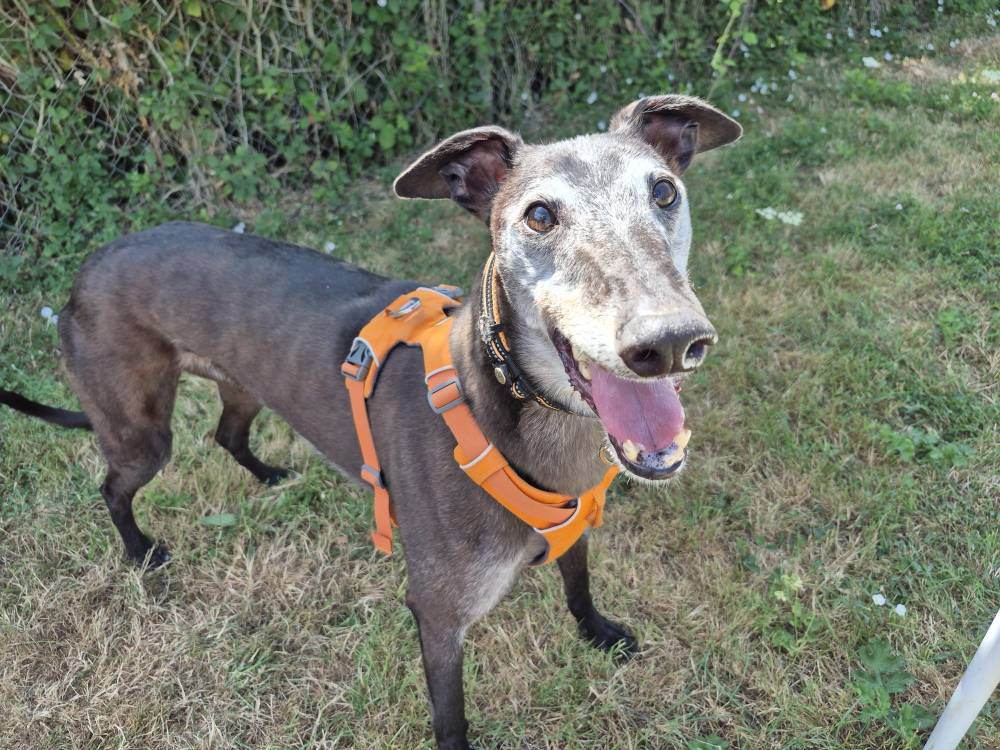
5 years • Male • Greyhound
1 year, 5 months • Male • German Shepherd Cross
5 years • Female • Italian Mastiff Cane Corso Cross
6 years • Male • Greyhound
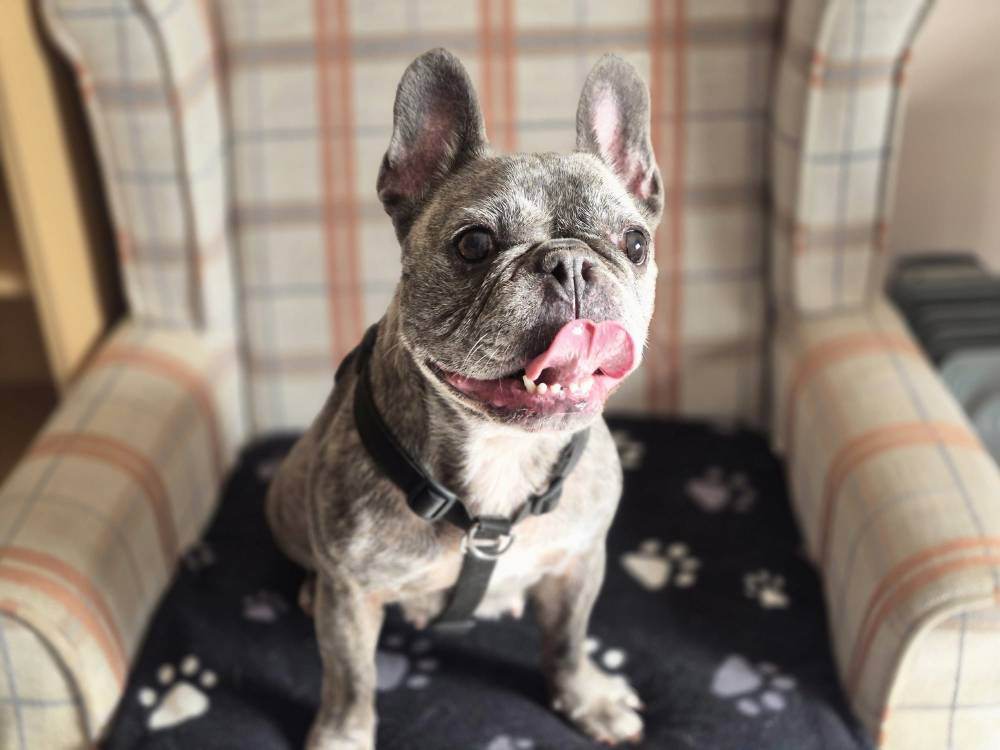
8 years • Female • French Bulldog
Breed labels on rescue listings are often a best guess, and every dog is an individual. Read the profile, then ask the rescue about the dog’s history, what they can live with and the home they need.
| Breed group | Terrier |
|---|---|
| Size | Small |
| Height (breed standard) | About 28 cm at the withers |
| Exercise | Up to 1 hour a day |
| Size of home | A flat is big enough |
| Grooming | More than once a week |
| Coat | Medium, double coat (sheds) |
| Lifespan | Over 12 years |
The West Highland White Terrier, or Westie, is a Scottish breed. The Royal Kennel Club sums it up as "small, active and full of self-esteem". It says the Malcolms of Poltalloch in Argyllshire developed a white strain of Cairn Terriers in the mid 19th century because white dogs were easier to see when working on the moors. Early names included the Poltalloch terrier and the Roseneath terrier, and the breed was recognised in 1907.
The breed standard describes the ideal temperament as alert, "courageous, self reliant but friendly". PDSA says Westies can be determined and strong-willed, like the sound of their own voice, and often suffer with separation anxiety if left alone, because they bond so strongly with their owners.
Dogs Trust adds that every Westie has its own personality, shaped by its own experiences. A rescue Westie is an individual, may be a cross, and may be older. The rescue will know how this particular dog behaves at home, on the lead and with visitors, so ask them.
The Royal Kennel Club lists the Westie as small and needing up to an hour of exercise a day. It says the breed can live in a flat, with a small or medium garden, in town or country.
Dogs Trust says Westies usually need daily walks but "might not manage tough exercise like long walks or mountain hikes". PDSA suggests splitting the hour into a couple of walks with plenty of sniffing, plus off-lead time in a secure area, and says a secure fence is a must because Westies will look for a way out.
The coat is medium length and sheds. The Royal Kennel Club says it needs grooming more than once a week. The breed standard describes a double coat: a harsh outer coat about 5 cm long over a short, soft undercoat.
Dogs Trust says the thick fur can get matted, so Westies usually need brushing a few times a week and a trim from a professional groomer around every 6 weeks.
The Royal Kennel Club says the West Highland White Terrier does not currently have any recommended pre-breeding health screening, though this may change as new evidence comes in. Its page notes the breed can be affected by conformational concerns (problems linked to body shape), and its Breed Watch asks show judges to look out for misplaced canine teeth and signs of dermatitis, hair loss or scarring. It lists the lifespan as over 12 years, and Dogs Trust says typically 12 or more.
PDSA lists conditions Westies may develop, including luxating kneecaps, dry eye, a lung condition known as Westie lung (idiopathic pulmonary fibrosis) and Legg-Perthes disease of the hip. It also says Westies are known to suffer from skin allergies.
A rescue dog's parents may not have been health tested, so ask the rescue what vet checks the dog has had and whether any condition is known. Your own vet is the right person to advise on anything you notice later.
PDSA describes Westies as affectionate and playful, and says they have quite a high prey drive, so it would not recommend keeping one with smaller pets, though a Westie that grew up with a cat will usually be fine with that cat. Whether a particular rescue Westie can live with children, cats or other dogs depends on the dog, not the breed. Go by the rescue's own assessment, which is often noted on the profile, and ask them if it is not.
A Westie's white coat takes work. Dogs Trust says it can get matted and needs a professional trim about every 6 weeks, and PDSA says Westies are known to suffer from skin allergies, so speak to your vet before buying a shampoo. The Royal Kennel Club's Breed Watch also lists signs of dermatitis among its points of concern for the breed.
PDSA adds that because Westies are always white, their ears can easily get sunburnt, so protect them in the sun. Ask the rescue whether this dog has any skin condition and what treatment or grooming routine it is used to.
Sources (checked 30 September 2026)
Breed descriptions are general. Every rescue animal is an individual, so the rescue's own assessment of the animal comes first.
Tap a question to expand
As of 8 November 2026, no Westies are listed for adoption in the UK on LocalPetFinder. Rescues add animals all the time, so this page fills as they list them.
Yes. The Royal Kennel Club says the Westie's medium length coat sheds and needs grooming more than once a week, and Dogs Trust describes moderate shedding.
Yes, according to The Royal Kennel Club, which lists a flat as a suitable size of home for the breed. It still needs up to an hour of exercise a day, so plan for daily walks. PDSA says Westies can bark and often struggle when left alone, which is worth thinking about with neighbours close by.
Dogs Trust says brushing a few times a week and a trim from a professional groomer around every 6 weeks. The Royal Kennel Club lists grooming as more than once a week.
They can. PDSA says Westies are known to suffer from skin allergies, and The Royal Kennel Club's Breed Watch lists signs of dermatitis among its points of concern for the breed. Ask the rescue whether this dog has any skin condition, and ask your vet about anything you notice.
Sometimes. PDSA says Westies have quite a high prey drive and would not recommend them with smaller pets, but says a Westie that has grown up with a cat will be fine with that cat. Check the dog's profile and ask the rescue.
The Royal Kennel Club gives the Westie's lifespan as over 12 years, and Dogs Trust says typically 12 or more.
We only list dogs with rescues, so there is nothing to buy here: every Westie on this page is adopted for the rescue's fee. If you decide to buy, The Royal Kennel Club runs a Find a Puppy service, and Dogs Trust suggests talking to your vet, and says some practices offer pre-purchase consultations covering likely health conditions, rough costs, finding a responsible breeder and testing for inheritable diseases. With an adult rescue Westie, the rescue can tell you about its skin, coat and personality.
Each rescue sets its own adoption fee. Battersea charges £230 for a dog over six months and £275 for a puppy under six months, Dogs Trust charges £300 for a puppy or adult dog in England, Wales and Scotland, and Blue Cross fees start from £235 for dogs aged 8 or over and £335 for dogs aged 1 to 7. The fee usually covers neutering, microchipping and first vaccinations, and each rescue confirms its own fee.
No. We don't list animals for sale. Every Westie on this page is with a rescue or rehoming centre. Rescues rehome animals rather than selling them, usually for an adoption fee: for example, Battersea charges £230 for a dog over six months and £275 for a puppy under six months, and Dogs Trust £300. The fee usually goes towards vet work already done, such as neutering, microchipping and first vaccinations. If you searched "westie puppies for sale", the Westies here are the rescue route: you apply to the rescue and pay its adoption fee, not a sale price.
Usually not. UK rescues normally ask for an adoption fee, which pays towards neutering, microchipping and vaccinations. Many rescue fees are under £500: Battersea charges £230 for a dog over six months, Dogs Trust £300, and Blue Cross from £235 for dogs aged 8 or over. An animal offered "free to a good home" is usually a private advert rather than a rescue. All dogs in the UK must be microchipped by 8 weeks old, and in England, Wales and Scotland a dog can't pass to a new keeper until it is chipped, so ask to see the microchip details.
Not right now: no Westies are listed in the UK today, so there are no puppies either. Puppies do get listed, and rescues can tell you much more about an adult's character, so check back.
This page lists every Westie with the rescues we list across the UK, each with its town. For a city, see Westies in Belfast, Birmingham, Bournemouth, Christchurch and Poole, Brighton and Hove, Bristol, Canterbury, Cardiff, Carlisle, Dumfries and Galloway, Edinburgh, Exeter, Glasgow, Ipswich, Kendal, Kingston upon Hull, Leeds, Lincoln, Liverpool, London, Manchester, Middlesbrough, Newcastle upon Tyne, Northampton, Norwich, Nottingham, Oxford, Peterborough, Plymouth, Portsmouth, Preston, Sheffield, Stoke-on-Trent, Swansea, Truro and Worcester. You can also search by postcode with the pet finder on our home page to see what is closest to you.
Need to rehome your Westie? Read our Westie rehoming guide →
Not sure which breed suits you? Take our dog breed quiz →