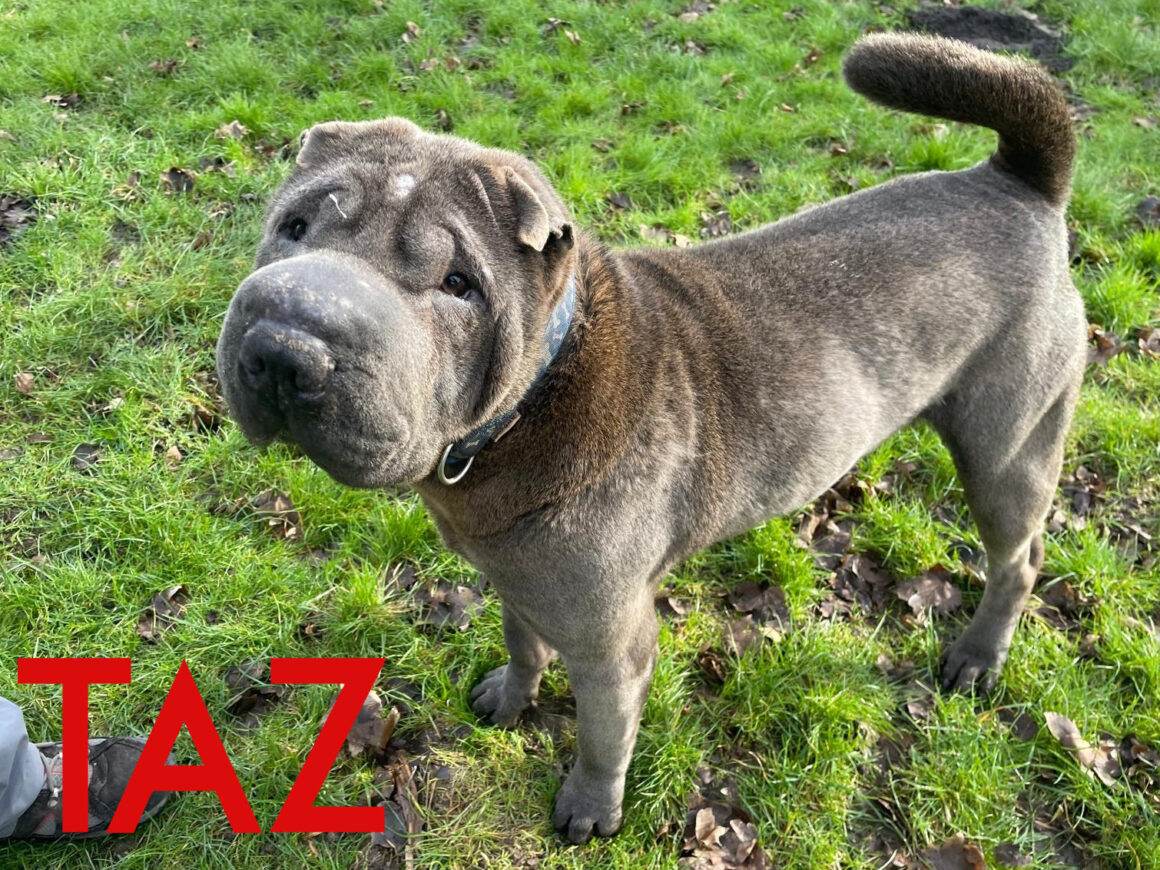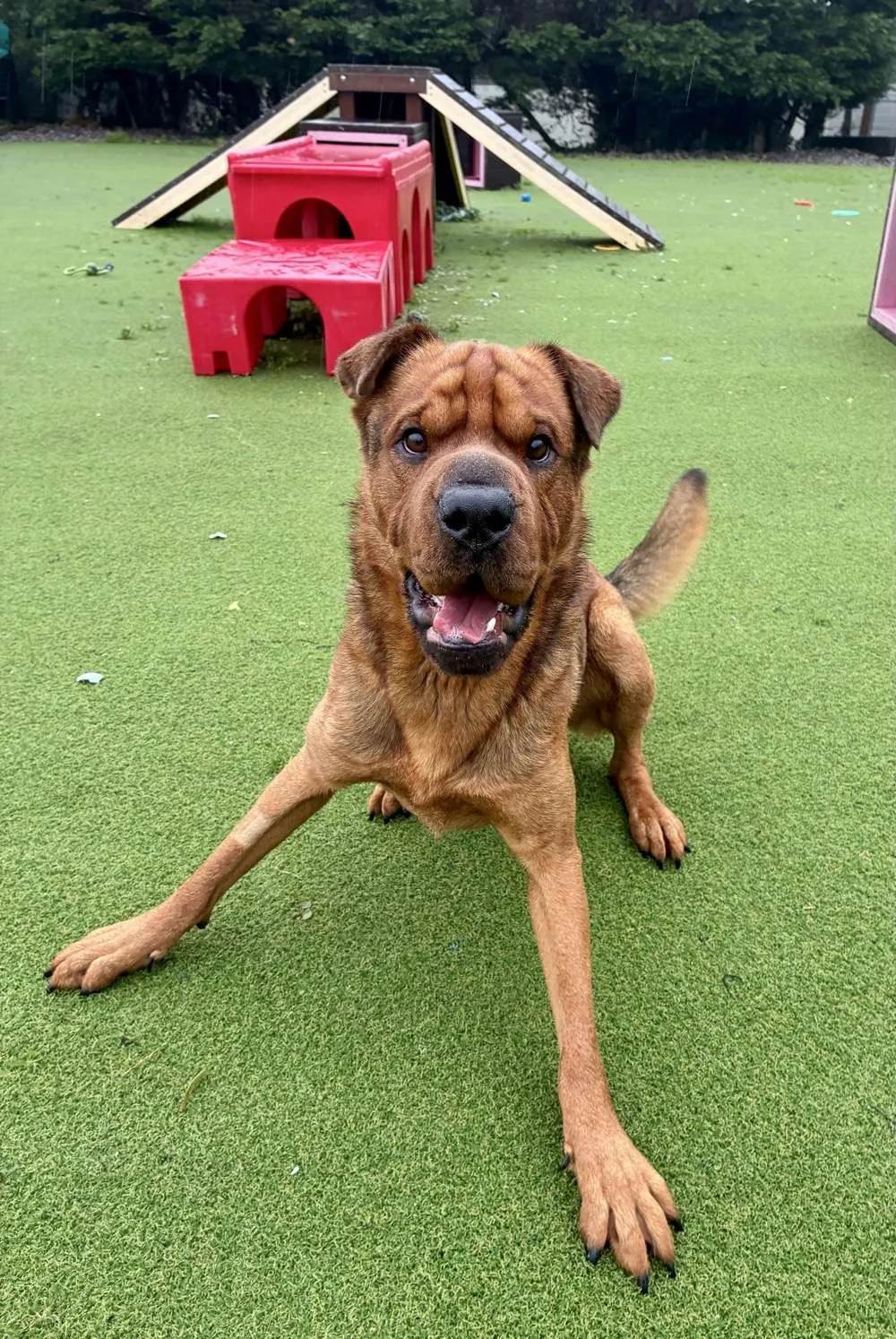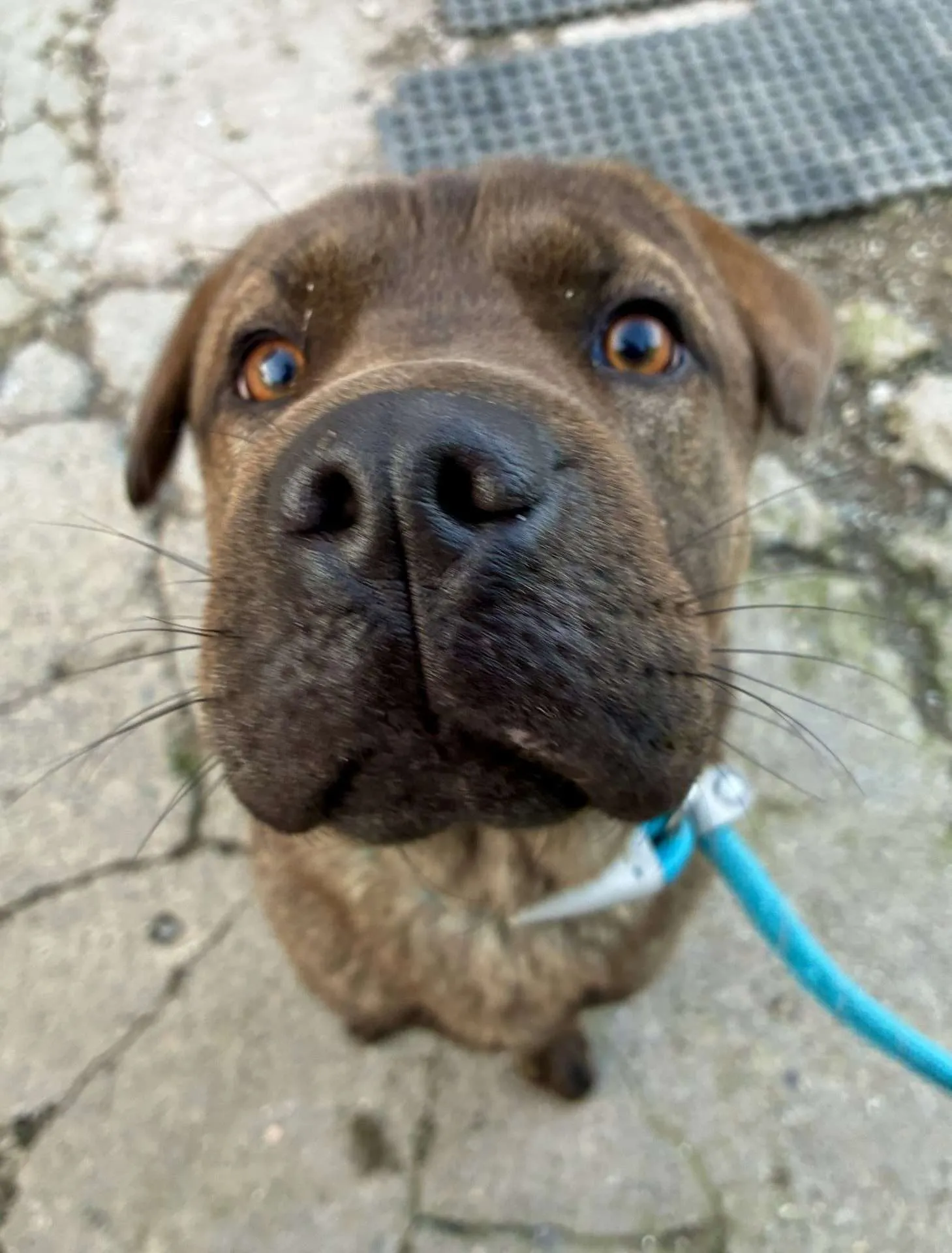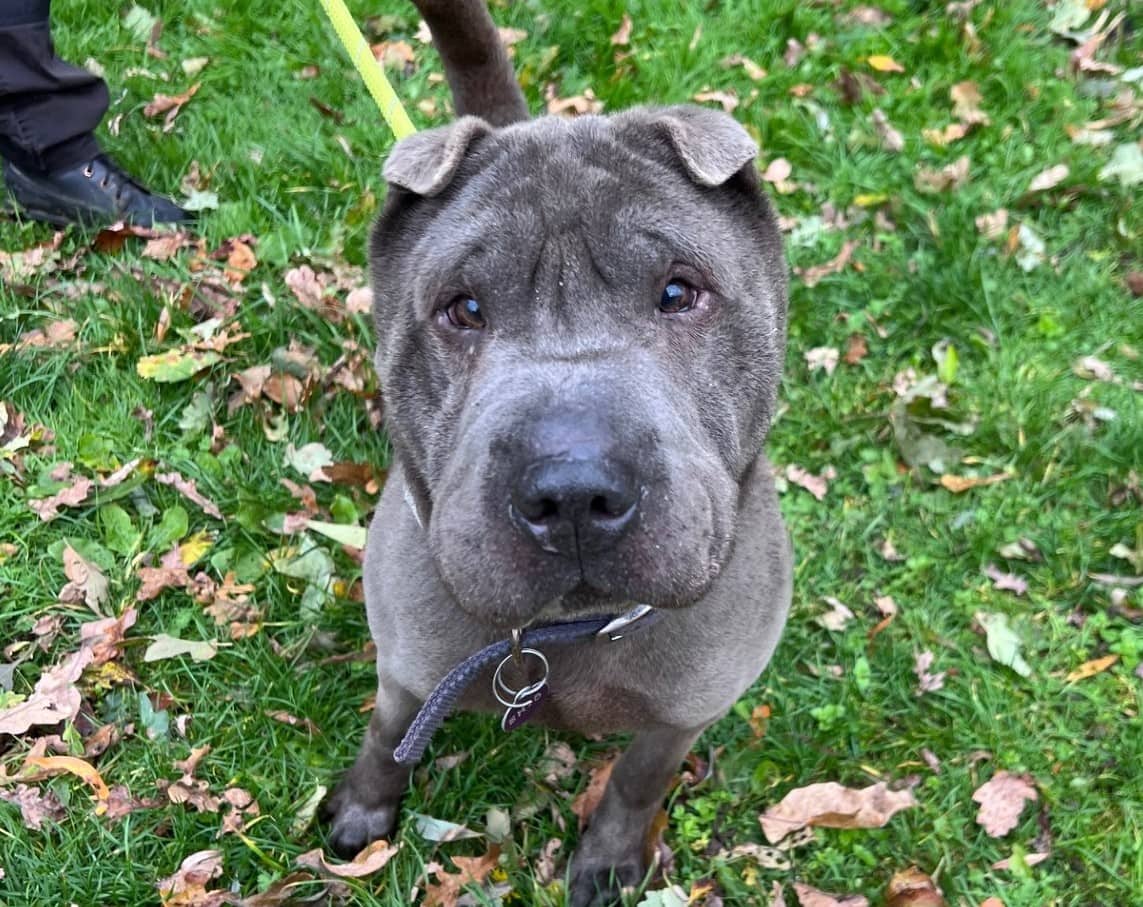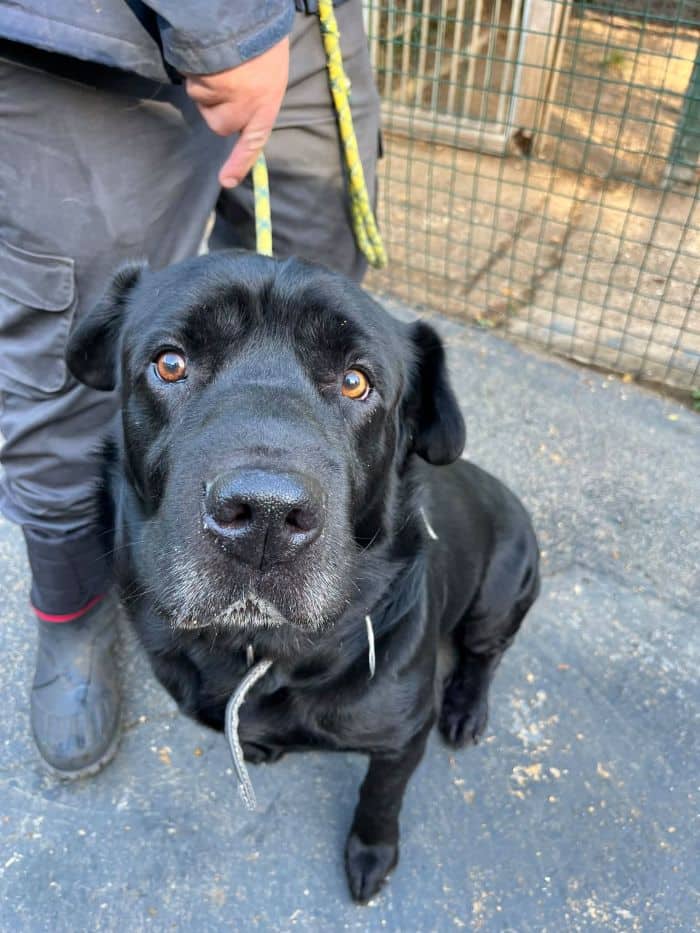
Lucy
9 years • Female • Shar Pei
Mediumlow energy
Can live with:ChildrenCats
Margaret Green Animal Rescue (Wingletang)· Lydford
Meet Lucy →Shar Peis and Shar Pei crosses looking for new homes with rescues and rehoming centres across the UK, gathered in one place. Adult Shar Peis are usually medium dogs, though crosses can vary.
11 listed across the UK from 9 rescues
Showing 11 dogs
Never miss new Shar Peis
Be first to know when new Shar Peis are listed across the UK. No spam, unsubscribe any time.
9 years • Female • Shar Pei
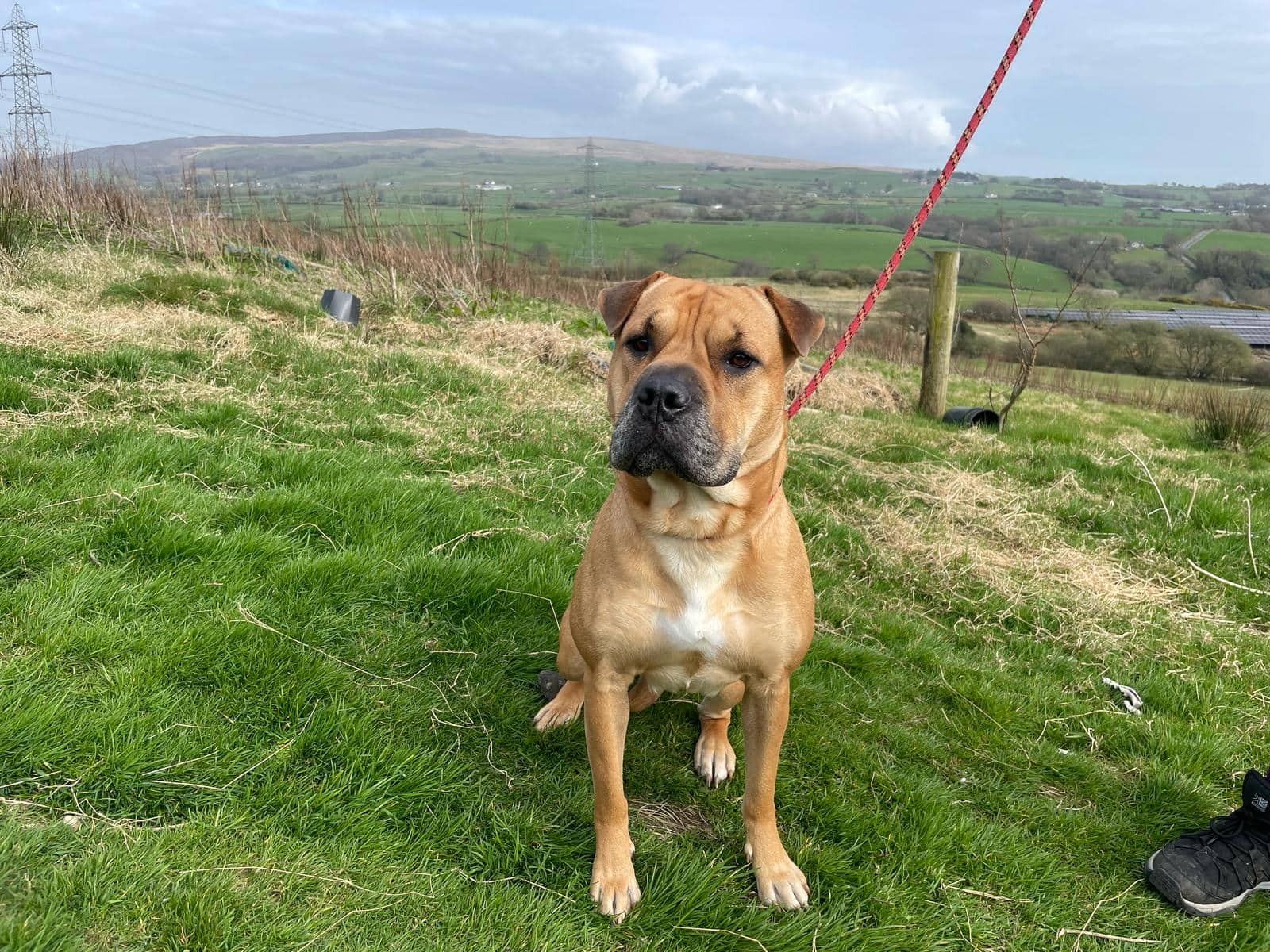
10 years • Male • Shar Pei
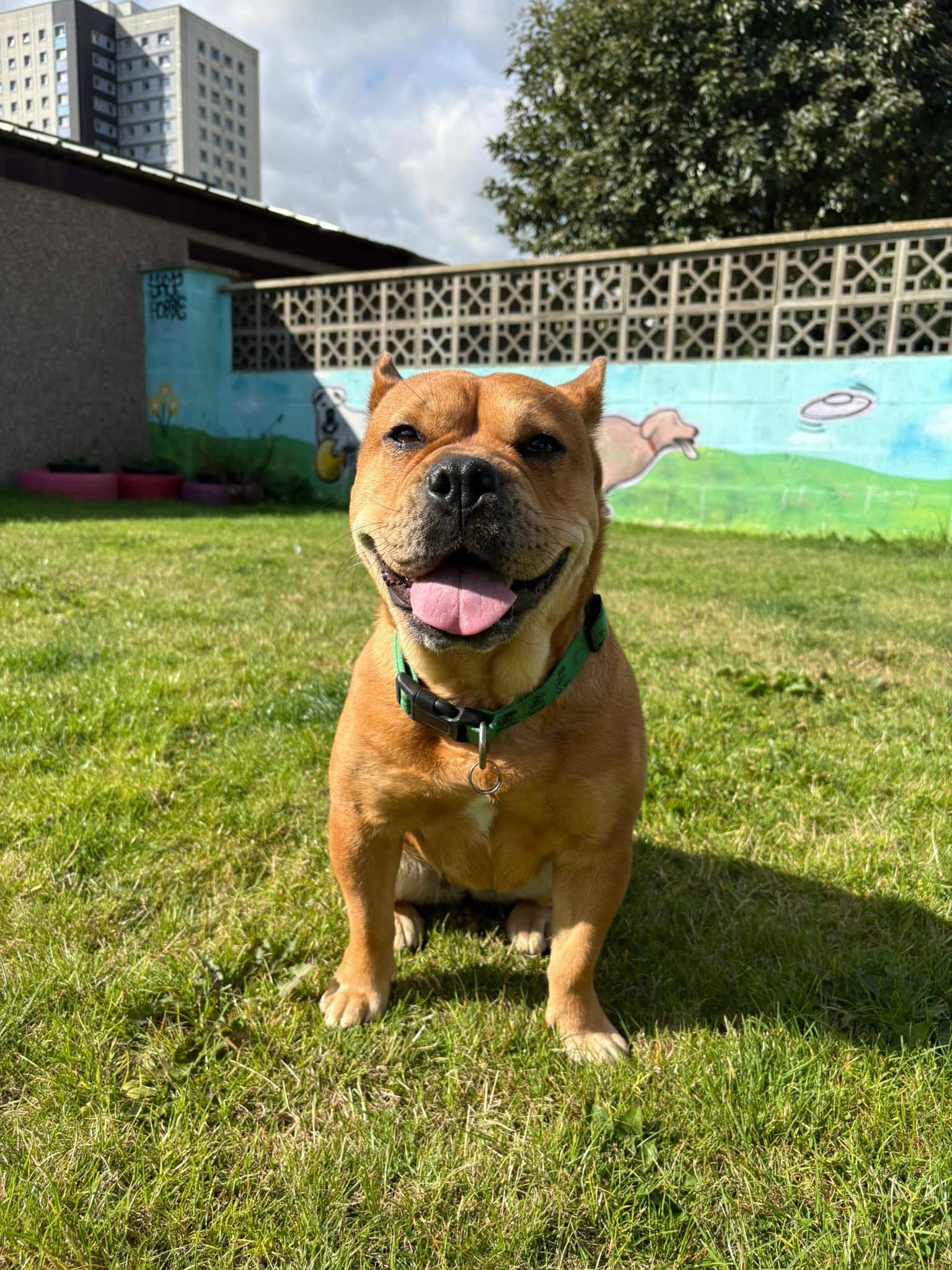
3 years • Male • Sharpei Cross
3 years • Male • Sharpei x Malinois
5 years, 10 months • Male • Shar Pei
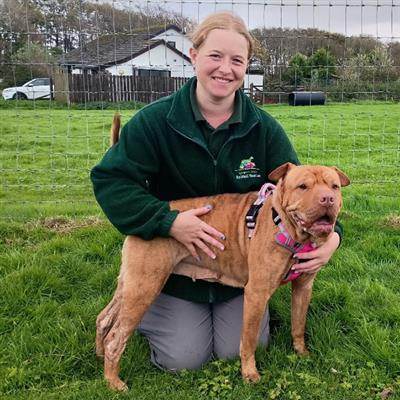
4 years • Female • Shar Pei
2 years • Female • Shar Pei / Frenchie Cross
5 years • Female • Shar Pei Cross
List your dog for free. Your dog stays at home until you find the right family, every listing is checked by a person, and you choose who adopts. Not sure yet? Read the rehoming guide first.
List your dog for free →11 shar peis are listed across the UK today, with 9 rescues. By age: 8 adult dogs and 3 older dogs. 6 are male and 4 female. The newest was added on 11 November 2026.
Breed labels on rescue listings are often a best guess, and every dog is an individual. Read the profile, then ask the rescue about the dog’s history, what they can live with and the home they need.
| Breed group | Utility |
|---|---|
| Size | Medium |
| Height (breed standard) | 46 to 51 cm at the withers |
| Exercise | Up to 1 hour a day |
| Size of home | Small house with a small or medium garden |
| Grooming | Once a week |
| Coat | Short (sheds) |
| Lifespan | Over 10 years |
The Shar Pei is a Chinese breed known for its loose, wrinkled skin and bristly coat. The Royal Kennel Club says the name translates as "harsh sandy coat" or "sand paper skin", that the breed probably shares some ancestry with the Chow Chow, and that it was developed as a hunter and a fighting dog. It says the breed was almost wiped out in the 20th century before a revival.
The breed standard describes the ideal temperament as "calm, independent, very affectionate, and devoted to people". PDSA says Shar Peis can be strong-willed and independent, have a natural guarding instinct, and can be wary of unfamiliar people and dogs, so they tend to do best with experienced owners used to the breed.
That history and those descriptions do not tell you about one dog. A rescue Shar Pei is an individual and may be a cross. The rescue knows how this particular dog behaves at home, on the lead and with other dogs, so ask them.
The Royal Kennel Club lists the Shar Pei as medium sized and needing up to an hour of exercise a day. It suggests a small house with a small or medium garden, in town or country.
PDSA says a Shar Pei needs a minimum of an hour of exercise a day, split into a couple of walks, plus training, play and time in the garden. It says Shar Peis may test your fences if they are bored, so the garden needs to be secure.
The coat is short and needs grooming about once a week, though it does shed. PDSA says the fur has "an almost prickly feel" but is fairly low-maintenance to brush.
The skin needs more attention than the coat. PDSA says skin folds need to be kept clean and dry to stop skin fold dermatitis, and that you should regularly check the ears. The breed standard says the coat is never trimmed.
The Royal Kennel Club asks Shar Pei breeders to have eyes tested. Its best practice list adds a DNA test for primary open angle glaucoma and primary lens luxation (POAG/PLL) and hip and elbow scoring for dysplasia. It lists the breed's lifespan as over 10 years.
It also says modern breeders have addressed the problem of excessive wrinkle and eye problems in the breed. Its Breed Watch asks show judges to look out for eyelids turned inwards or outwards, dermatitis in skin folds, and the lower lip folding over the lower front teeth ("tight lip").
PDSA lists conditions Shar Peis may develop, including skin fold infections, eyelid problems such as entropion, ear infections from small ear canals, itchy skin from allergies, BOAS (brachycephalic obstructive airway syndrome) and Familial Shar Pei Fever, which causes a high temperature and painful swollen joints. It says to get veterinary advice straight away if your Shar Pei shows any unusual symptoms.
A rescue dog's parents may not have been health tested, so ask the rescue what vet checks the dog has had and whether any condition is known. Your own vet is the right person to advise on anything you notice later.
As of 14 November 2026, 11 Shar Peis are listed with rescues in the UK on LocalPetFinder: by their listed age, 8 adults and 3 aged 7 or over.
7 of them are listed as a cross, as the rescue describes it: Cross Shar-Pei, Jap Akita x Shar Pei Cross and Labrador x Sharpei and others. Breed labels on rescue listings are often a best guess from looks.
The rescues mark 6 as able to live with children, 1 with cats and 2 with other dogs. Where a profile says nothing, it doesn't mean no: ask the rescue.
PDSA says Shar Peis can get along well with older children given the right socialisation, but would not recommend one for a home with younger children. It says they have a really high prey drive and would not recommend keeping one with smaller pets. Whether a particular rescue Shar Pei can live with children, cats or other dogs depends on the dog, not the breed. Go by the rescue's own assessment, which is often noted on the profile, and ask what kind of home they think suits it.
The wrinkles are the breed's most obvious feature and the main thing to care for. The breed standard says adult dogs should show moderate wrinkling over the shoulders and base of the tail, and that excessive skin on the body when mature is "highly undesirable". PDSA suggests cleaning skin folds with a damp cotton wool pad and drying them thoroughly afterwards.
Ask the rescue whether this dog has had any eyelid surgery, skin or ear treatment, or episodes of fever, and what ongoing care it needs. Your vet can advise on anything you notice once the dog is home.
Sources (checked 30 September 2026)
Breed descriptions are general. Every rescue animal is an individual, so the rescue's own assessment of the animal comes first.
Tap a question to expand
As of 14 November 2026, 11 Shar Peis are listed for adoption in the UK on LocalPetFinder, from Manchester & Cheshire Dogs' Home, North Clwyd Animal Rescue, Birmingham Dogs Home, Margaret Green Animal Rescue (Wingletang), Mrs Murray's Home for Stray Dogs & Cats, Rescue Remedies, Staffie & Stray Rescue, Three Counties Dog Rescue and Wolfwood. Each profile links to the rescue, and you apply to adopt with them directly.
As of 14 November 2026, Manchester & Cheshire Dogs' Home (at Warrington): 2, North Clwyd Animal Rescue (at Trelogan): 2, Birmingham Dogs Home (at Birmingham): 1, Margaret Green Animal Rescue (Wingletang) (at Lydford): 1, Mrs Murray's Home for Stray Dogs & Cats (at Aberdeen): 1 and Rescue Remedies (at Smallfield): 1, and 3 more. By age, that is 8 adult dogs and 3 older dogs. The newest was added on 11 November 2026. Each profile links to the rescue, which handles the adoption.
With the rescue that has the dog. Today the Shar Peis on this page are with Manchester & Cheshire Dogs' Home, North Clwyd Animal Rescue, Birmingham Dogs Home, Margaret Green Animal Rescue (Wingletang), Mrs Murray's Home for Stray Dogs & Cats, Rescue Remedies and 3 other rescues. Open a profile and apply to that rescue: each one runs its own application, home check and adoption fee. We don't rehome animals ourselves.
The name translates as "harsh sandy coat" or "sand paper skin", according to The Royal Kennel Club. It refers to the breed's bristly coat, which sits over loose, wrinkled skin.
Up to an hour a day, according to The Royal Kennel Club, which lists the breed as medium sized and suited to a small house with a small or medium garden. PDSA says a minimum of an hour, split into a couple of walks, plus training and play.
Yes. PDSA says the skin folds need to be kept clean and dry to prevent skin fold dermatitis, and the ears checked regularly. The coat itself only needs a weekly brush, according to The Royal Kennel Club.
PDSA describes Familial Shar Pei Fever as a disorder that causes a high temperature, painful swollen joints, a swollen face and other symptoms such as vomiting and diarrhoea, and says to get veterinary advice straight away if your Shar Pei shows any unusual symptoms. Ask the rescue whether this dog has had any episodes.
PDSA says Shar Peis are better suited to experienced owners familiar with the breed, because they are independent and can be strong-willed. Some rescue Shar Peis may suit a less experienced home, so ask the rescue what they are looking for.
PDSA says Shar Peis have a really high prey drive and would not recommend keeping one with smaller pets. Some individual dogs do live with cats, so check the dog's profile and ask the rescue.
We only list dogs with rescues, so there is nothing to buy here: every Shar Pei on this page is adopted for the rescue's fee. If you decide to buy, The Royal Kennel Club runs a Find a Puppy service, and PDSA says to make sure both parents have had the relevant health screening and that the puppy gets the right early socialisation. With an adult rescue Shar Pei, the rescue can tell you about its skin, eyes and temperament before you commit.
It depends on the dog, not the breed. Today the rescues mark 6 of the 11 Shar Peis listed in the UK as able to live with children. Where a profile says nothing, ask the rescue what age of children the dog could live with.
Each rescue sets its own adoption fee. Battersea charges £230 for a dog over six months and £275 for a puppy under six months, Dogs Trust charges £300 for a puppy or adult dog in England, Wales and Scotland, and Blue Cross fees start from £235 for dogs aged 8 or over and £335 for dogs aged 1 to 7. The fee usually covers neutering, microchipping and first vaccinations, and each rescue confirms its own fee.
No. We don't list animals for sale. Every Shar Pei on this page is with a rescue or rehoming centre. Rescues rehome animals rather than selling them, usually for an adoption fee: for example, Battersea charges £230 for a dog over six months and £275 for a puppy under six months, and Dogs Trust £300. The fee usually goes towards vet work already done, such as neutering, microchipping and first vaccinations. If you searched "shar pei puppies for sale", the Shar Peis here are the rescue route: you apply to the rescue and pay its adoption fee, not a sale price.
Usually not. UK rescues normally ask for an adoption fee, which pays towards neutering, microchipping and vaccinations. Many rescue fees are under £500: Battersea charges £230 for a dog over six months, Dogs Trust £300, and Blue Cross from £235 for dogs aged 8 or over. An animal offered "free to a good home" is usually a private advert rather than a rescue. All dogs in the UK must be microchipped by 8 weeks old, and in England, Wales and Scotland a dog can't pass to a new keeper until it is chipped, so ask to see the microchip details.
Not right now: none of the 11 Shar Peis listed in the UK is under a year old by its listed age. Puppies do get listed, so check back or look at the adults, whose rescues can tell you much more about their character.
Yes: 3 Shar Peis of the 11 listed in the UK are aged 7 or over by the listed age. Some rescues charge less for older dogs: Blue Cross fees start from £235 for dogs aged 8 or over.
This page lists every Shar Pei with the rescues we list across the UK, each with its town. For a city, see Shar Peis in Aberdeen, Belfast, Birmingham, Bournemouth, Christchurch and Poole, Brecon, Brighton and Hove, Bristol, Cambridge, Canterbury, Cardiff, Carlisle, Dumfries and Galloway, Edinburgh, Exeter, Glasgow, Ipswich, Kendal, Kingston upon Hull, Leeds, Lincoln, Liverpool, London, Manchester, Middlesbrough, Newcastle upon Tyne, North Wales, Northampton, Norwich, Nottingham, Oxford, Perth, Peterborough, Plymouth, Portsmouth, Preston, Sheffield, Shrewsbury, Stoke-on-Trent, Swansea, Taunton, Truro and Worcester. You can also search by postcode with the pet finder on our home page to see what is closest to you.
Need to rehome your Shar Pei? Read our Shar Pei rehoming guide →
Not sure which breed suits you? Take our dog breed quiz →