Pomeranian rescue dogs and puppies for adoption and rehoming in the UK
Pomeranians and Pomeranian crosses looking for new homes with rescues and rehoming centres across the UK, gathered in one place. Adult Pomeranians are usually small dogs, though crosses can vary.
23 listed across the UK from 16 rescues
1 Pomeranian puppy available in the UK
Twelve months old or under, listed by rescues and rehoming centres. Each one links to the rescue to apply.
Showing 23 dogs
Never miss new Pomeranians
Be first to know when new Pomeranians are listed across the UK. No spam, unsubscribe any time.

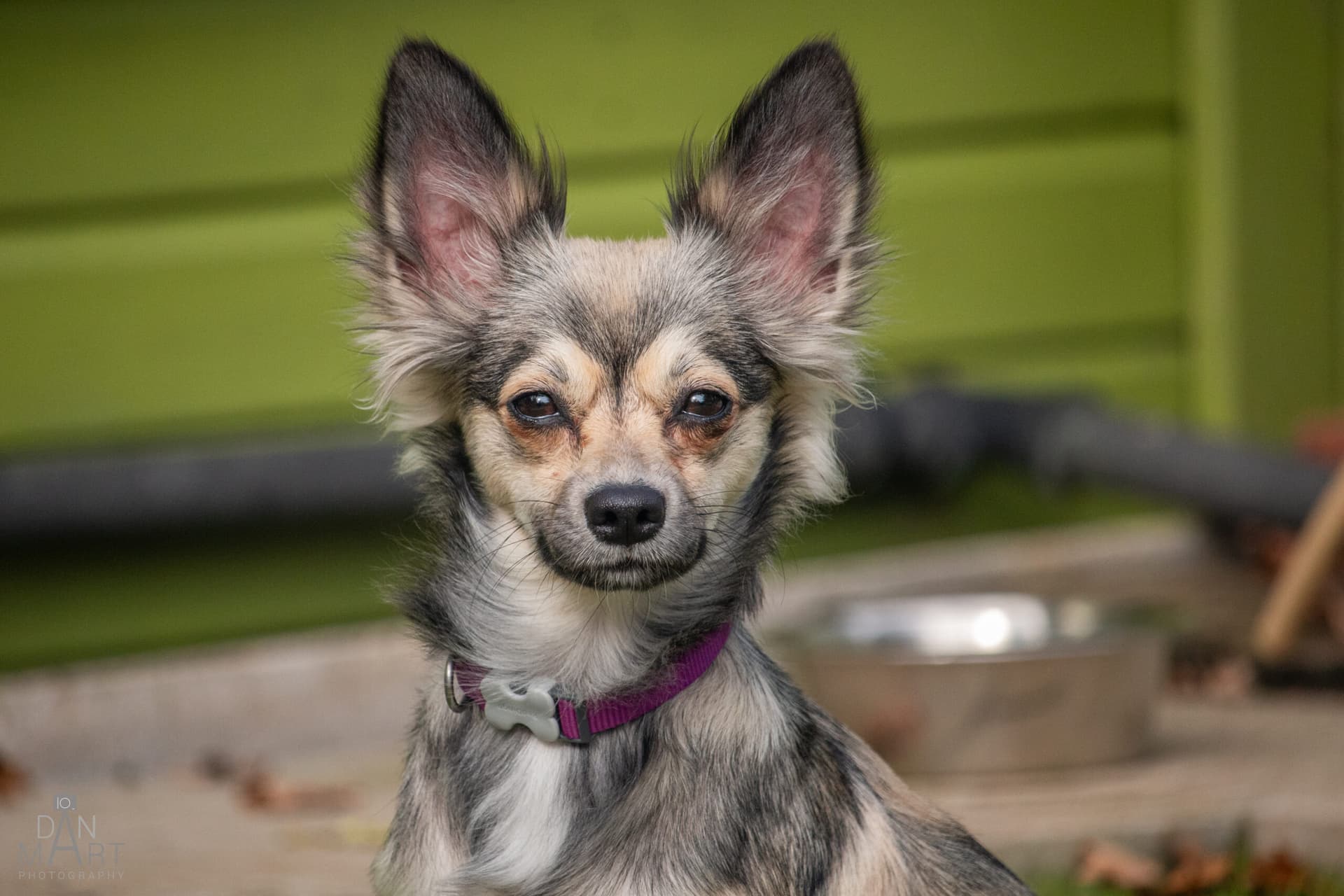
Pablo
5 years • Male • Pomeranian
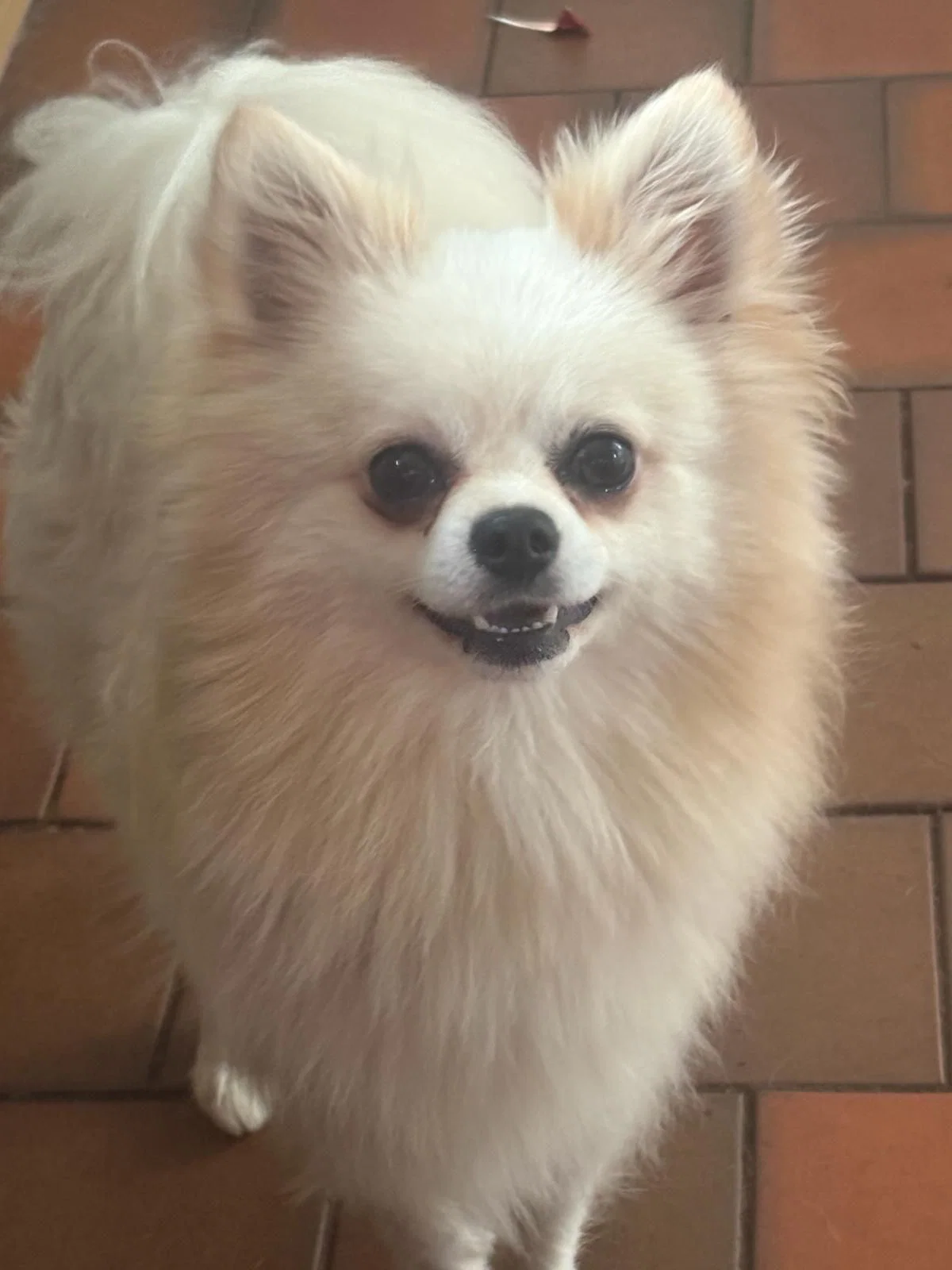
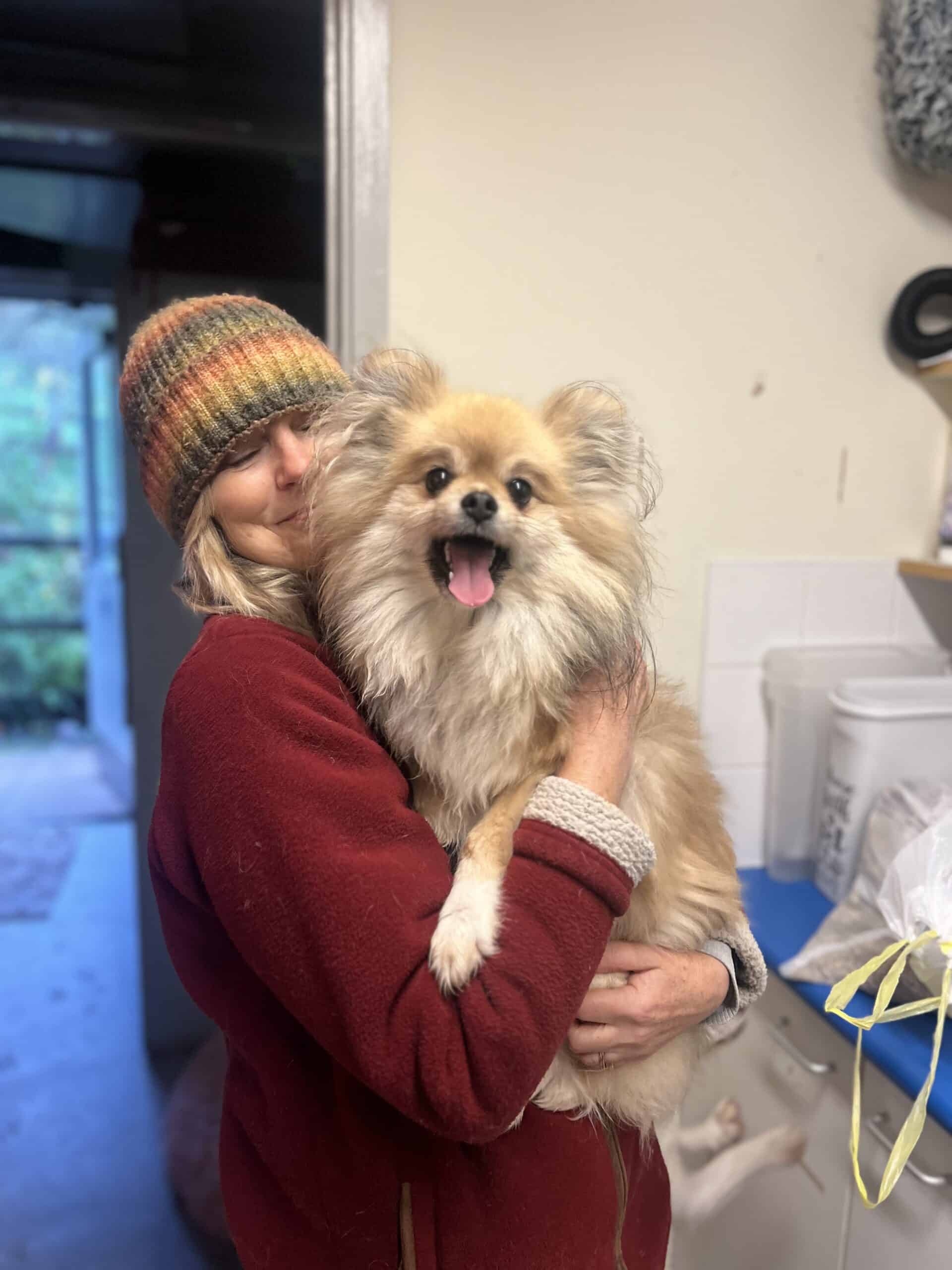
Pip
2 years • Male • Pomeranian

Stormzy
7 years • Male • Pomeranian x Maltese
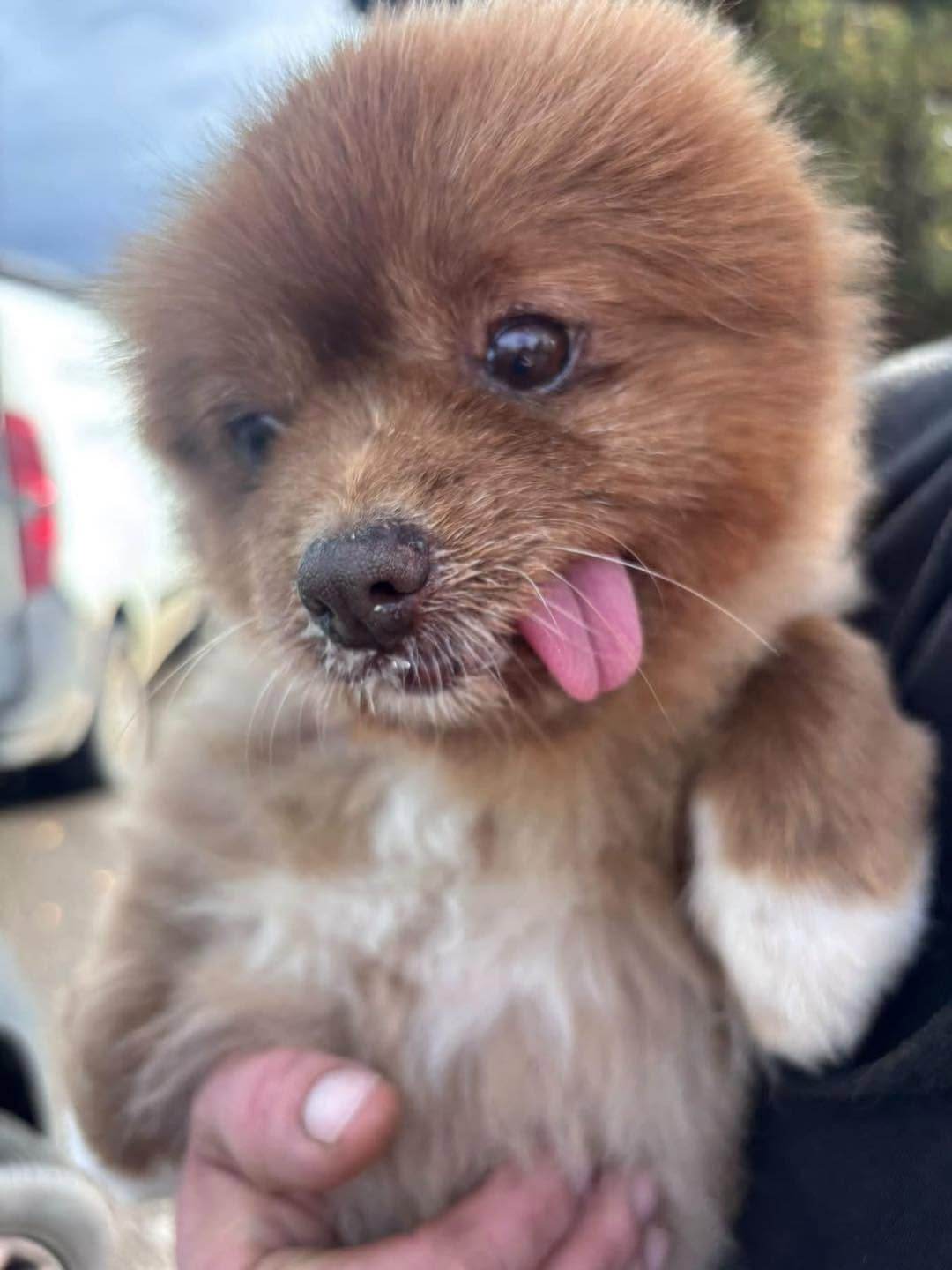
Bloss
7 years • Female • Pomeranian
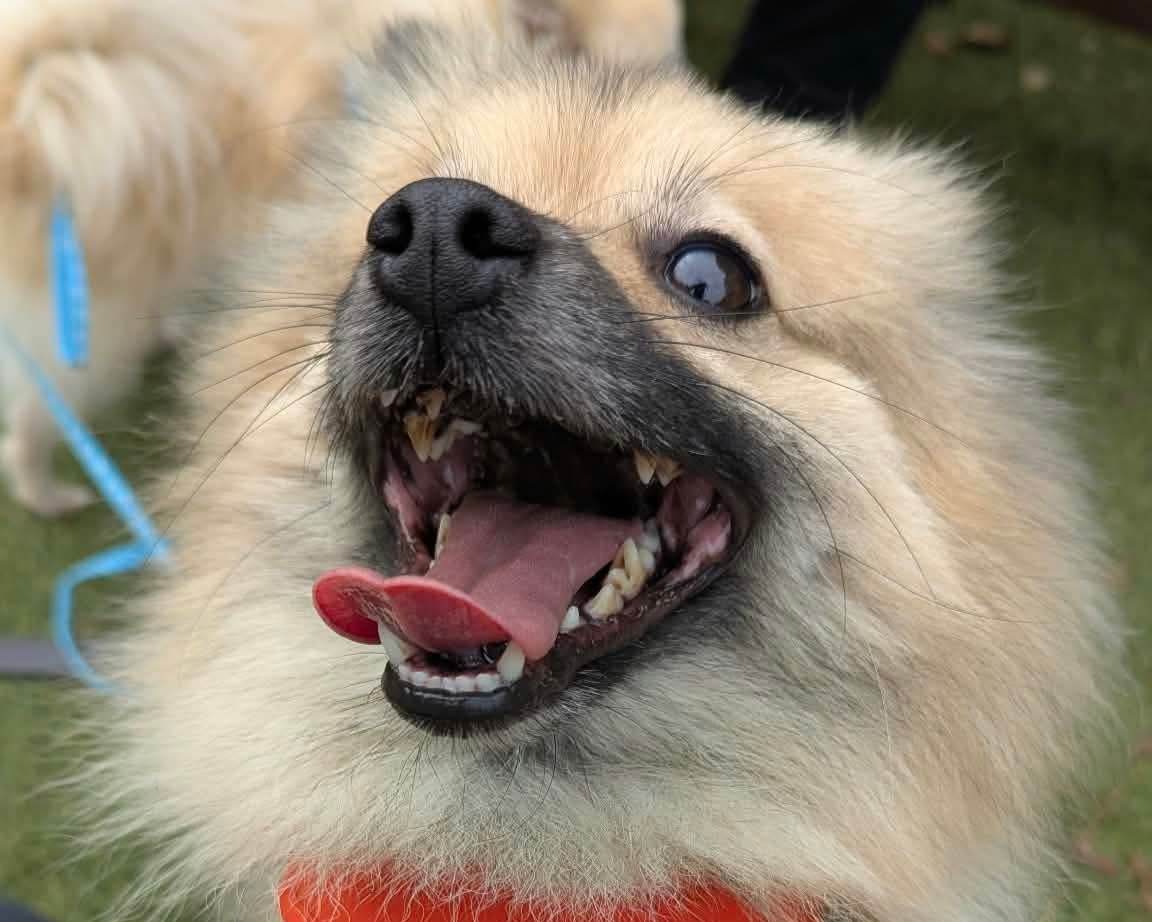
Gus and Tyson
3 years • Male • Pomeranian

Flipper
11 years • Female • Pomeranian

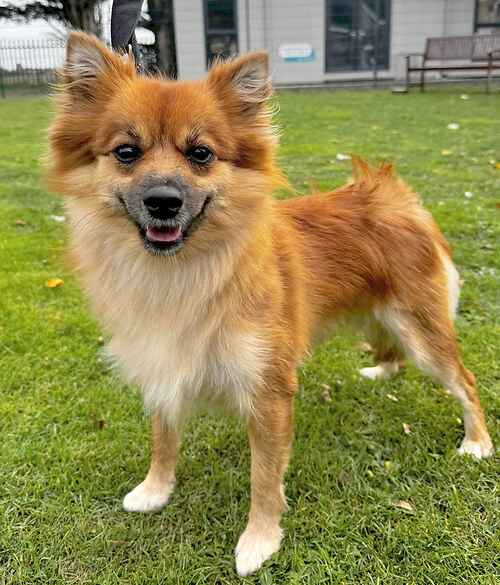
Channa
2 years • Female • Pom x Spitz
Need to rehome a Pomeranian?
List your dog for free. Your dog stays at home until you find the right family, every listing is checked by a person, and you choose who adopts. Not sure yet? Read the rehoming guide first.
List your dog for free →Pomeranians across the UK right now
23 pomeranians are listed across the UK today, with 16 rescues. By age: 1 puppy, 15 adult dogs and 6 older dogs, plus 1 with no age given. 14 are male and 9 female. The newest was added on 10 November 2026.
- Many Tears Animal Rescue at Llanelli: 3 pomeranians
- All Dogs Matter at Waltham Abbey: 2 pomeranians
- Cheltenham Animal Shelter at Cheltenham: 2 pomeranians
- Foal Farm Animal Rescue at London: 2 pomeranians
- West Wales Poundies Dog Rescue at Llandeilo: 2 pomeranians
- Woodside Animal Welfare Trust at Plymouth: 2 pomeranians
- Aireworth Dogs in Need at Keighley: 1 pomeranian
- Ashbourne Animal Welfare at Ashbourne: 1 pomeranian
- and 8 more rescues
Breed labels on rescue listings are often a best guess, and every dog is an individual. Read the profile, then ask the rescue about the dog’s history, what they can live with and the home they need.
About Pomeranians
| Breed group | Toy |
|---|---|
| Size | Small |
| Weight (breed standard) | Ideal 1.8 to 2 kg for dogs, 2 to 2.5 kg for bitches |
| Exercise | Up to 30 minutes a day |
| Size of home | A flat is big enough |
| Grooming | More than once a week |
| Coat | Medium (sheds); a soft undercoat and a long outer coat |
| Lifespan | Over 12 years |
What Pomeranians are like to live with
The Royal Kennel Club calls the Pomeranian "the smallest spitz and a favourite of Queen Victoria". It says the breed was bred down from the German Spitz, was first seen in the UK in 1870, and became popular thanks to royal patronage, "its dainty appearance and extrovert character". The breed standard describes the temperament as "extrovert, lively and intelligent".
PDSA describes Pomeranians as "lively, curious and very playful", and says training takes patience but can be done with reward-based methods. Dogs Trust describes them as typically less active dogs, and adds the point that matters most with a rescue dog: every Pomeranian has its own personality, shaped by its own experiences.
That describes the breed, not one dog. A rescue Pomeranian is an individual and may be a cross. The rescue knows how this particular dog behaves at home, on the lead and with visitors, so ask them.
Size and exercise
The Royal Kennel Club lists the Pomeranian as small and needing up to 30 minutes of exercise a day, and PDSA says around half an hour. The Royal Kennel Club lists a flat as a suitable size of home, with a small or medium garden, in town or country.
Dogs Trust says Pomeranians need regular exercise and stimulation but "might not manage long or strenuous walks or mountain hikes". They still need daily walks, time to explore and play, training and daily enrichment, and if you enjoy regular relaxing strolls the breed could suit you.
Grooming
The breed standard describes two coats: a soft, fluffy undercoat and a long, harsh outer coat that forms a frill around the neck and shoulders. Dogs Trust says that because of this thick, dense fur Pomeranians need brushing two or three times a week and are likely to need regular professional grooming. PDSA says to brush more often when they are shedding.
Dogs Trust suggests introducing grooming slowly and with rewards, one step at a time, so the dog learns to relax while being handled.
Health
Dogs Trust describes Pomeranians as brachycephalic, meaning a short nose, a flat face or both, and says they can struggle with health issues related to that body shape. The Royal Kennel Club asks Pomeranian breeders to have eyes tested, and says the breed can be affected by conformational concerns (problems linked to body shape). Its Breed Watch asks show judges to check that in mature dogs, over 12 months, the fontanelle is fully closed.
PDSA lists health problems Pomeranians can be prone to, including luxating patellas (kneecaps that slip out of place), progressive retinal atrophy, Chiari malformation and syringomyelia (CM/SM, a painful neurological condition), hydrocephalus, tracheal collapse (which can make breathing difficult) and cataracts. It notes that the Pomeranian is one of the breeds The Royal Kennel Club classes as "Category Two" for points of concern.
On lifespan, The Royal Kennel Club says over 12 years and Dogs Trust says typically 12 or more. A rescue dog's parents may not have been health tested, so ask the rescue what vet checks the dog has had and whether anything is known about its breathing, knees or eyes. Your own vet is the right person to advise on anything you notice later.
Pomeranians listed in the UK today
As of 14 November 2026, 23 Pomeranians are listed with rescues in the UK on LocalPetFinder: by their listed age, 1 puppy aged 12 months or under, 15 adults and 6 aged 7 or over. The rest have no age we can read, so check the profile.
7 of them are listed as a cross, as the rescue describes it: Pomeranian x Chihuahua (2), Pom x Spitz and Pomeranian Cross Terrier and others. Breed labels on rescue listings are often a best guess from looks.
The rescues mark 8 as able to live with children, 3 with cats and 12 with other dogs. Where a profile says nothing, it doesn't mean no: ask the rescue.
Children, cats and other dogs
Dogs Trust says every dog has its own personality shaped by its experiences, so some will like meeting other dogs and new people and some will not. Whether a particular rescue Pomeranian can live with children, cats or other dogs depends on the dog, not the breed. Go by the rescue's own assessment, which is often noted on the profile, and ask what kind of home they think suits it.
Ask the rescue what age of children they think this dog would be happy with. Dogs Trust runs family workshops on living happily together with a dog, for children aged 7 to 11.
Pomeranians and hot weather
Dogs Trust says Pomeranians are at higher risk of heat stroke. PDSA's heatstroke advice names the Pomeranian among the brachycephalic (flat-faced) breeds most affected, explaining that flat-faced dogs struggle to lose heat through the nose and are at very high risk, "even on cool days".
PDSA suggests walking a flat-faced dog on a harness rather than a collar, so there is less pressure on the throat and it is easier for the dog to pant and cool down. It also advises walking in the early morning or evening rather than the hottest part of the day. Ask your vet or the rescue how to keep this dog safe.
Sources (checked 30 September 2026)
- The Royal Kennel Club: Pomeranian
- The Royal Kennel Club: Pomeranian breed standard
- The Royal Kennel Club: Breed Watch, Pomeranian
- Dogs Trust: Pomeranian
- PDSA: Pomeranian
- PDSA: Heatstroke in dogs
Breed descriptions are general. Every rescue animal is an individual, so the rescue's own assessment of the animal comes first.
Pomeranians in the UK: your questions
Tap a question to expand
How many rescue Pomeranians are available for adoption in the UK?
As of 14 November 2026, 23 Pomeranians are listed for adoption in the UK on LocalPetFinder, from Many Tears Animal Rescue, All Dogs Matter, Cheltenham Animal Shelter, Foal Farm Animal Rescue, West Wales Poundies Dog Rescue, Woodside Animal Welfare Trust, Aireworth Dogs in Need, Ashbourne Animal Welfare, Friends Of Rescue NI, Hairy Hounz, Hull Animal Welfare Trust, Last Chance Animal Rescue, Midlands Dog Rescue, Rotherham Dog Rescue, Rushton Dog Rescue and Three Counties Dog Rescue. Each profile links to the rescue, and you apply to adopt with them directly.
Which rescues across the UK have Pomeranians right now, and how old are they?
As of 14 November 2026, Many Tears Animal Rescue (at Llanelli): 3, All Dogs Matter (at Waltham Abbey): 2, Cheltenham Animal Shelter (at Cheltenham): 2, Foal Farm Animal Rescue (at London): 2, West Wales Poundies Dog Rescue (at Llandeilo): 2 and Woodside Animal Welfare Trust (at Plymouth): 2, and 10 more. By age, that is 1 puppy, 15 adult dogs and 6 older dogs, plus 1 with no age given. The newest was added on 10 November 2026. Each profile links to the rescue, which handles the adoption.
Where can I adopt a Pomeranian in the UK?
With the rescue that has the dog. Today the Pomeranians on this page are with Many Tears Animal Rescue, All Dogs Matter, Cheltenham Animal Shelter, Foal Farm Animal Rescue, West Wales Poundies Dog Rescue, Woodside Animal Welfare Trust and 10 other rescues. Open a profile and apply to that rescue: each one runs its own application, home check and adoption fee. We don't rehome animals ourselves.
Can a Pomeranian live in a flat?
Yes, the breed can. The Royal Kennel Club lists a flat as a suitable size of home for a Pomeranian, which needs up to 30 minutes of exercise a day. Ask the rescue whether this particular dog would be happy in a flat.
Do Pomeranians shed?
Yes. The Royal Kennel Club says the Pomeranian sheds and suggests grooming its medium-length coat more than once a week. Dogs Trust says two or three times a week, plus regular professional grooming, and PDSA says more often when shedding.
How much exercise does a Pomeranian need?
Up to 30 minutes a day, according to The Royal Kennel Club, or around half an hour according to PDSA. Dogs Trust says they need daily walks, play and enrichment but might not manage long or strenuous walks.
Do Pomeranians cope with hot weather?
They need care in the heat. Dogs Trust says Pomeranians are at higher risk of heat stroke and describes them as brachycephalic, and PDSA's heatstroke advice names them among the flat-faced breeds most affected. Walk in the cool of the day and ask your vet for advice.
How big is a Pomeranian?
Very small. The breed standard gives an ideal weight of 1.8 to 2 kg for dogs and 2 to 2.5 kg for bitches. With an adult rescue Pomeranian, you know its size already.
How long do Pomeranians live?
The Royal Kennel Club gives the breed's lifespan as over 12 years, and Dogs Trust says typically 12 or more. That can mean a long commitment, which is one reason older Pomeranians are worth a look too.
What health problems should I ask about for a rescue Pomeranian?
PDSA lists luxating patellas, eye conditions, tracheal collapse and CM/SM among the problems the breed can be prone to, and Dogs Trust says Pomeranians are brachycephalic. Ask the rescue what vet checks this dog has had, and what insurance it might need.
Where can I buy a Pomeranian, and should I?
We only list dogs with rescues, so there is nothing to buy here: every Pomeranian on this page is adopted for the rescue's fee. If you decide to buy, The Royal Kennel Club runs a Find a Puppy service, and Dogs Trust suggests talking to your vet, and says some practices offer pre-purchase consultations covering likely health conditions, rough costs, finding a responsible breeder and testing for inheritable diseases. With an adult rescue Pomeranian you know its size, and the rescue can tell you about its personality and vet history.
Are Pomeranians good with children?
It depends on the dog, not the breed. Today the rescues mark 8 of the 23 Pomeranians listed in the UK as able to live with children. Where a profile says nothing, ask the rescue what age of children the dog could live with.
How much does it cost to adopt a Pomeranian in the UK?
Each rescue sets its own adoption fee. Battersea charges £230 for a dog over six months and £275 for a puppy under six months, Dogs Trust charges £300 for a puppy or adult dog in England, Wales and Scotland, and Blue Cross fees start from £235 for dogs aged 8 or over and £335 for dogs aged 1 to 7. The fee usually covers neutering, microchipping and first vaccinations, and each rescue confirms its own fee.
Are there Pomeranian puppies for sale in the UK?
No. We don't list animals for sale. Every Pomeranian on this page is with a rescue or rehoming centre. Rescues rehome animals rather than selling them, usually for an adoption fee: for example, Battersea charges £230 for a dog over six months and £275 for a puppy under six months, and Dogs Trust £300. The fee usually goes towards vet work already done, such as neutering, microchipping and first vaccinations. If you searched "pomeranian puppies for sale", the Pomeranians here are the rescue route: you apply to the rescue and pay its adoption fee, not a sale price.
Can I get a free Pomeranian to a good home in the UK, or one under £500?
Usually not. UK rescues normally ask for an adoption fee, which pays towards neutering, microchipping and vaccinations. Many rescue fees are under £500: Battersea charges £230 for a dog over six months, Dogs Trust £300, and Blue Cross from £235 for dogs aged 8 or over. An animal offered "free to a good home" is usually a private advert rather than a rescue. All dogs in the UK must be microchipped by 8 weeks old, and in England, Wales and Scotland a dog can't pass to a new keeper until it is chipped, so ask to see the microchip details.
Are there Pomeranian puppies for adoption in the UK?
Yes: 1 puppy of the 23 listed in the UK is 12 months or under by the listed age.
Are there older Pomeranians for adoption in the UK?
Yes: 6 Pomeranians of the 23 listed in the UK are aged 7 or over by the listed age. Some rescues charge less for older dogs: Blue Cross fees start from £235 for dogs aged 8 or over.
Is there a Pomeranian rescue near me?
This page lists every Pomeranian with the rescues we list across the UK, each with its town. For a city, see Pomeranians in Aberdeen, Belfast, Birmingham, Bournemouth, Christchurch and Poole, Brecon, Brighton and Hove, Bristol, Cambridge, Canterbury, Cardiff, Carlisle, Dumfries and Galloway, Edinburgh, Exeter, Glasgow, Ipswich, Kendal, Kingston upon Hull, Leeds, Lincoln, Liverpool, London, Manchester, Middlesbrough, Newcastle upon Tyne, North Wales, Northampton, Norwich, Nottingham, Oxford, Perth, Peterborough, Plymouth, Portsmouth, Preston, Sheffield, Shrewsbury, Stoke-on-Trent, Swansea, Taunton, Truro and Worcester. You can also search by postcode with the pet finder on our home page to see what is closest to you.
Need to rehome your Pomeranian? Read our Pomeranian rehoming guide →
Pomeranians in England, Scotland, Wales and Northern Ireland
Pomeranians adoption guides by city
Pomeranians by city
Browse more breeds
Not sure which breed suits you? Take our dog breed quiz →