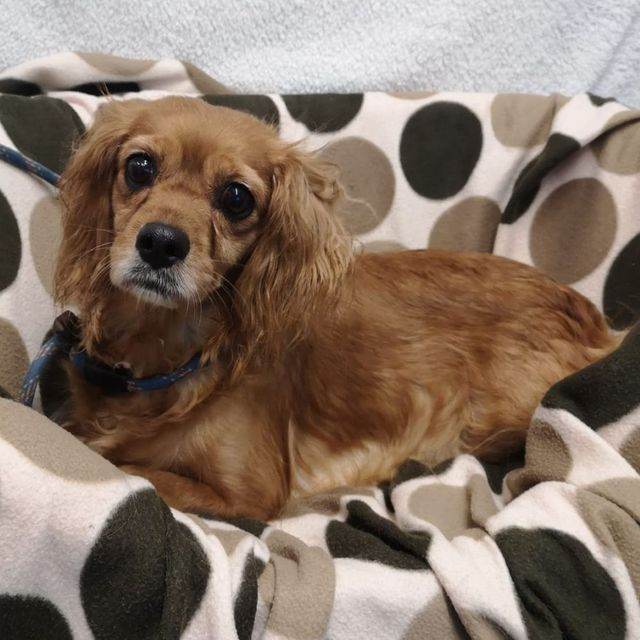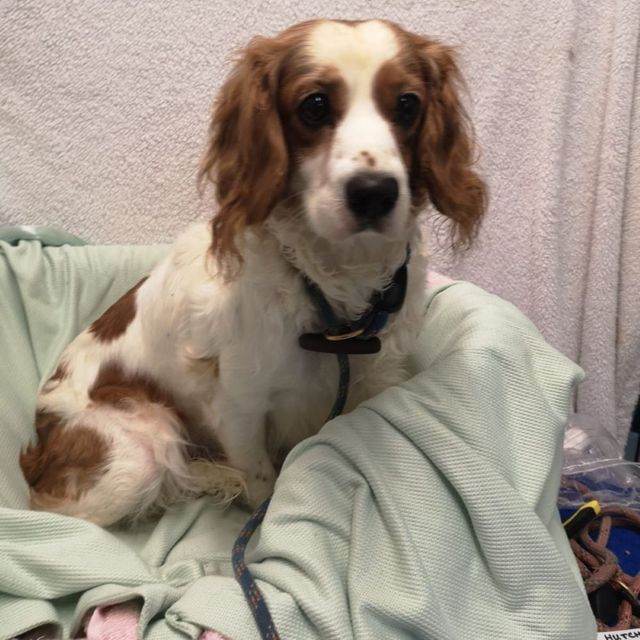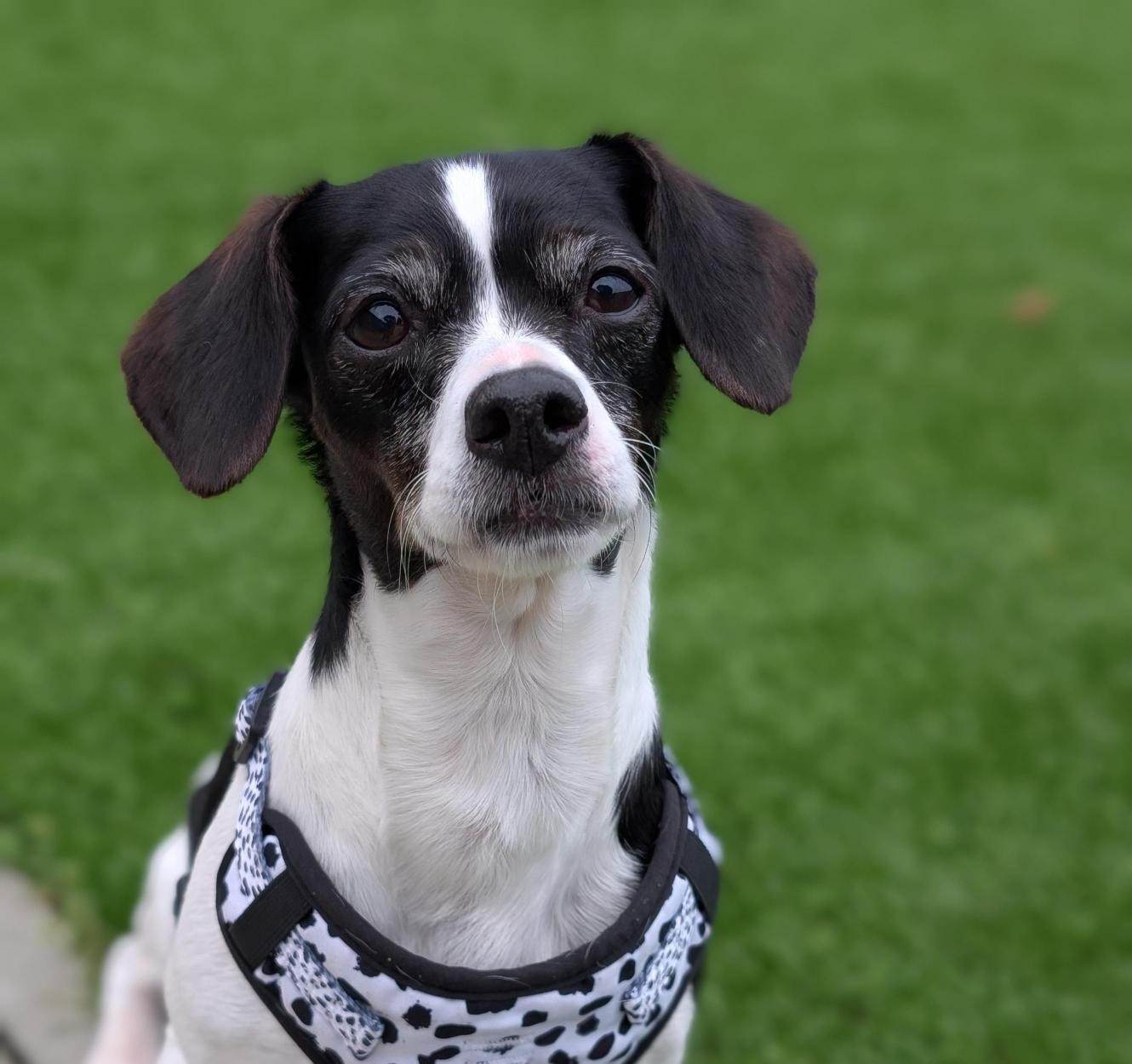
Roxy
12 years • Female • Cavalier Spaniel Cross Jack Russell
Smalllow energy
Can live with:ChildrenOther dogs
Edinburgh Dog and Cat Home· Edinburgh
Meet Roxy →Cavalier King Charles Spaniels and Cavalier King Charles Spaniel crosses looking for new homes with rescues and rehoming centres across the UK, gathered in one place. Adult Cavalier King Charles Spaniels are usually small dogs, though crosses can vary.
14 listed across the UK from 5 rescues
Twelve months old or under, listed by rescues and rehoming centres. Each one links to the rescue to apply.
Showing 14 dogs
Never miss new Cavalier King Charles Spaniels
Be first to know when new Cavalier King Charles Spaniels are listed across the UK. No spam, unsubscribe any time.
12 years • Female • Cavalier Spaniel Cross Jack Russell
6 years • Female • Cavalier King Charles Spaniel
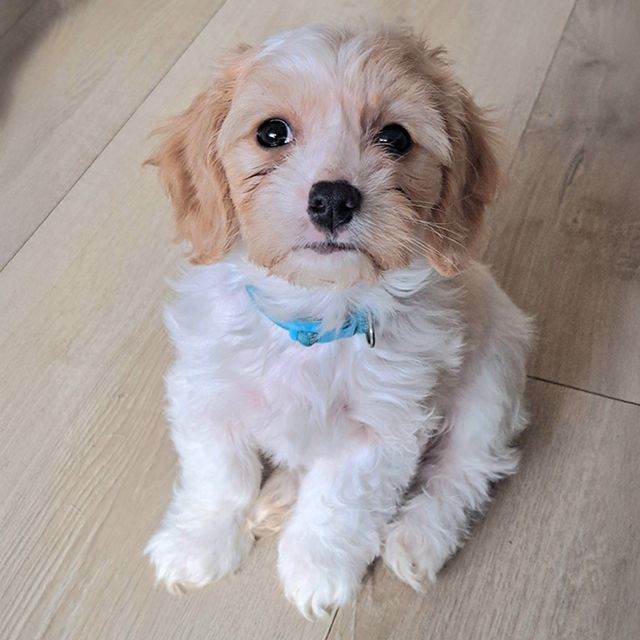
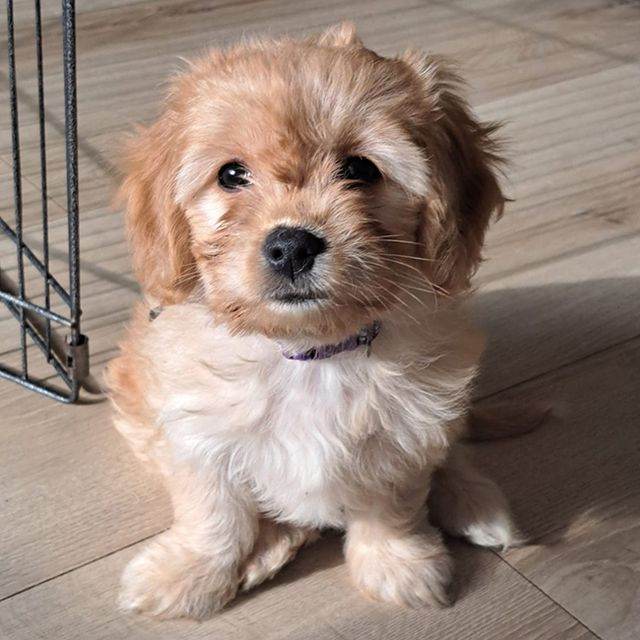
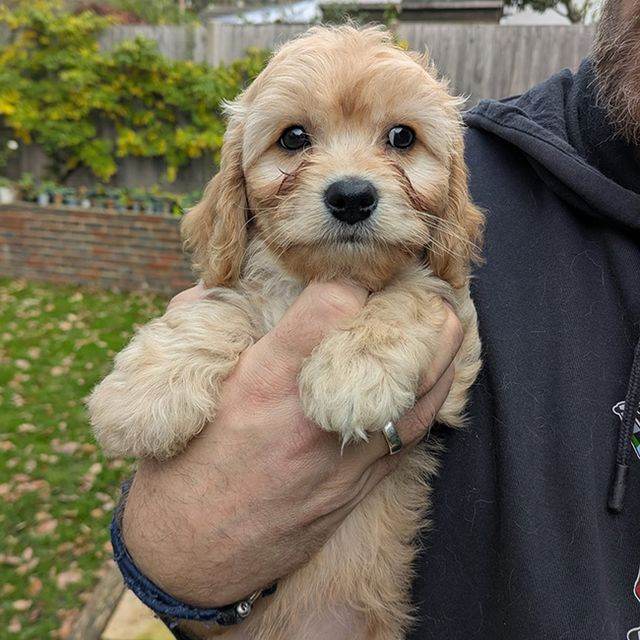
8 weeks • Male • Cavachon
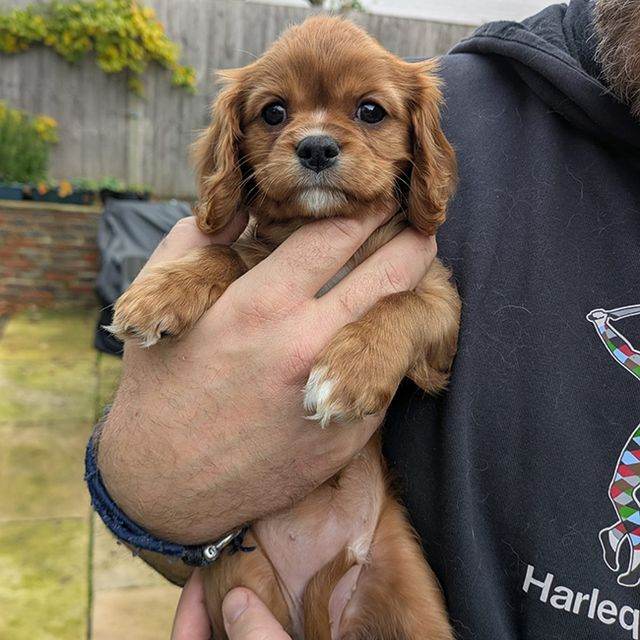
8 weeks • Female • Cavalier King Charles Spaniel
8 weeks • Female • Cavachon
5 years • Female • Cavalier King Charles Spaniel Cross
8 weeks • Male • Cavachon
8 weeks • Female • Cavalier King Charles Spaniel
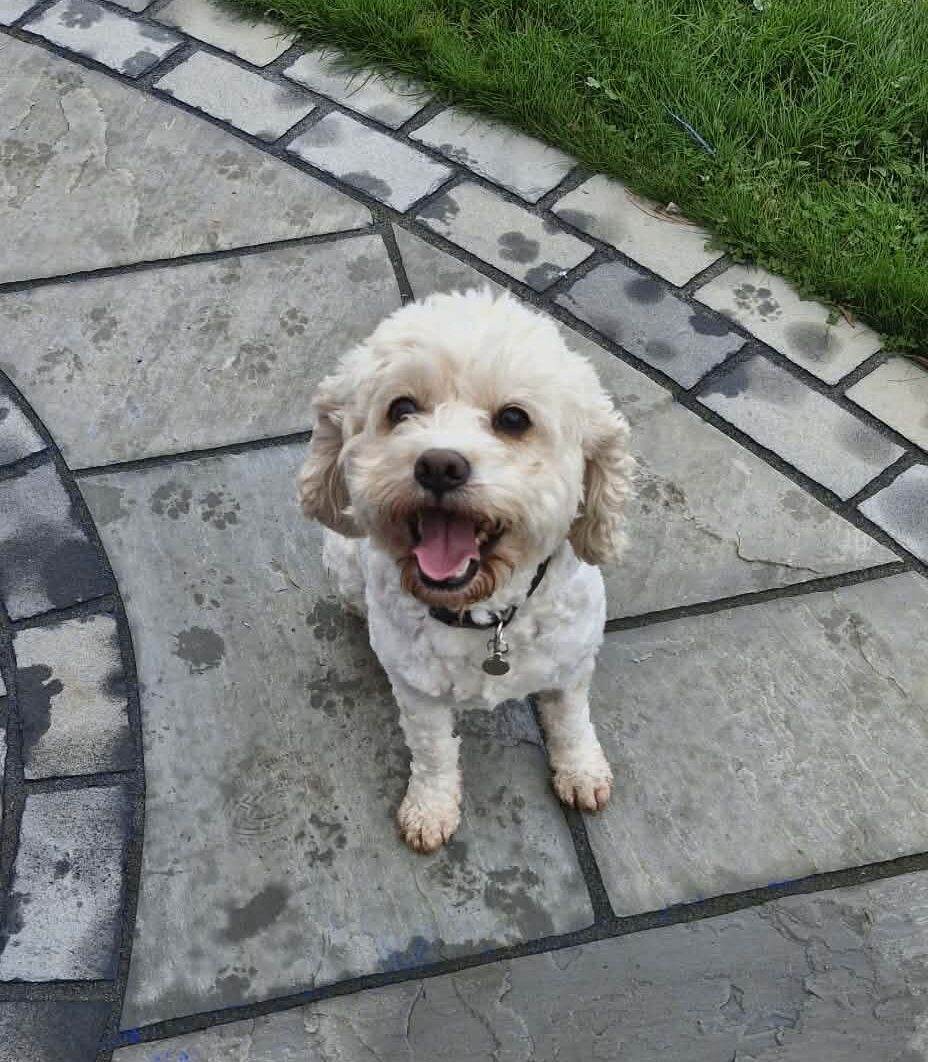
5 years • Female • Cavachon
List your dog for free. Your dog stays at home until you find the right family, every listing is checked by a person, and you choose who adopts. Not sure yet? Read the rehoming guide first.
List your dog for free →14 cavalier king charles spaniels are listed across the UK today, with 5 rescues. By age: 5 puppies, 5 adult dogs and 4 older dogs. 5 are male and 9 female. The newest was added on 12 November 2026.
Breed labels on rescue listings are often a best guess, and every dog is an individual. Read the profile, then ask the rescue about the dog’s history, what they can live with and the home they need.
| Breed group | Toy |
|---|---|
| Size | Small |
| Weight (breed standard) | 5.4 to 8.2 kg |
| Exercise | Up to 1 hour a day |
| Size of home | A flat is big enough |
| Grooming | More than once a week |
| Coat | Medium, long and silky (sheds) |
| Lifespan | Over 12 years |
The Cavalier King Charles Spaniel is a toy spaniel. The Royal Kennel Club describes it as a "sporting, affectionate and fearless toy spaniel". It says special prizes were given at Crufts from 1926 to 1930 for Blenheim spaniels "of the old type", with a longer muzzle and flatter skull, and the name "Cavalier" was chosen to set this type apart, and that the Cavalier was recognised as a separate breed in 1945.
The breed standard asks for a temperament that is "gay, friendly, non aggressive", with "no tendency to nervousness". Dogs Trust adds the point that matters most with a rescue dog: every Cavalier is an individual with its own personality and prior experiences, so some will like meeting other dogs and some will not, and some will need to take new experiences slowly.
That is the breed on paper. A rescue Cavalier is an individual, may be a cross, and may be older. The rescue will know how this particular dog behaves at home, on the lead and with visitors, so ask them.
The Royal Kennel Club lists the Cavalier as small and needing up to an hour of exercise a day. It says the breed can live in a flat, with a small or medium garden, in town or country.
Dogs Trust says Cavaliers usually need daily walks but "might not manage tough exercise like long walks or mountain hikes", and that if you enjoy regular relaxing strolls the breed could be a great match. They still need time to explore and play, training and daily enrichment. Dogs Trust also says Cavaliers are at higher risk of heat stroke, so take care on warm days.
The coat is medium length and sheds, and The Royal Kennel Club says it needs grooming more than once a week. The breed standard describes it as "long, silky, free from curl", with plenty of feathering, in four colours: black and tan, ruby, Blenheim (chestnut and white) and tricolour.
Dogs Trust says you will generally need to brush a Cavalier most days to prevent matting, with extra grooming in autumn and spring when they shed more, and that Cavaliers are likely to need professional grooming too. It lists shedding as heavy.
The Royal Kennel Club asks Cavalier breeders to have their dogs' hearts screened for mitral valve disease (MVD) under its heart scheme for the breed, and to DNA test for curly coat/dry eye (CC/DE) and episodic falling (EF). Its best practice list adds eye testing. The Royal Kennel Club names three main health issues currently screened for in Cavaliers: mitral valve disease, syringomyelia and eye conditions.
On the heart, The Royal Kennel Club says MVD is a common problem in older dogs of all breeds but has been found to have an earlier onset in the Cavalier, is often picked up as a heart murmur, and that many dogs diagnosed with it "continue to live to a good age and enjoy a happy life". Its heart scheme is run by approved cardiologists, for dogs aged at least 18 months.
Syringomyelia is a condition in which fluid-filled cavities develop within the spinal cord. The Royal Kennel Club says it is known to some as "neck scratchers disease", and its syringomyelia project page lists the most common sign as intermittent neck pain, with yelping, reluctance to jump and climb, and "phantom scratching" at the neck and shoulder. Diagnosis is by MRI scan.
Dogs Trust describes Cavaliers as brachycephalic (short noses, flat faces or both) and says they can struggle with health issues related to that body shape. The Royal Kennel Club's Breed Watch list of points of concern for show judges includes signs of eye irritation or discomfort, protruding eyes, and incorrect hind conformation or poor rear movement.
A rescue dog's parents may not have been health tested, so ask the rescue what vet checks the dog has had, including any heart check, and whether any condition is known. Your own vet is the right person to advise on anything you notice later.
As of 14 November 2026, 14 Cavaliers are listed with rescues in the UK on LocalPetFinder: by their listed age, 5 puppies aged 12 months or under, 5 adults and 4 aged 7 or over.
3 of them are listed as a cross, as the rescue describes it: Cavalier King Charles Spaniel Cross, Cavalier Spaniel Cross Jack Russell and Cross Pug/Cavalier. Breed labels on rescue listings are often a best guess from looks.
The rescues mark 11 as able to live with children, 5 with cats and 14 with other dogs. Where a profile says nothing, it doesn't mean no: ask the rescue.
Dogs Trust says every Cavalier's temperament is different, shaped by its own experiences. Whether a particular rescue Cavalier can live with children, cats or other dogs depends on the dog, not the breed. Go by the rescue's own assessment, which is often noted on the profile, and ask them if it is not.
Dogs Trust runs family workshops on living happily together with a dog, for children aged 7 to 11.
This page also includes the King Charles Spaniel, a separate breed. The Royal Kennel Club says the two "Royal Spaniels" share a history and were shown together as one breed until 1945. The King Charles has a domed skull, a shorter muzzle and is slightly smaller. The Royal Kennel Club lists it as a vulnerable native breed needing up to 30 minutes of exercise a day, with a lifespan of over 12 years.
For King Charles Spaniels, The Royal Kennel Club asks breeders to eye test, and in August 2026 it recognised a new test grading dogs' breathing for BOAS (brachycephalic obstructive airway syndrome), which it says will be added to its health standard from January 2027.
Dogs Trust names two Cavalier crossbreeds: the Cavachon, a cross with a Bichon Frise, and the Cavapoo, a cross with a Poodle. Cavachons and other Cavalier crosses appear on this page; Cavapoos are on our poodles and doodles page.
With any cross, The Royal Kennel Club says it is often difficult to predict what the puppies will look like or what their temperament will be. An adult rescue dog has already grown up, so the rescue can tell you its size, coat and character.
Sources (checked 30 September 2026)
Breed descriptions are general. Every rescue animal is an individual, so the rescue's own assessment of the animal comes first.
Tap a question to expand
As of 14 November 2026, 14 Cavaliers are listed for adoption in the UK on LocalPetFinder, from Many Tears Animal Rescue, Forest of Dean Dog Rescue, Edinburgh Dog and Cat Home, Freshfields Animal Rescue and Pro Dogs Direct. Each profile links to the rescue, and you apply to adopt with them directly.
As of 14 November 2026, Many Tears Animal Rescue (at Fernhurst): 8, Forest of Dean Dog Rescue (at Bream): 3, Edinburgh Dog and Cat Home (at Edinburgh): 1, Freshfields Animal Rescue (at Ince Blundell): 1 and Pro Dogs Direct (at Faversham): 1. By age, that is 5 puppies, 5 adult dogs and 4 older dogs. The newest was added on 12 November 2026. Each profile links to the rescue, which handles the adoption.
With the rescue that has the dog. Today the Cavaliers on this page are with Many Tears Animal Rescue, Forest of Dean Dog Rescue, Edinburgh Dog and Cat Home, Freshfields Animal Rescue and Pro Dogs Direct. Open a profile and apply to that rescue: each one runs its own application, home check and adoption fee. We don't rehome animals ourselves.
They are two separate breeds with a shared history. The Royal Kennel Club says the King Charles has a domed skull, a shorter muzzle and is slightly smaller than the Cavalier, and the two were recognised as separate breeds in 1945. It lists the King Charles as needing up to 30 minutes of exercise a day, against up to an hour for the Cavalier.
Up to an hour a day, according to The Royal Kennel Club, which lists the Cavalier as a small dog that can live in a flat, in town or country. Dogs Trust says they need daily walks but might not manage tough exercise like long walks or mountain hikes. Ask the rescue what this dog is used to.
Heart disease is one of the breed's main health issues. The Royal Kennel Club says mitral valve disease is common in older dogs of all breeds but has an earlier onset in the Cavalier, is often picked up as a heart murmur, and that many affected dogs continue to live to a good age. Its heart scheme uses approved cardiologists, and it notes that in most cases your local vet cannot assess a dog for the scheme. Ask the rescue whether this dog has had a heart check.
A condition in which fluid-filled cavities develop within the spinal cord. The Royal Kennel Club says the most common sign is intermittent neck pain, and affected dogs may yelp, be reluctant to jump and climb, or scratch at the air near the neck ("phantom scratching"). Its Cavalier breed page adds that some dogs show no or only mild signs, and that diagnosis is by MRI scan. If you notice anything like this, speak to your vet.
They need care in the heat. Dogs Trust says Cavaliers are at higher risk of heat stroke, and lists the Cavalier among the brachycephalic breeds. It says BOAS, a breathing condition linked to that face shape, brings an increased risk of heatstroke, though many brachycephalic dogs will not have BOAS. Ask your vet or the rescue how to keep this dog safe on warm days.
More than you might expect for a small dog. The Royal Kennel Club says more than once a week, and Dogs Trust says you will generally need to brush most days to prevent matting, with extra grooming in autumn and spring when they shed more. Dogs Trust says Cavaliers shed heavily and are likely to need professional grooming.
The Royal Kennel Club gives the breed's lifespan as over 12 years, and Dogs Trust says typically 12 or more. Heart checks matter more as a Cavalier gets older, so ask the rescue what is known about this dog's heart.
We only list dogs with rescues, so there is nothing to buy here: every Cavalier on this page is adopted for the rescue's fee. If you decide to buy, The Royal Kennel Club runs a Find a Puppy service and lists the heart, DNA and eye tests it asks breeders to do. Dogs Trust suggests talking to your vet, and says some practices offer pre-purchase consultations covering likely health conditions, rough costs, finding a responsible breeder and testing for inheritable diseases. With an adult rescue Cavalier, the rescue can tell you about its personality and vet history.
It depends on the dog, not the breed. Today the rescues mark 11 of the 14 Cavaliers listed in the UK as able to live with children. Where a profile says nothing, ask the rescue what age of children the dog could live with.
Each rescue sets its own adoption fee. Battersea charges £230 for a dog over six months and £275 for a puppy under six months, Dogs Trust charges £300 for a puppy or adult dog in England, Wales and Scotland, and Blue Cross fees start from £235 for dogs aged 8 or over and £335 for dogs aged 1 to 7. The fee usually covers neutering, microchipping and first vaccinations, and each rescue confirms its own fee.
No. We don't list animals for sale. Every Cavalier on this page is with a rescue or rehoming centre. Rescues rehome animals rather than selling them, usually for an adoption fee: for example, Battersea charges £230 for a dog over six months and £275 for a puppy under six months, and Dogs Trust £300. The fee usually goes towards vet work already done, such as neutering, microchipping and first vaccinations. If you searched "cavalier puppies for sale", the Cavaliers here are the rescue route: you apply to the rescue and pay its adoption fee, not a sale price.
Usually not. UK rescues normally ask for an adoption fee, which pays towards neutering, microchipping and vaccinations. Many rescue fees are under £500: Battersea charges £230 for a dog over six months, Dogs Trust £300, and Blue Cross from £235 for dogs aged 8 or over. An animal offered "free to a good home" is usually a private advert rather than a rescue. All dogs in the UK must be microchipped by 8 weeks old, and in England, Wales and Scotland a dog can't pass to a new keeper until it is chipped, so ask to see the microchip details.
Yes: 5 puppies of the 14 listed in the UK are 12 months or under by the listed age.
Yes: 4 Cavaliers of the 14 listed in the UK are aged 7 or over by the listed age. Some rescues charge less for older dogs: Blue Cross fees start from £235 for dogs aged 8 or over.
This page lists every Cavalier with the rescues we list across the UK, each with its town. For a city, see Cavaliers in Aberdeen, Belfast, Birmingham, Bournemouth, Christchurch and Poole, Brecon, Brighton and Hove, Bristol, Cambridge, Canterbury, Cardiff, Carlisle, Dumfries and Galloway, Edinburgh, Exeter, Glasgow, Ipswich, Kendal, Kingston upon Hull, Leeds, Lincoln, Liverpool, London, Manchester, Middlesbrough, Newcastle upon Tyne, North Wales, Northampton, Norwich, Nottingham, Oxford, Perth, Peterborough, Plymouth, Portsmouth, Preston, Sheffield, Shrewsbury, Stoke-on-Trent, Swansea, Taunton, Truro and Worcester. You can also search by postcode with the pet finder on our home page to see what is closest to you.
Need to rehome your Cavalier? Read our Cavalier rehoming guide →
Not sure which breed suits you? Take our dog breed quiz →