Akita rescue dogs and puppies for adoption and rehoming in the UK
Akitas and Akita crosses looking for new homes with rescues and rehoming centres across the UK, gathered in one place. Adult Akitas are usually large dogs, though crosses can vary.
29 listed across the UK from 17 rescues
7 Akita puppies available in the UK
Twelve months old or under, listed by rescues and rehoming centres. Each one links to the rescue to apply.



Showing 29 dogs
Never miss new Akitas
Be first to know when new Akitas are listed across the UK. No spam, unsubscribe any time.
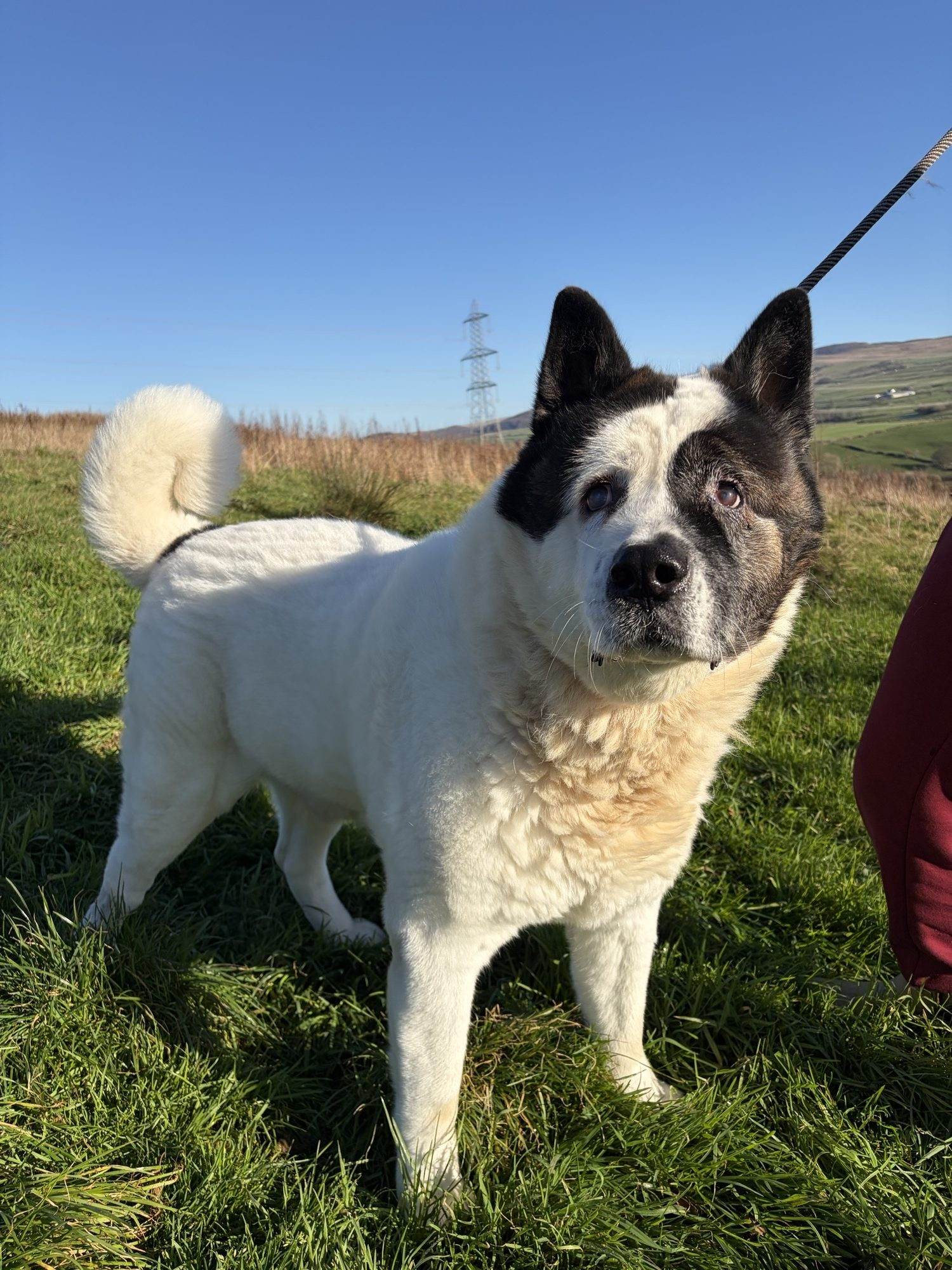
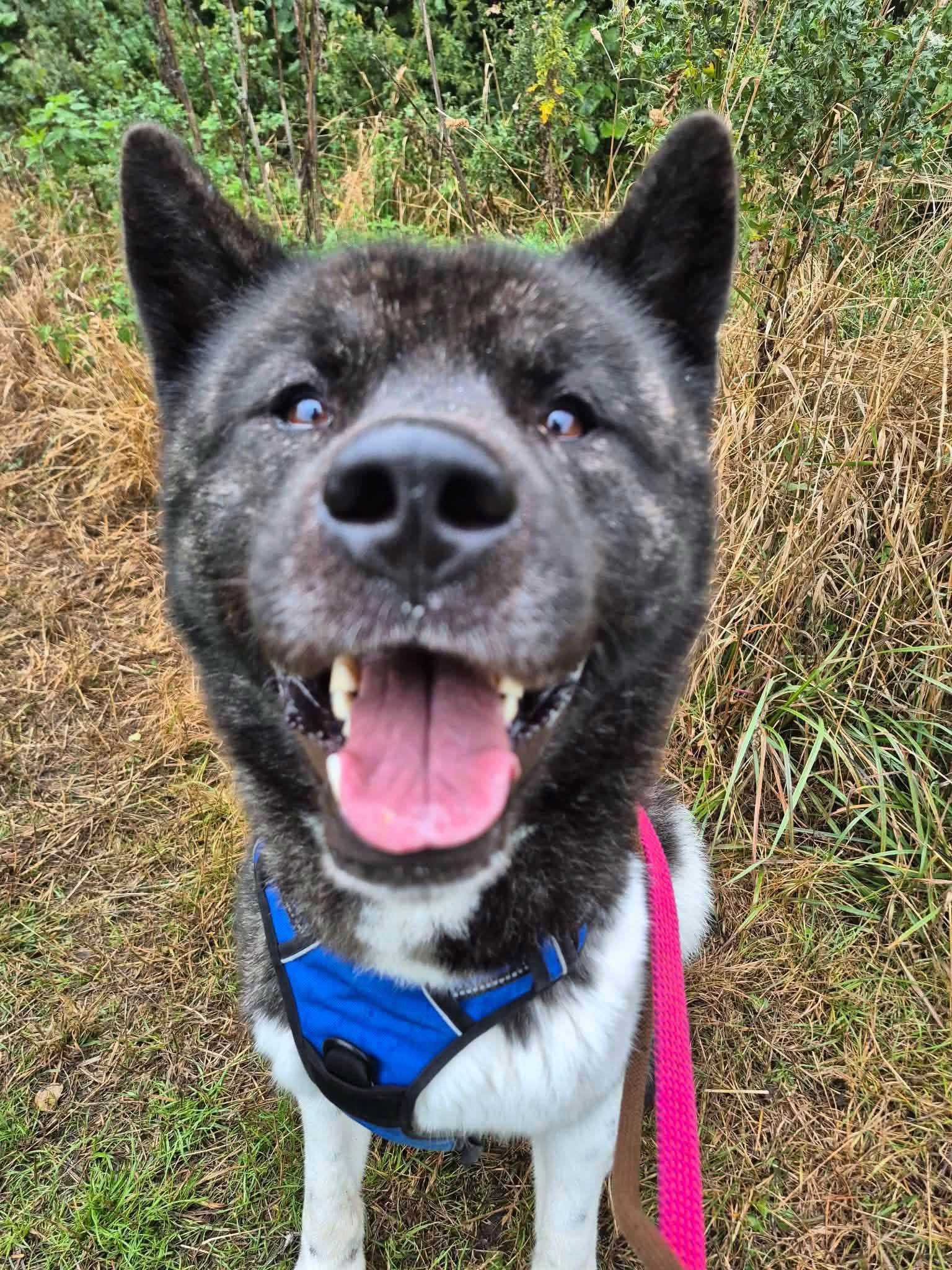
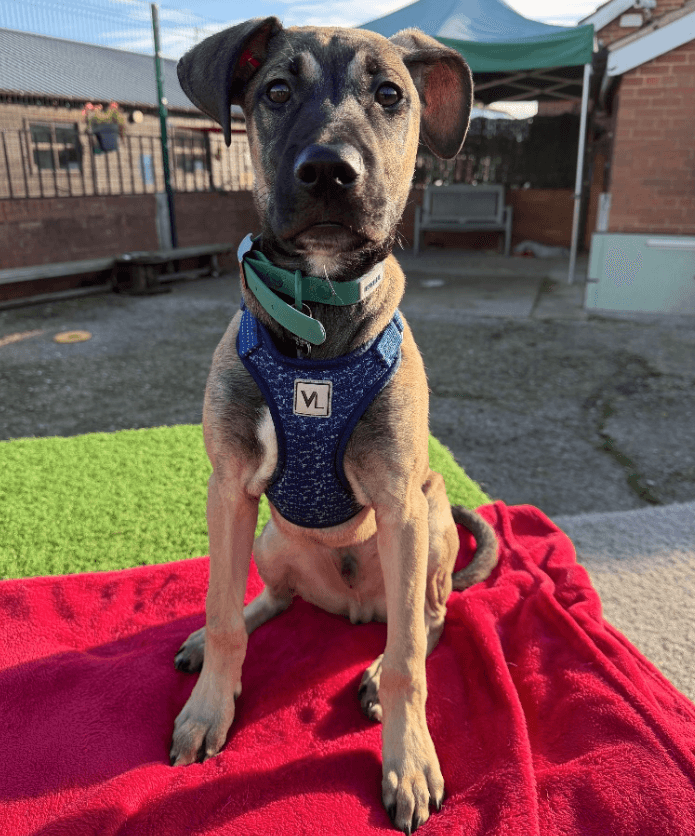
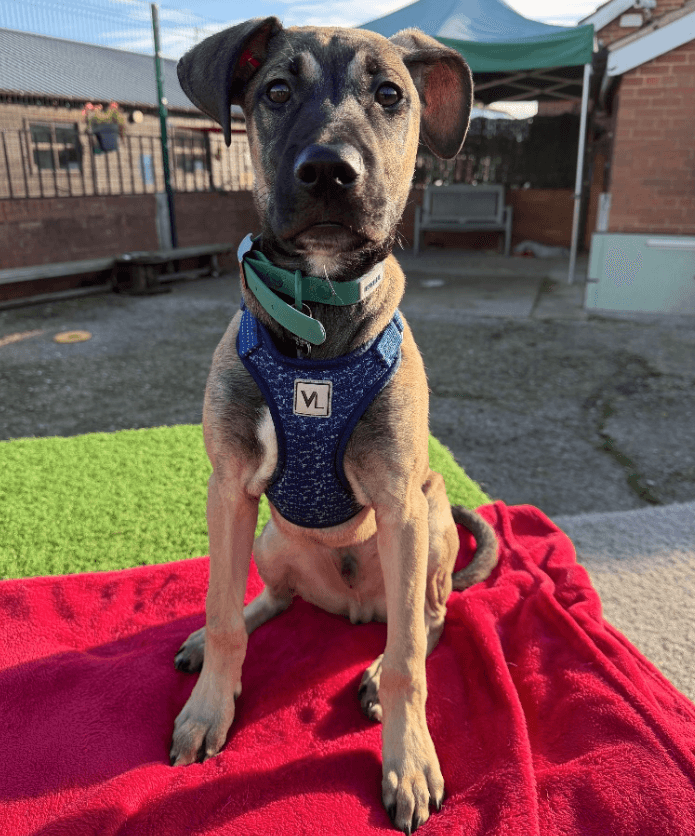
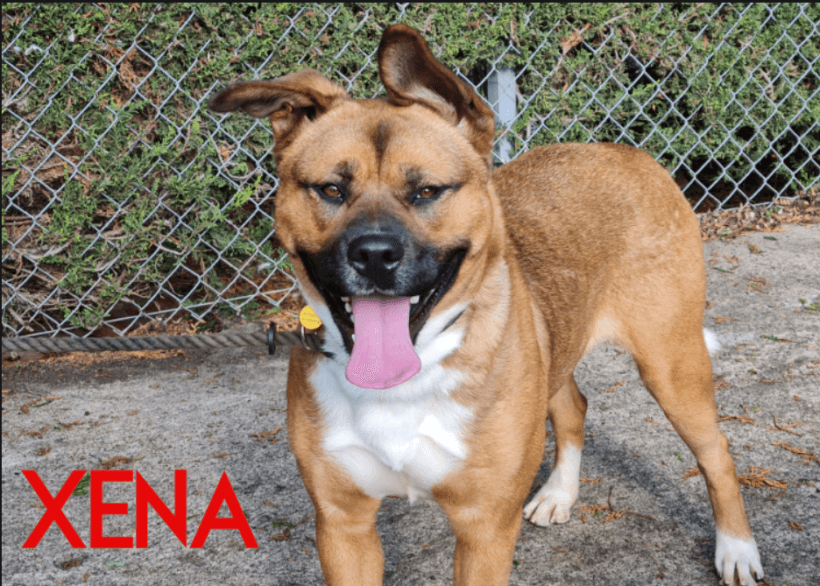
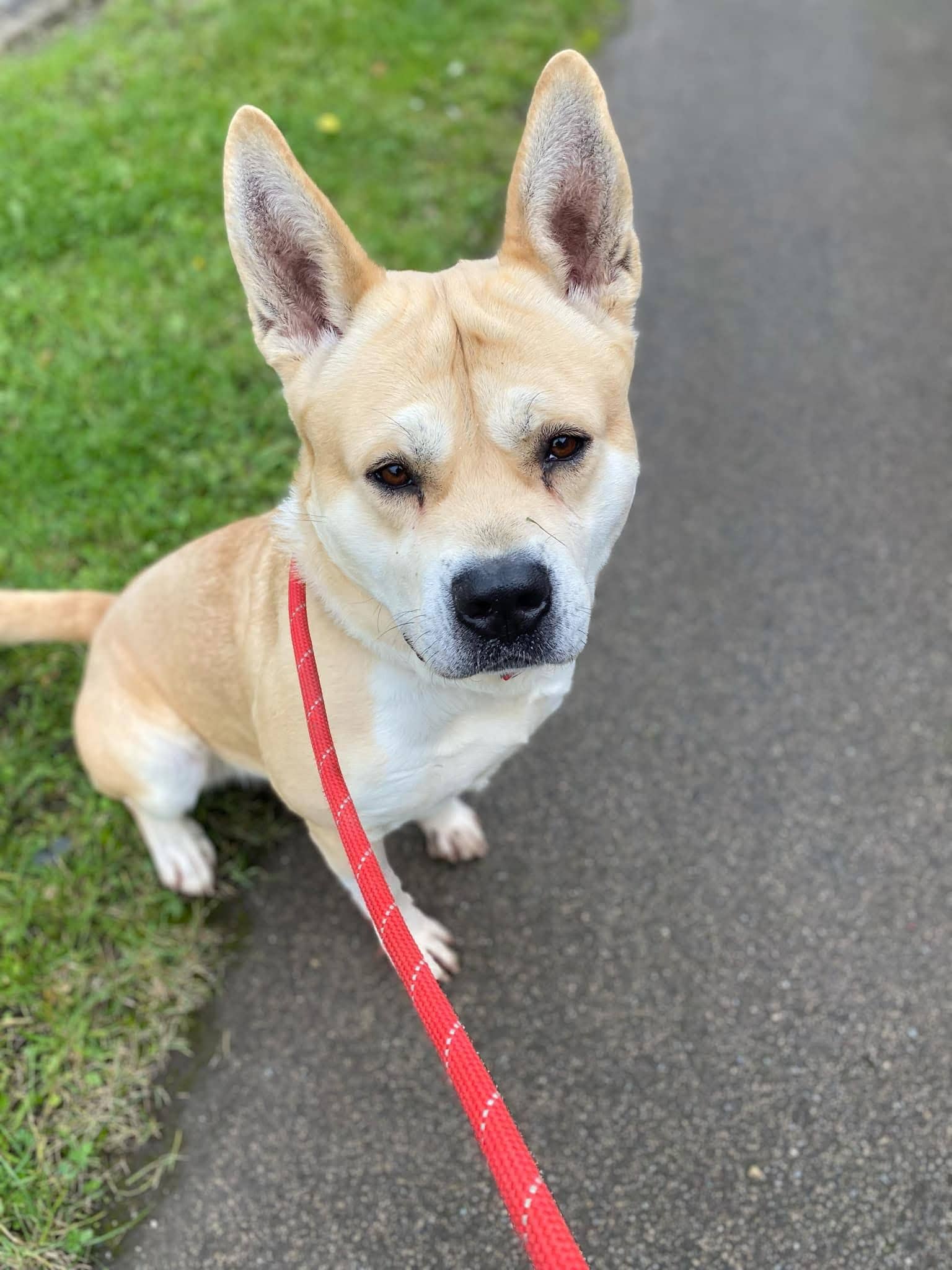
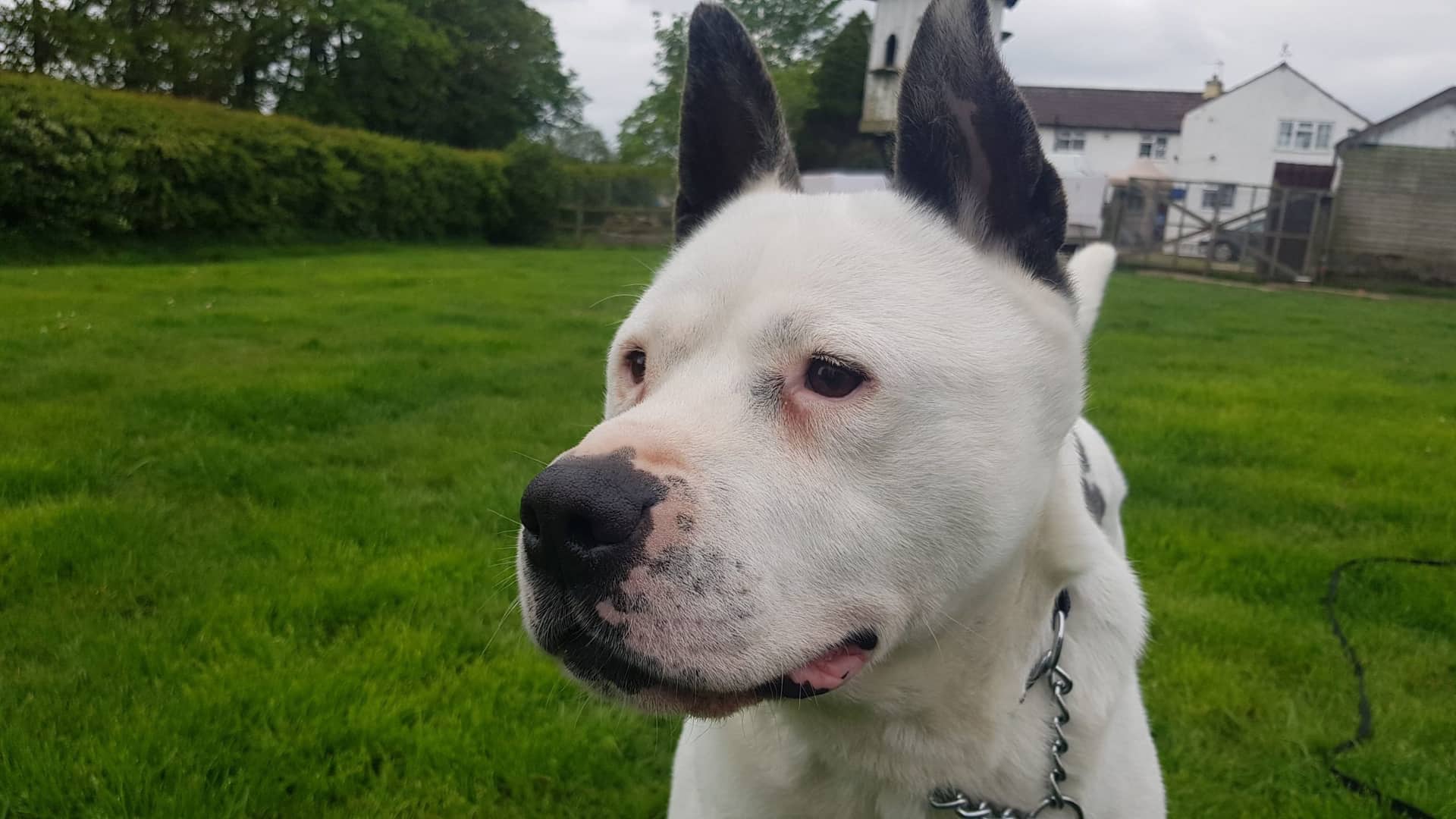
Duke
4 months • Male • Saluki x Akita

Scrumpy
4 months • Male • Akita Cross
Snow
3 years • Male • Akita Cross

Lolly
7 years • Female • Akita
Need to rehome an Akita?
List your dog for free. Your dog stays at home until you find the right family, every listing is checked by a person, and you choose who adopts. Not sure yet? Read the rehoming guide first.
List your dog for free →Akitas across the UK right now
29 akitas are listed across the UK today, with 17 rescues. By age: 7 puppies, 19 adult dogs and 3 older dogs. 18 are male and 10 female. The newest was added on 13 November 2026.
- Chesterfield Animal Rescue at Dronfield: 4 akitas
- Doris Banham Dog Rescue at Cottam: 3 akitas
- Rescue Remedies at Smallfield: 3 akitas
- Birch Hill Dog Rescue at Neen Sollars: 2 akitas
- Jerry Green Dog Rescue at Algarkirk: 2 akitas
- K9 Crusaders Dog Welfare at Truro: 2 akitas
- Three Counties Dog Rescue at Bourne: 2 akitas
- Wolfwood at Ellel: 2 akitas
- and 9 more rescues
Breed labels on rescue listings are often a best guess, and every dog is an individual. Read the profile, then ask the rescue about the dog’s history, what they can live with and the home they need.
About Akitas
| Breed group | Utility |
|---|---|
| Size | Large |
| Height (breed standard) | Dogs 66 to 71 cm, bitches 61 to 66 cm |
| Exercise | More than 2 hours a day |
| Size of home | Large house with a large garden |
| Grooming | Once a week |
| Coat | Short (sheds) |
| Lifespan | Over 10 years |
What Akitas are like to live with
The Royal Kennel Club describes the Akita as a "strong, courageous dog of Japanese origin" and the largest breed in its Utility group. It was developed in Japan for hunting bear, deer and wild boar, and the Akita as we see it today was developed in America, "becoming stronger in bone and substance".
The Royal Kennel Club also recognises the Japanese Akita Inu as a separate breed, "the original Akita as found in Japan", and the two were separated in 2006. This page covers both, and their crosses.
The Akita breed standard describes the temperament as "dignified, courageous, aloof", and says the breed "tends to show dominance over other dogs, though the trait is not encouraged". Dogs Trust describes Akitas as typically energetic, large and strong, and adds that every Akita is an individual whose personality is shaped by its own experiences.
A rescue Akita is an individual and may be a cross. The rescue knows how this particular dog behaves at home, on the lead and with visitors, so ask them.
Size and exercise
The Royal Kennel Club lists both the Akita and the Japanese Akita Inu as large, needing more than two hours of exercise a day. It suggests a large house with a large garden, in town or country.
Dogs Trust calls Akitas "typically high-energy dogs" that need daily walks plus plenty of time to explore, burn energy and play, along with training and daily enrichment. It says the breed could suit you if you love spending active time outdoors.
Grooming
Both breeds have a short coat that sheds. The Royal Kennel Club suggests grooming the Akita about once a week and the Japanese Akita Inu more than once a week. The Akita breed standard describes a coarse, straight outer coat over a soft, dense undercoat.
Dogs Trust describes the Akita's coat as medium length with heavy shedding. It says Akitas need regular brushing and are likely to need professional grooming every few months, and suggests introducing grooming one step at a time with rewards.
Health
The Royal Kennel Club asks Akita breeders to have eyes tested and hips scored for dysplasia. For the Japanese Akita Inu it asks for a DNA test for amelogenesis imperfecta/familial enamel hypoplasia (AI/FEH) and for hips and elbows to be scored. It lists the lifespan of both breeds as over 10 years, and Dogs Trust says typically 10 or more.
The Akita breed standard accepts any colour except merle, which it calls "unacceptable".
A rescue dog's parents may not have been health tested, so ask the rescue what vet checks the dog has had and whether any condition is known. Your own vet is the right person to advise on anything you notice later.
Akitas listed in the UK today
As of 14 November 2026, 29 Akitas are listed with rescues in the UK on LocalPetFinder: by their listed age, 7 puppies aged 12 months or under, 19 adults and 3 aged 7 or over.
18 of them are listed as a cross, as the rescue describes it: Akita Cross (12), Akita Cross Collie and Akita x Staffy and others. Breed labels on rescue listings are often a best guess from looks.
The rescues mark 10 as able to live with children, 2 with cats and 13 with other dogs. Where a profile says nothing, it doesn't mean no: ask the rescue.
Children, cats and other dogs
Akitas are large, strong dogs, and not every one will suit a busy household. The breed standard notes a tendency to show dominance over other dogs, but Dogs Trust is clear that every dog is different: some like meeting other dogs and some do not. Whether a particular rescue Akita can live with children, cats or other dogs depends on the dog, so go by the rescue's own assessment, which is often noted on the profile.
Ask the rescue what kind of home they think this dog needs. Dogs Trust runs family workshops on living happily together with a dog, for children aged seven to eleven.
Akita or Japanese Akita Inu?
The Royal Kennel Club says the Japanese Akita Inu "has remained remarkably unchanged for centuries" and is thought to have been founded on spitz-type dogs, with a wedge-shaped head, small erect ears and a curled tail. The Akita was developed in America and is heavier in bone.
Their breed standards differ in size and colour. The Akita standard gives a height of 66 to 71 cm for dogs and 61 to 66 cm for bitches and accepts any colour except merle. The Japanese Akita Inu standard gives 64 to 70 cm for dogs and 58 to 64 cm for bitches, with colours such as red fawn and sesame with whitish "urajiro" markings, and describes the temperament as "indifferent to strangers". Rescue dogs are often listed simply as "Akita" whichever type they are, so ask the rescue if it matters to you.
Sources (checked 30 September 2026)
- The Royal Kennel Club: Akita
- The Royal Kennel Club: Japanese Akita Inu
- The Royal Kennel Club: Akita breed standard
- The Royal Kennel Club: Japanese Akita Inu breed standard
- Dogs Trust: Akita
- GOV.UK: Banned dogs
Breed descriptions are general. Every rescue animal is an individual, so the rescue's own assessment of the animal comes first.
Akitas in the UK: your questions
Tap a question to expand
How many rescue Akitas are available for adoption in the UK?
As of 14 November 2026, 29 Akitas are listed for adoption in the UK on LocalPetFinder, from Chesterfield Animal Rescue, Doris Banham Dog Rescue, Rescue Remedies, Birch Hill Dog Rescue, Jerry Green Dog Rescue, K9 Crusaders Dog Welfare, Three Counties Dog Rescue, Wolfwood, Ashbourne Animal Welfare, Hull Animal Welfare Trust, Last Chance Animal Rescue, Margaret Green Animal Rescue (Wingletang), Maxi's Mates, National Animal Welfare Trust Hertfordshire, Newcastle Dog & Cat Shelter, St Francis Dogs Home and Thornberry Animal Sanctuary. Each profile links to the rescue, and you apply to adopt with them directly.
Which rescues across the UK have Akitas right now, and how old are they?
As of 14 November 2026, Chesterfield Animal Rescue (at Dronfield): 4, Doris Banham Dog Rescue (at Cottam): 3, Rescue Remedies (at Smallfield): 3, Birch Hill Dog Rescue (at Neen Sollars): 2, Jerry Green Dog Rescue (at Algarkirk): 2 and K9 Crusaders Dog Welfare (at Truro): 2, and 11 more. By age, that is 7 puppies, 19 adult dogs and 3 older dogs. The newest was added on 13 November 2026. Each profile links to the rescue, which handles the adoption.
Where can I adopt an Akita in the UK?
With the rescue that has the dog. Today the Akitas on this page are with Chesterfield Animal Rescue, Doris Banham Dog Rescue, Rescue Remedies, Birch Hill Dog Rescue, Jerry Green Dog Rescue, K9 Crusaders Dog Welfare and 11 other rescues. Open a profile and apply to that rescue: each one runs its own application, home check and adoption fee. We don't rehome animals ourselves.
What is the difference between an Akita and a Japanese Akita Inu?
The Royal Kennel Club treats them as two breeds. It calls the Japanese Akita Inu the original Akita as found in Japan, while the Akita as we see it today was developed in America and is stronger in bone. The two were separated in 2006. The breed standards give the Akita a slightly bigger height range and accept more colours.
How much exercise does an Akita need?
More than two hours a day, according to The Royal Kennel Club. It lists the breed as large and suited to a large house with a large garden. Dogs Trust says Akitas are typically high-energy and need daily walks, play and enrichment. Ask the rescue about this dog, as age and health make a difference.
Is the Akita a banned breed in the UK?
No. The types banned in the UK are the Pit Bull Terrier, Japanese Tosa, Dogo Argentino, Fila Brasileiro and XL Bully, according to GOV.UK. The Akita is not one of them. GOV.UK says whether a dog is a banned type "depends on what it looks like, rather than its breed or name".
Do Akitas shed?
Yes. The Royal Kennel Club lists the Akita as a shedding breed, and Dogs Trust describes heavy shedding. Dogs Trust says Akitas need regular brushing and are likely to need professional grooming every few months.
Are Akitas good with other dogs?
It depends on the dog. The Akita breed standard says the breed "tends to show dominance over other dogs, though the trait is not encouraged", and Dogs Trust says some dogs like meeting other dogs and some do not. A rescue knows how this Akita behaves with other dogs, so ask them before you plan walks or introductions.
How long do Akitas live?
The Royal Kennel Club lists the lifespan of both the Akita and the Japanese Akita Inu as over 10 years, and Dogs Trust says typically 10 or more. Ask the rescue what vet checks this dog has had.
How big do Akitas get?
The Akita breed standard gives a height at the shoulder of 66 to 71 cm for dogs and 61 to 66 cm for bitches. The Japanese Akita Inu standard gives 64 to 70 cm for dogs and 58 to 64 cm for bitches. A standard describes the ideal, so an individual dog may be bigger or smaller.
Where can I buy an Akita, and should I?
We only list dogs with rescues, so there is nothing to buy here: every Akita on this page is adopted for the rescue's fee. If you decide to buy, The Royal Kennel Club runs a Find a Puppy service, and Dogs Trust suggests talking to your vet, and says some practices offer pre-purchase consultations covering likely health conditions, rough costs, finding a responsible breeder and testing for inheritable diseases. With an adult rescue Akita, the rescue can tell you about its personality and vet history.
Are Akitas good with children?
It depends on the dog, not the breed. Today the rescues mark 10 of the 29 Akitas listed in the UK as able to live with children. Where a profile says nothing, ask the rescue what age of children the dog could live with.
How much does it cost to adopt an Akita in the UK?
Each rescue sets its own adoption fee. Battersea charges £230 for a dog over six months and £275 for a puppy under six months, Dogs Trust charges £300 for a puppy or adult dog in England, Wales and Scotland, and Blue Cross fees start from £235 for dogs aged 8 or over and £335 for dogs aged 1 to 7. The fee usually covers neutering, microchipping and first vaccinations, and each rescue confirms its own fee.
Are there Akita puppies for sale in the UK?
No. We don't list animals for sale. Every Akita on this page is with a rescue or rehoming centre. Rescues rehome animals rather than selling them, usually for an adoption fee: for example, Battersea charges £230 for a dog over six months and £275 for a puppy under six months, and Dogs Trust £300. The fee usually goes towards vet work already done, such as neutering, microchipping and first vaccinations. If you searched "akita puppies for sale", the Akitas here are the rescue route: you apply to the rescue and pay its adoption fee, not a sale price.
Can I get a free Akita to a good home in the UK, or one under £500?
Usually not. UK rescues normally ask for an adoption fee, which pays towards neutering, microchipping and vaccinations. Many rescue fees are under £500: Battersea charges £230 for a dog over six months, Dogs Trust £300, and Blue Cross from £235 for dogs aged 8 or over. An animal offered "free to a good home" is usually a private advert rather than a rescue. All dogs in the UK must be microchipped by 8 weeks old, and in England, Wales and Scotland a dog can't pass to a new keeper until it is chipped, so ask to see the microchip details.
Are there Akita puppies for adoption in the UK?
Yes: 7 puppies of the 29 listed in the UK are 12 months or under by the listed age.
Are there older Akitas for adoption in the UK?
Yes: 3 Akitas of the 29 listed in the UK are aged 7 or over by the listed age. Some rescues charge less for older dogs: Blue Cross fees start from £235 for dogs aged 8 or over.
Is there an Akita rescue near me?
This page lists every Akita with the rescues we list across the UK, each with its town. For a city, see Akitas in Aberdeen, Belfast, Birmingham, Bournemouth, Christchurch and Poole, Brecon, Brighton and Hove, Bristol, Cambridge, Canterbury, Cardiff, Carlisle, Dumfries and Galloway, Edinburgh, Exeter, Glasgow, Ipswich, Kendal, Kingston upon Hull, Leeds, Lincoln, Liverpool, London, Manchester, Middlesbrough, Newcastle upon Tyne, North Wales, Northampton, Norwich, Nottingham, Oxford, Perth, Peterborough, Plymouth, Portsmouth, Preston, Sheffield, Shrewsbury, Stoke-on-Trent, Swansea, Taunton, Truro and Worcester. You can also search by postcode with the pet finder on our home page to see what is closest to you.
Need to rehome your Akita? Read our Akita rehoming guide →
Akitas in England, Scotland, Wales and Northern Ireland
Akitas by city
Browse more breeds
Not sure which breed suits you? Take our dog breed quiz →