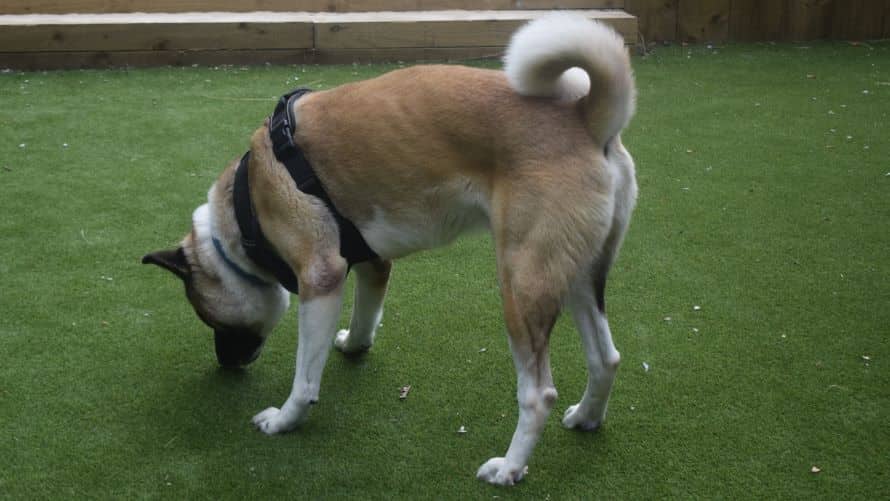
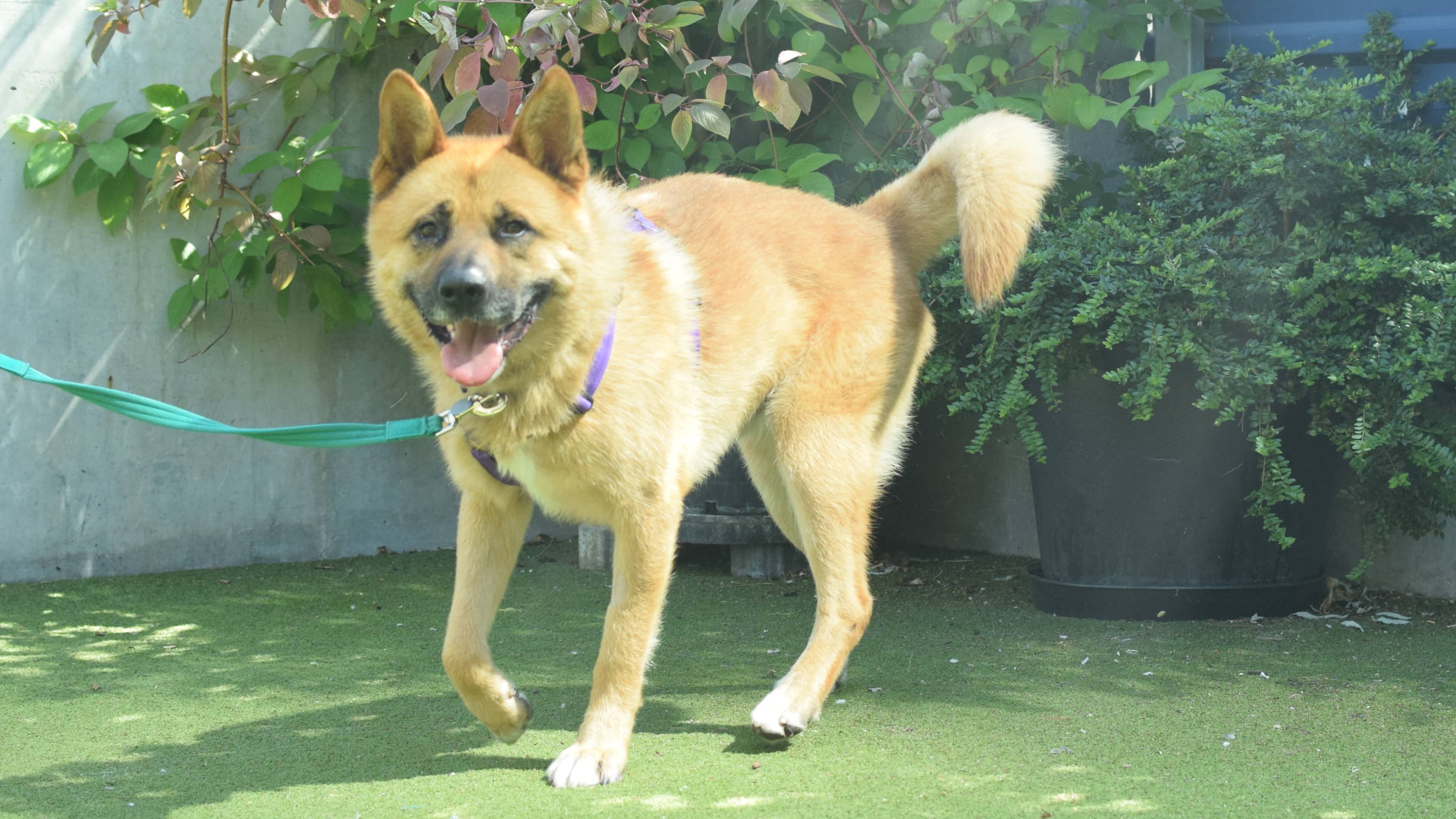
 NEW
NEWCanelo
3 years, 3 months · Male · Akita
Mediumhigh energy
Battersea Dogs & Cats Home · London
Meet Canelo →There is 1 Akita looking for a new home in London right now, listed by Battersea Dogs & Cats Home. Includes Akitas, Japanese Akita Inus and their crosses.
Each profile links to the rescue, who will talk you through their adoption process and fee.
1 dog looking for a home
NEW3 years, 3 months · Male · Akita
Battersea Dogs & Cats Home · London
Meet Canelo →More Akitas with rescues outside London, within about 25 miles. Each card shows the town the animal is in and the straight-line distance from the centre of London.
Email alerts are coming soon. Until then, new animals appear on this page as soon as rescues list them, so please check back.
| Breed group | Utility |
|---|---|
| Size | Large |
| Exercise | More than 2 hours a day |
| Grooming | Once a week |
| Coat | Short (sheds) |
| Lifespan | Over 10 years |
The Royal Kennel Club describes the Akita as a "strong, courageous dog of Japanese origin" and the largest breed in its Utility group. It was developed in Japan for hunting bear, deer and wild boar, and the Akita as we see it today was developed in America.
The Royal Kennel Club also recognises the Japanese Akita Inu as a separate breed, "the original Akita as found in Japan", and the two were separated in 2006. This page covers both, and their crosses.
A rescue Akita is an individual, and many are crosses. The rescue knows how this particular dog behaves at home, on the lead and with visitors, so ask them.
The Royal Kennel Club lists both the Akita and the Japanese Akita Inu as large, needing more than two hours of exercise a day. It suggests a large house with a large garden, in town or country.
Both have a short coat that sheds. The Royal Kennel Club suggests grooming the Akita about once a week and the Japanese Akita Inu more than once a week.
The Royal Kennel Club asks Akita breeders to have eyes tested and hips scored for dysplasia. For the Japanese Akita Inu it asks for a DNA test for amelogenesis imperfecta/familial enamel hypoplasia (AI/FEH) and for hips and elbows to be scored. It lists the lifespan of both breeds as over 10 years.
A rescue dog's parents were rarely health tested, so ask the rescue what vet checks the dog has had and whether any condition is known. Your own vet is the right person to advise on anything you notice later.
Akitas are large, strong dogs, and not every one will suit a busy household. Whether a particular rescue Akita can live with children, cats or other dogs depends on the dog, so go by the rescue's own assessment, which is often noted on the profile.
Sources (checked 29 September 2026)
Breed descriptions are general. Every rescue animal is an individual, so the rescue's own assessment of the animal comes first.
As of 30 September 2026, 1 Akita is listed for adoption in London on LocalPetFinder, from Battersea Dogs & Cats Home. Each profile links to the rescue, and you apply to adopt with them directly.
Not right now: none of the 1 listed in London is under a year old by its listed age. Puppies do get listed, so check back or look at the adults, whose rescues can tell you much more about their character.
The Royal Kennel Club treats them as two breeds. It calls the Japanese Akita Inu the original Akita as found in Japan, while the Akita as we see it today was developed in America and is stronger in bone. The two were separated in 2006.
More than two hours a day, according to The Royal Kennel Club. It lists the breed as large and suited to a large house with a large garden.
Each rescue sets its own adoption fee. Battersea charges £230 for a dog over six months and £275 for a puppy under six months, Dogs Trust charges £300 for a puppy or adult dog in England, Wales and Scotland, and Blue Cross fees start from £235 for dogs aged 8 or over and £335 for dogs aged 1 to 7. The fee usually covers neutering, microchipping and first vaccinations, and each rescue confirms its own fee.
No. We don't list animals for sale. Every Akita on this page is with a rescue or rehoming centre, and rescues rehome animals for an adoption fee rather than selling them: for example, Battersea charges £230 for an adult dog and Dogs Trust £300. The fee goes towards the vet work already done, such as neutering, microchipping and first vaccinations. In England, Lucy's Law has meant since 6 April 2020 that puppies under six months can't be sold by a third party such as a pet shop or dealer: you buy direct from the breeder or adopt from a rehoming centre.
Usually not. UK rescues normally ask for an adoption fee, which pays towards neutering, microchipping and vaccinations. Many rescue fees are under £500: Battersea charges £230 for a dog over six months, Dogs Trust £300, and Blue Cross from £235 for dogs aged 8 or over. An animal offered "free to good home" is a private advert, not a rescue. All dogs in the UK must be microchipped by 8 weeks old, and in England, Wales and Scotland a dog can't pass to a new keeper until it is chipped, so ask to see the microchip details.
This page lists every Akita with the rescues we list in London and the places within it. Because there are only a few here, we also show Akitas from rescues within 25 miles under "Also near London", each with its town and distance. You can also see Akitas across England. Email alerts for new listings are coming soon.
By breed
See all 52 dogs in London → · Akitas across England → · Akitas across the UK →
Akitas in other cities: Birmingham, Glasgow, Leeds, Manchester
For rescues and rehoming centres
Every animal links back to your own adoption page, and you can ask to be removed at any time.