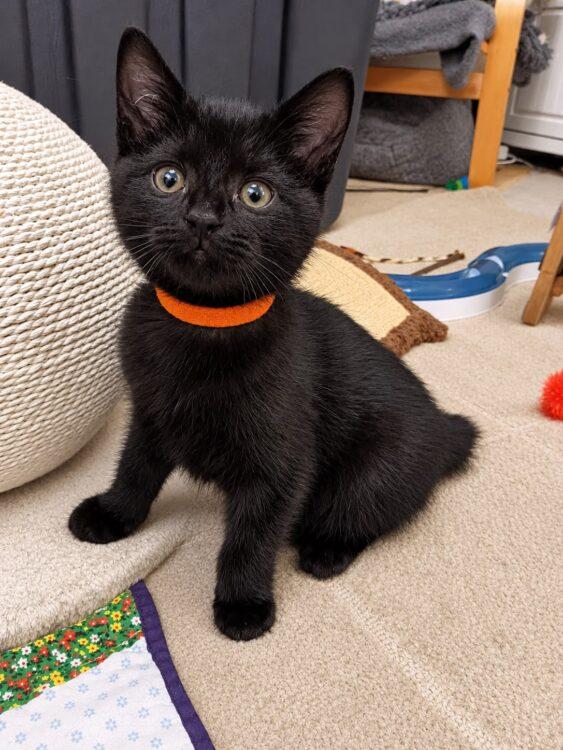
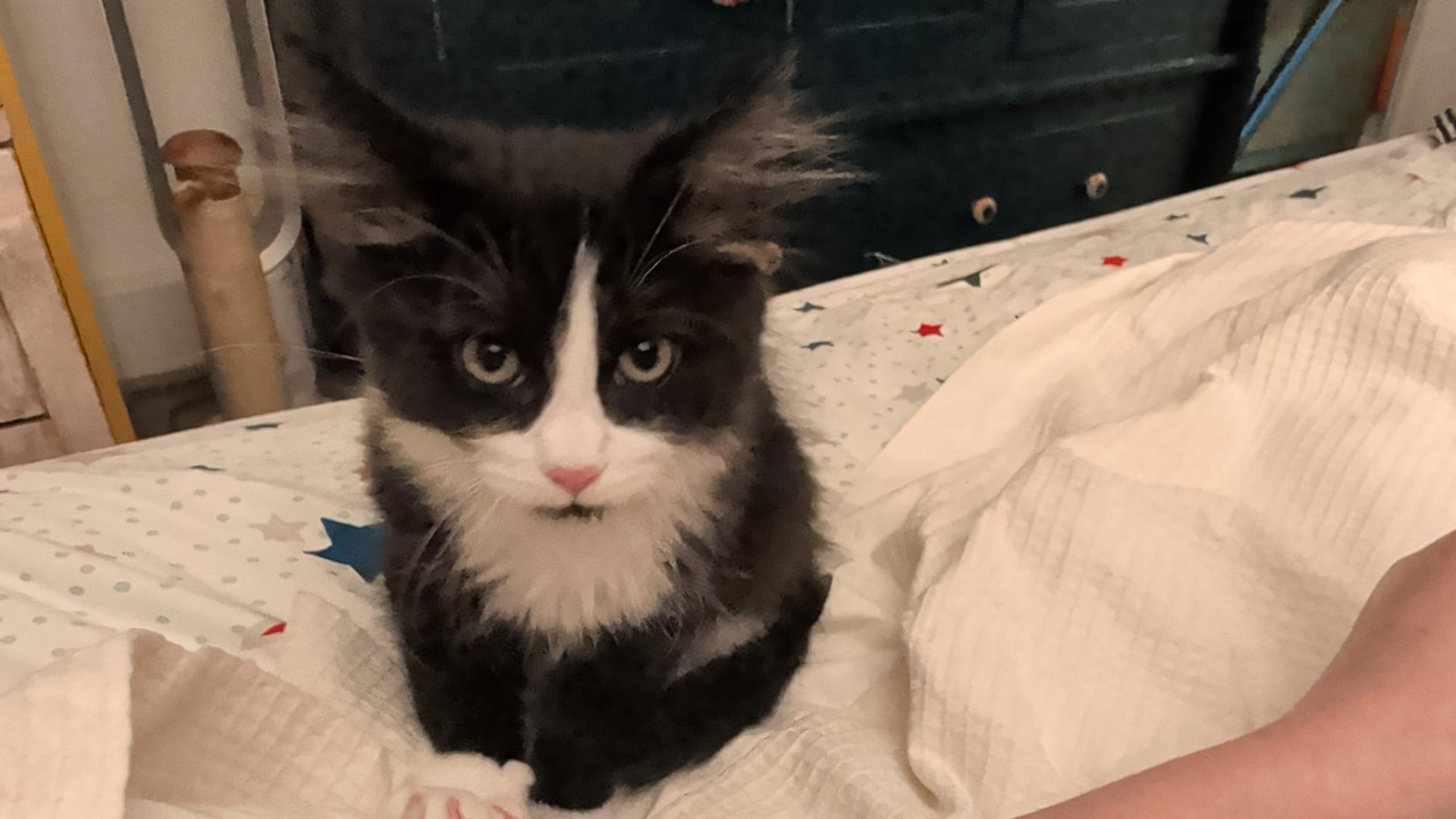

Layla
2 years • Female • Domestic Shorthair
Listed by owner· Sheffield
Meet Layla →Domestic Shorthairs looking for new homes with rescues and rehoming centres across the UK. These are everyday non-pedigree cats, often called moggies.
538 listed across the UK from 70 rescues
Twelve months old or under, listed by rescues and rehoming centres. Each one links to the rescue to apply.
Showing 538 cats
Never miss new Domestic Shorthair cats
Be first to know when new Domestic Shorthair cats are listed across the UK. No spam, unsubscribe any time.
2 years • Female • Domestic Shorthair
2 years • Female • Domestic Shorthair
1 year, 6 months • Female • Domestic Shorthair
1 year, 6 months • Male • Domestic Shorthair
4 years • Female • Domestic Shorthair
6 years, 1 month • Female • Domestic Short Hair
6 years • Male • Domestic Shorthair
10 years, 4 months • Female • Domestic Shorthair
List your cat for free. Your cat stays at home until you find the right family, every listing is checked by a person, and you choose who adopts. Not sure yet? Read the rehoming guide first.
List your cat for free →538 domestic shorthair cats are listed across the UK today, with 70 rescues. By age: 176 kittens, 286 adult cats and 30 older cats, plus 46 with no age given. 168 are male and 271 female. The newest was added on 14 November 2026.
Breed labels on listings are often a best guess from appearance. Read each profile, then ask the rescue about the cat’s history and the home they need.
A domestic shorthair is an everyday non-pedigree cat with a short coat, often called a moggy. PDSA says that while they are not a recognised breed, domestic shorthairs, longhairs and medium hairs "are still the most common type of cat owned in the UK."
PDSA says domestic cats "are of mixed ancestry", so their looks and temperaments vary a great deal, with very different body shapes and builds depending on the breeds in their family history. Some are very lively and others much more laid back. That makes the rescue's description of the individual cat the most useful guide you have.
Cats Protection makes the same point about pedigrees in its pedigree cat myths: a cat's temperament depends on its experiences as a kitten and what it has learnt through life, so "all cats are individuals", and it suggests talking to the previous owner, breeder or rehoming charity to learn about a new cat's nature.
PDSA says that, in general, domestic cats are active, highly intelligent and excellent hunters. How much play and space a particular cat needs varies, so ask the rescue.
Cats Protection's indoor cats advice says a cat that has always lived indoors may find going out scary, while a cat used to going outside can find indoor life stressful. Either way, an indoor cat needs toys, things to climb, puzzle feeders and scratching posts. Ask the rescue how this cat has lived before.
PDSA describes the domestic shorthair coat as short and sleek. Coat colours range widely, from tabby and tortoiseshell to solid colours from black to white.
Cats Protection says in its grooming advice that a short-haired cat may only need a weekly brush, perhaps twice a week in spring and autumn when cats shed most. A sudden change in how much a cat grooms itself can be a sign of a problem, so mention it to your vet.
PDSA says that as their genetic base is very wide, "there are no specific health issues identified for domestic cats." Cats Protection makes a similar point in its advice on getting a pedigree cat: moggies "have evolved from years of natural selection and come from a wide gene pool."
Cats Protection cites UK research in the Journal of Feline Medicine and Surgery that found the average life expectancy of pet cats in the UK is 11.7 years, and that crossbred cats live on average 1.27 years longer than purebred cats. Neutered cats lived on average 1.07 years longer than unneutered cats.
Any cat can still get ill, so ask the rescue what vet checks the cat has had and whether any condition is known. Your own vet is the right person to advise on anything you notice later.
Cats Protection says it has "thousands of moggies" in its care looking for new homes. It says the majority of kittens in the UK are born between March and September: "This is why we call this kitten season". The number of pregnant cats and unwanted kittens arriving in its care rises from March to May, peaks from June to September and falls in October and November.
Cats Protection also says cats in its care aged 11 and over take an average of one month to find a home, over three times longer than kittens, which take eight days.
As of 14 November 2026, 538 domestic shorthair cats are listed with rescues in the UK on LocalPetFinder: by their listed age, 176 kittens aged 12 months or under, 286 adults and 30 aged 10 or over. The rest have no age we can read, so check the profile.
3 of them are listed as a cross, as the rescue describes it: Bengal x Dsh, Domestic Shorthair Crossbreed and Domestic Shorthair x Bsh. Breed labels on rescue listings are often a best guess from looks.
The rescues mark 198 as able to live with children, 74 with dogs and 196 with other cats. Where a profile says nothing, it doesn't mean no: ask the rescue.
Because every moggy is different, there is no breed rule to go by. Whether a particular rescue cat can live with children, dogs or other cats depends on the cat, so go by the rescue's own assessment, which is often noted on the profile.
Cats Protection says pedigree cats are usually bred from cats that meet a breed standard, and that the narrower gene pool can bring extra health problems, while moggies come from a wide gene pool. It says moggies "come with a range of coat colours, coat lengths and personalities without the additional needs (or price tag) of a pedigree breed", and recommends considering adopting a moggy instead of buying a specific breed.
Cats Protection adds that pedigrees usually cost more to insure than a moggy, because they are likely to have additional health needs.
Sources (checked 30 September 2026)
Breed descriptions are general. Every rescue animal is an individual, so the rescue's own assessment of the animal comes first.
Tap a question to expand
As of 14 November 2026, 538 domestic shorthair cats are listed for adoption in the UK on LocalPetFinder, from Rescue Remedies, Feline Fur Babies North Wales, Animal Rescue and Care (Twickenham), Warrington Animal Welfare, North Clwyd Animal Rescue, Wythall Animal Sanctuary, Care4Cats Rescue, Gables Dogs & Cats Home, Croydon Animal Samaritans, Animals In Need Northamptonshire, Bleakholt Animal Sanctuary, Freshfields Animal Rescue, Last Chance Animal Rescue, Animals in Distress (Torbay & Westcountry), Rolvenden Cat Rescue, Save A Stray, Suffolk Animal Rescue, The Animal House Rescue, Woodside Animal Welfare Trust, Foal Farm Animal Rescue, Animal Care Lancaster Morecambe & District, StraySafe Rescue, Thornberry Animal Sanctuary, All Creatures Great and Small, Hull Animal Welfare Trust, S.A.R.A. – The Ann Prosser Foundation, Windyway Animal Rescue, Diana Brimblecombe Animal Rescue Centre, Barnsley Animal Rescue Charity, Shropshire Cat Rescue, Yorkshire Cat Rescue, Carla Lane Animals in Need, Coventry Cat Group, National Animal Welfare Trust Bedfordshire, Oxfordshire Animal Sanctuary, Society for Abandoned Animals, Three Counties Dog Rescue, Toe Beans Cat Rescue, Woodlands Animal Sanctuary, Assisi Animal Sanctuary, Cheltenham Animal Shelter, Compassion for Cats, Freddie's Felines, Margaret Green Animal Rescue (Church Knowle), National Animal Welfare Trust Hertfordshire, RAIN Rescue, Ravenswood Pet Rescue, Bryson's Animal Shelter, Chesterfield Animal Rescue, Greenacres Rescue, Margaret Green Animal Rescue (Wingletang), Raystede Centre for Animal Welfare, Teckels Animal Sanctuaries, Animal Concern Cumbria, Eden Animal Rescue, Four Paws Cat Rescue, Leicester Animal Rescue, National Animal Welfare Trust Berkshire, National Animal Welfare Trust Cornwall, Oak Tree Animals' Charity, Pennine Pen Animal Rescue, TAG Pet Rescue, Wadars, Worcestershire Animal Rescue Shelter, Avid's Angels Cat Rescue, Borders Pet Rescue, Greenleaf Animal Rescue, Holbrook Animal Rescue and Purrple Cat Rescue. Each profile links to the rescue, and you apply to adopt with them directly.
As of 14 November 2026, Rescue Remedies (at Smallfield): 44, Feline Fur Babies North Wales (at Prestatyn): 23, Animal Rescue and Care (Twickenham) (at London): 22, Warrington Animal Welfare (at Warrington): 22, North Clwyd Animal Rescue (at Trelogan): 21 and Wythall Animal Sanctuary (at Wythall): 18, and 64 more. By age, that is 176 kittens, 286 adult cats and 30 older cats, plus 46 with no age given. The newest was added on 14 November 2026. Each profile links to the rescue, which handles the adoption.
With the rescue that has the cat. Today the domestic shorthair cats on this page are with Rescue Remedies, Feline Fur Babies North Wales, Animal Rescue and Care (Twickenham), Warrington Animal Welfare, North Clwyd Animal Rescue, Wythall Animal Sanctuary and 63 other rescues. Open a profile and apply to that rescue: each one runs its own application, home check and adoption fee. We don't rehome animals ourselves.
A domestic shorthair is a non-pedigree cat with a short coat, often called a moggy. PDSA says domestic cats are of mixed ancestry and are not a recognised breed, but domestic shorthairs, longhairs and medium hairs are still the most common type of cat owned in the UK.
Roughly March to September. Cats Protection says most kittens in the UK are born between March and September, and that the number of pregnant cats and unwanted kittens arriving in its care rises from March to May, peaks from June to September and falls in October and November.
On average, yes. Cats Protection cites UK research that found crossbred cats live on average 1.27 years longer than purebred cats, and that the average pet cat in the UK lives 11.7 years. Every cat is different, so ask the rescue about this cat's health.
None specific to them. PDSA says that because the genetic base of domestic cats is very wide, there are no specific health issues identified for them. Any cat can still get ill, so ask the rescue what vet checks this cat has had.
About once a week. Cats Protection says a short-haired cat may only need a weekly brush, perhaps twice a week in spring and autumn when cats shed most. A soft brush or grooming mitt suits many short-haired cats.
It depends on the cat. Cats Protection says a cat that has always lived indoors may be happier staying in, while a cat used to going out can find indoor life stressful. An indoor cat needs toys, climbing spaces and scratching posts. Ask the rescue how this cat has lived.
In England, yes: since 10 June 2024 cats must be microchipped before they are 20 weeks old and registered on a database, or the owner may be fined up to £500. In Scotland, Wales and Northern Ireland, gov.uk says you can choose to microchip your cat. Ask the rescue whether the cat is already chipped.
It depends on the cat, not the breed. Today the rescues mark 198 of the 538 domestic shorthair cats listed in the UK as able to live with children. Where a profile says nothing, ask the rescue what age of children the cat could live with.
Each rescue sets its own adoption fee. Battersea charges £100 for a cat over six months and £130 for a kitten, Cats Protection says you can expect to pay £80 to £120 on average for an adult cat and £100 to £120 for a kitten, varying between its branches, and Blue Cross fees start from £150 for cats aged 4 months to 7 years. The fee usually covers neutering, microchipping and first vaccinations, and each rescue confirms its own fee.
No. We don't list animals for sale. Every domestic shorthair on this page is with a rescue or rehoming centre. Rescues rehome animals rather than selling them, usually for an adoption fee: for example, Battersea charges £100 for a cat over six months and £130 for a kitten. The fee usually goes towards vet work already done, such as neutering, microchipping and first vaccinations. If you searched "domestic shorthair kittens for sale", the domestic shorthair cats here are the rescue route: you apply to the rescue and pay its adoption fee, not a sale price.
Usually not. UK rescues normally ask for an adoption fee, which pays towards neutering, microchipping and vaccinations. At the large cat charities, fees for one cat are under £200: Battersea charges £100 for a cat over six months and £130 for a kitten, and Cats Protection says £80 to £120 on average for an adult cat. An animal offered "free to a good home" is usually a private advert rather than a rescue.
Yes: 176 kittens of the 538 listed in the UK are 12 months or under by the listed age.
Yes: 30 domestic shorthair cats of the 538 listed in the UK are aged 10 or over by the listed age. Some rescues charge less for older cats: Blue Cross fees start from £100 for cats aged 8 or over.
This page lists every domestic shorthair with the rescues we list across the UK, each with its town. For a city, see domestic shorthair cats in Aberdeen, Belfast, Birmingham, Bournemouth, Christchurch and Poole, Brecon, Brighton and Hove, Bristol, Cambridge, Canterbury, Cardiff, Carlisle, Dumfries and Galloway, Edinburgh, Exeter, Glasgow, Ipswich, Kendal, Kingston upon Hull, Leeds, Lincoln, Liverpool, London, Manchester, Middlesbrough, Newcastle upon Tyne, North Wales, Northampton, Norwich, Nottingham, Oxford, Perth, Peterborough, Plymouth, Portsmouth, Preston, Sheffield, Shrewsbury, Stoke-on-Trent, Swansea, Taunton, Truro and Worcester. You can also search by postcode with the pet finder on our home page to see what is closest to you.
Can’t keep your cat? List them free, safely →


