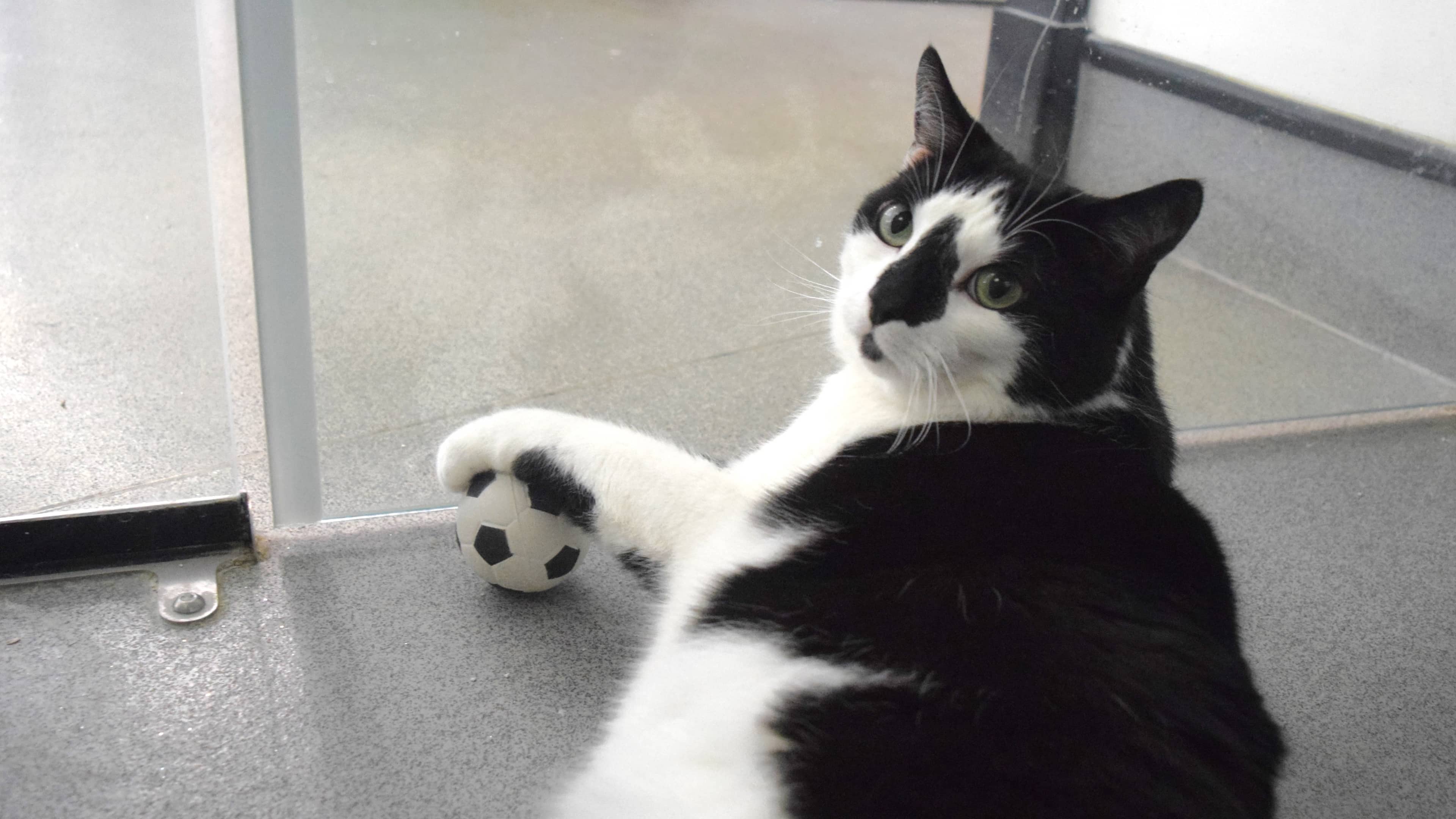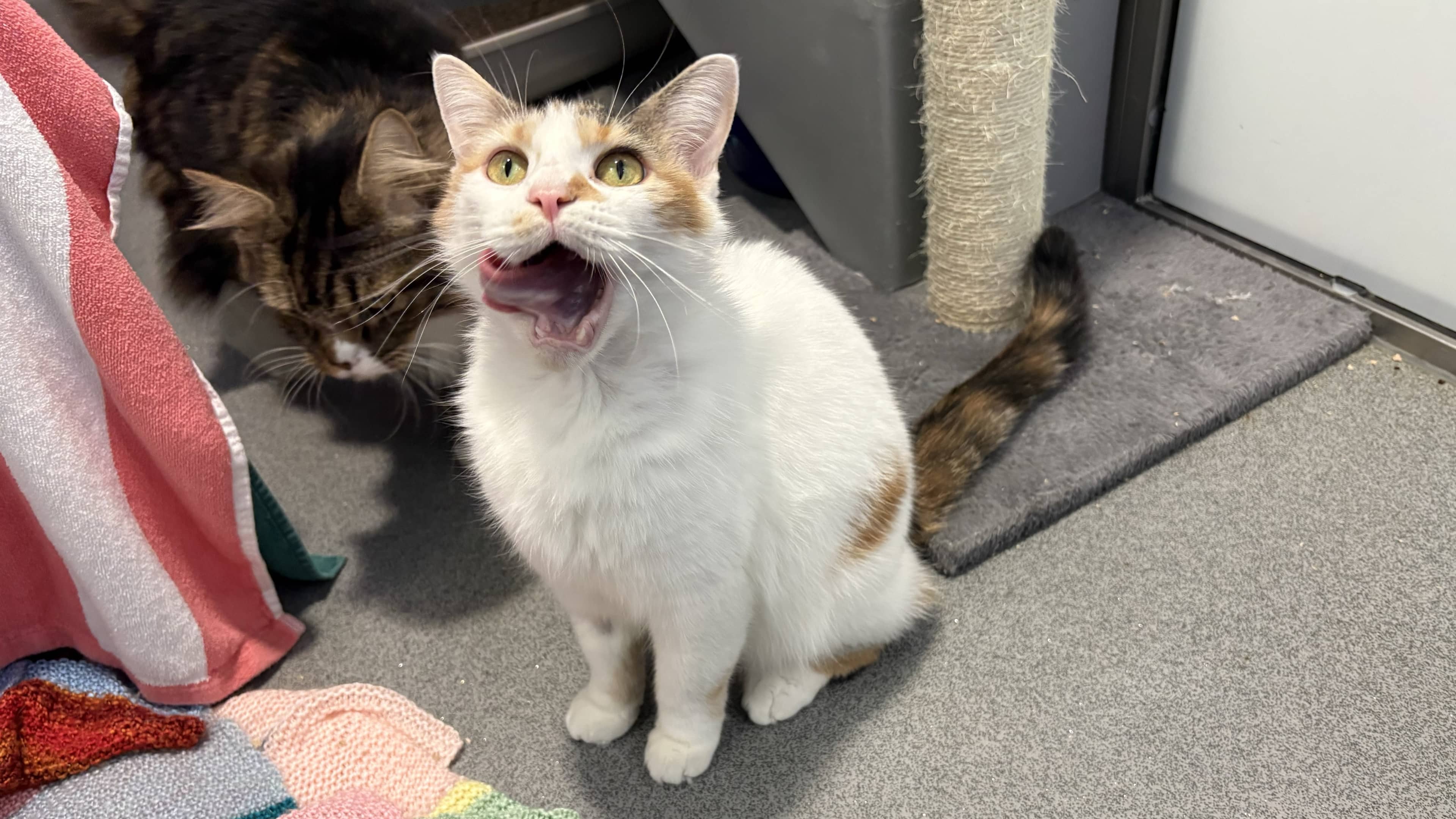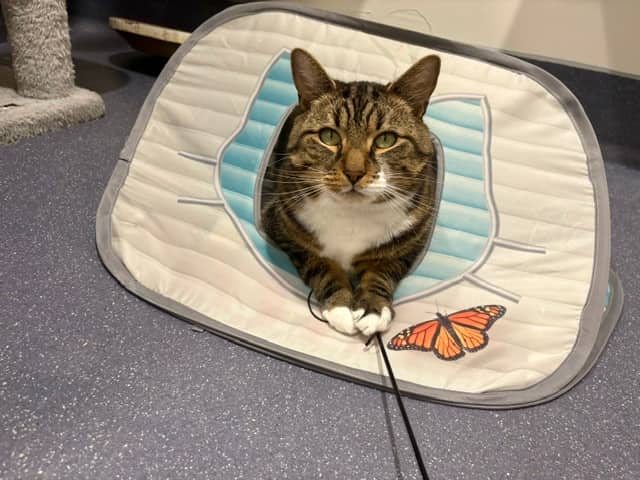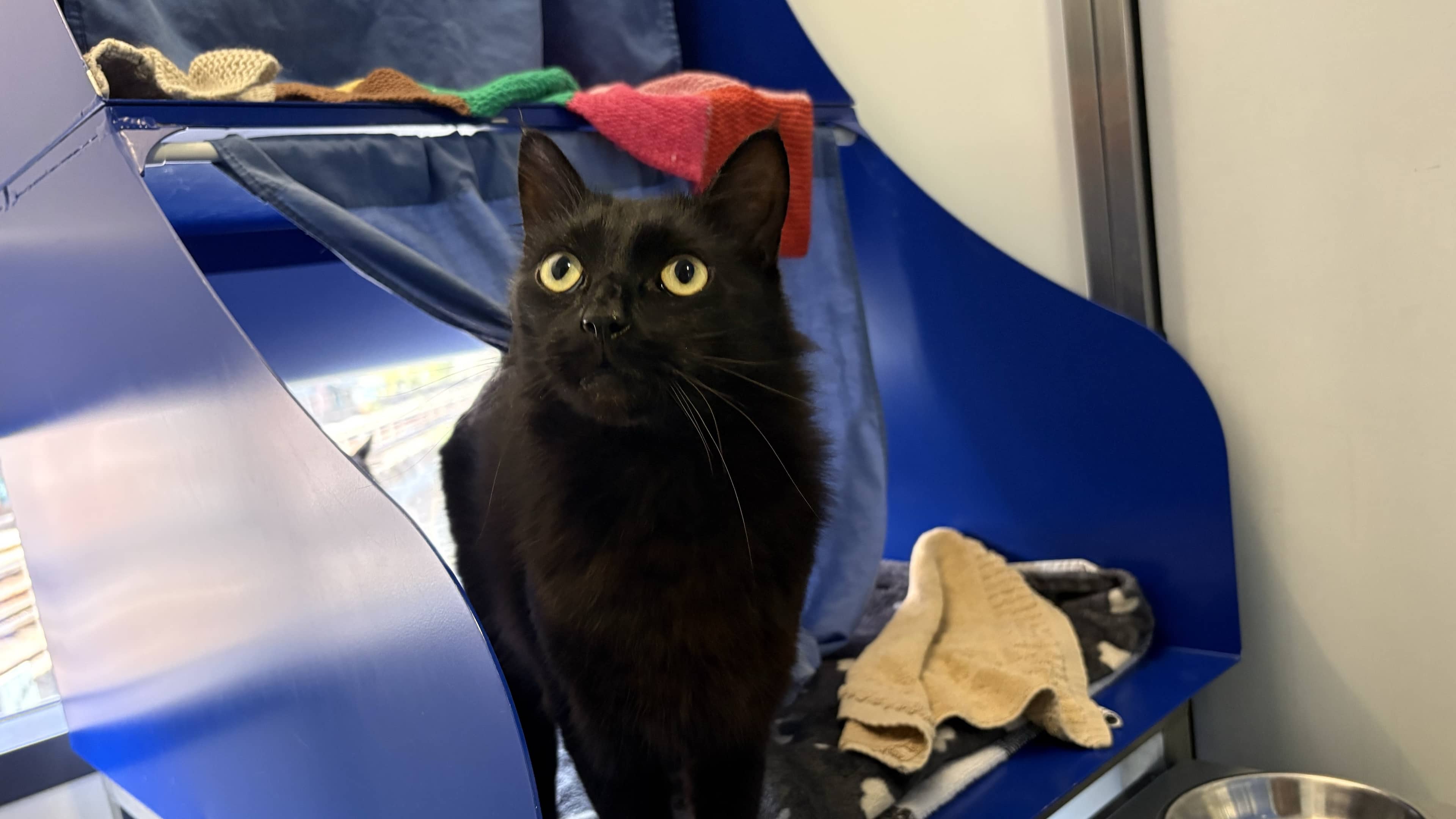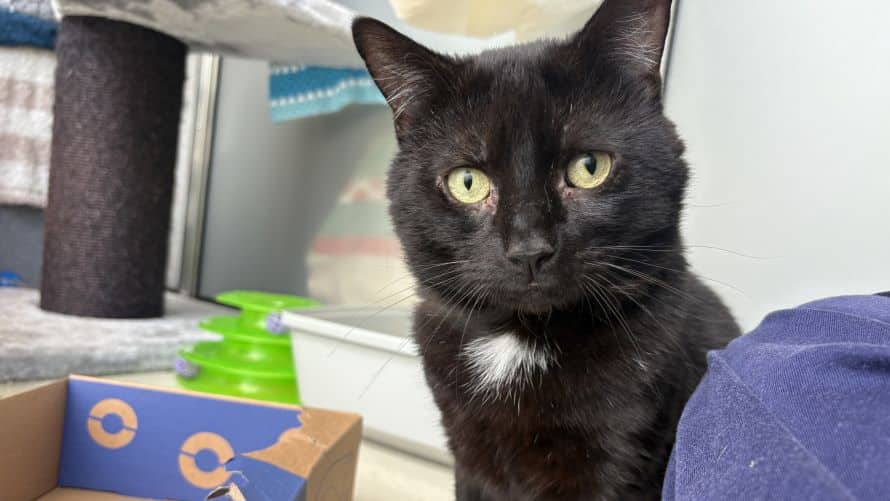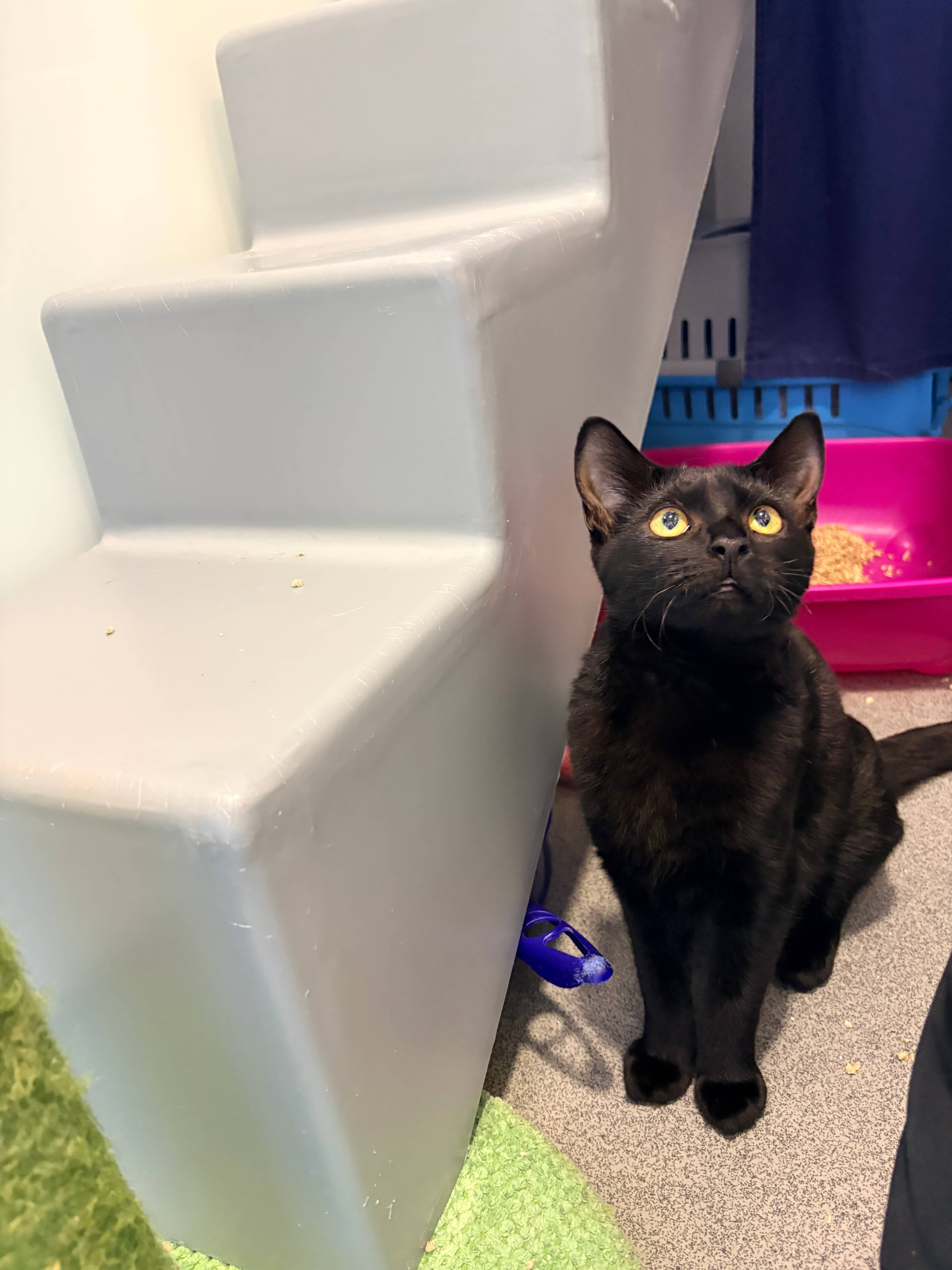
Babaganoush
6 months • Female • Domestic Shorthair
high energy
Can live with:Children
Battersea Dogs & Cats Home· London
Meet Babaganoush →There are 35 domestic shorthair cats looking for a new home in London right now, listed by Battersea Dogs & Cats Home. Domestic shorthairs are everyday non-pedigree short-coated cats (moggies), as the rescue lists them.
By listed age: 3 kittens, 29 adults and 3 older cats.
Each profile links to the rescue, who will talk you through their adoption process and fee.
Showing 35 cats
6 months • Female • Domestic Shorthair
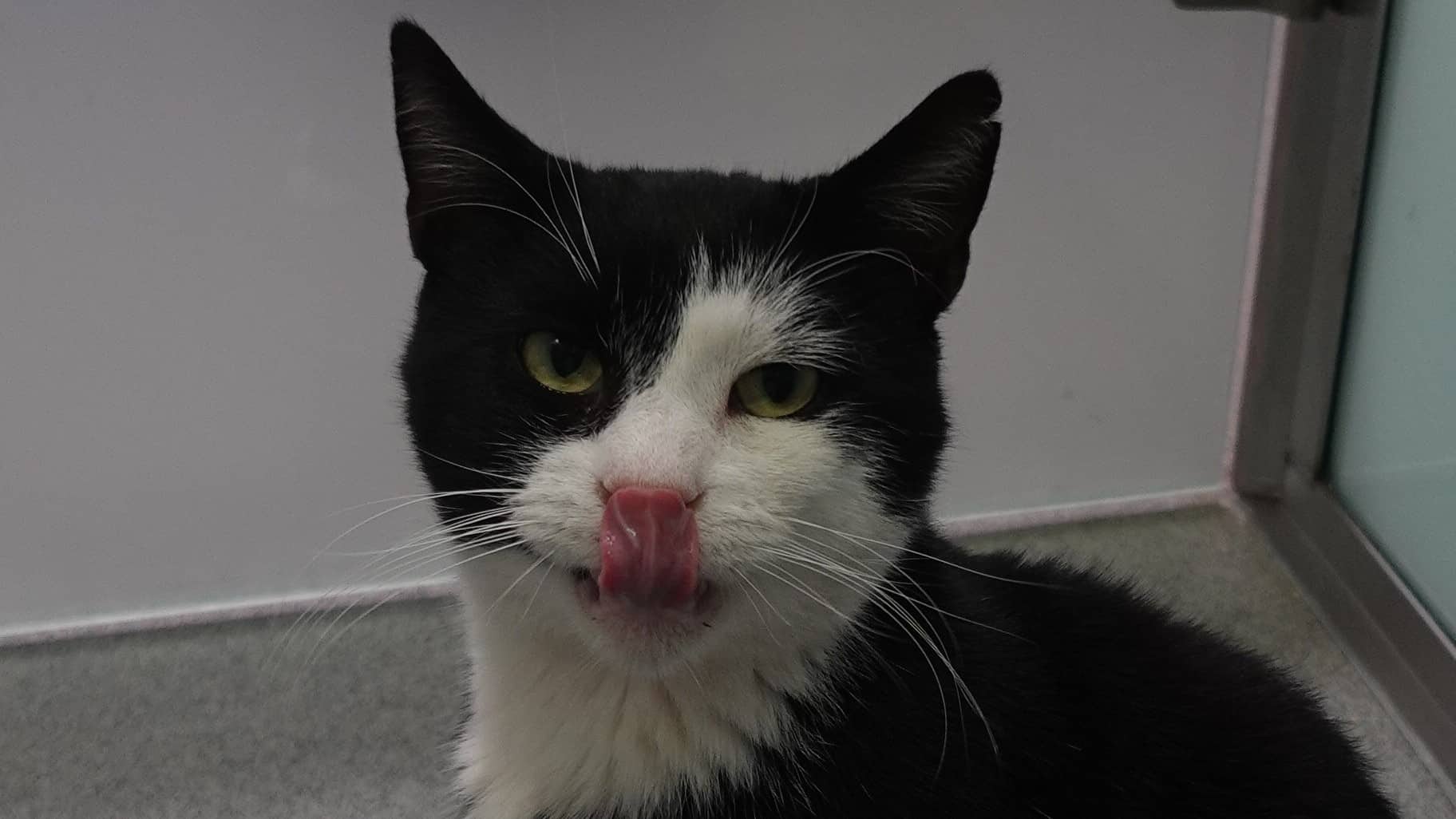
6 years, 2 months • Male • Domestic Shorthair
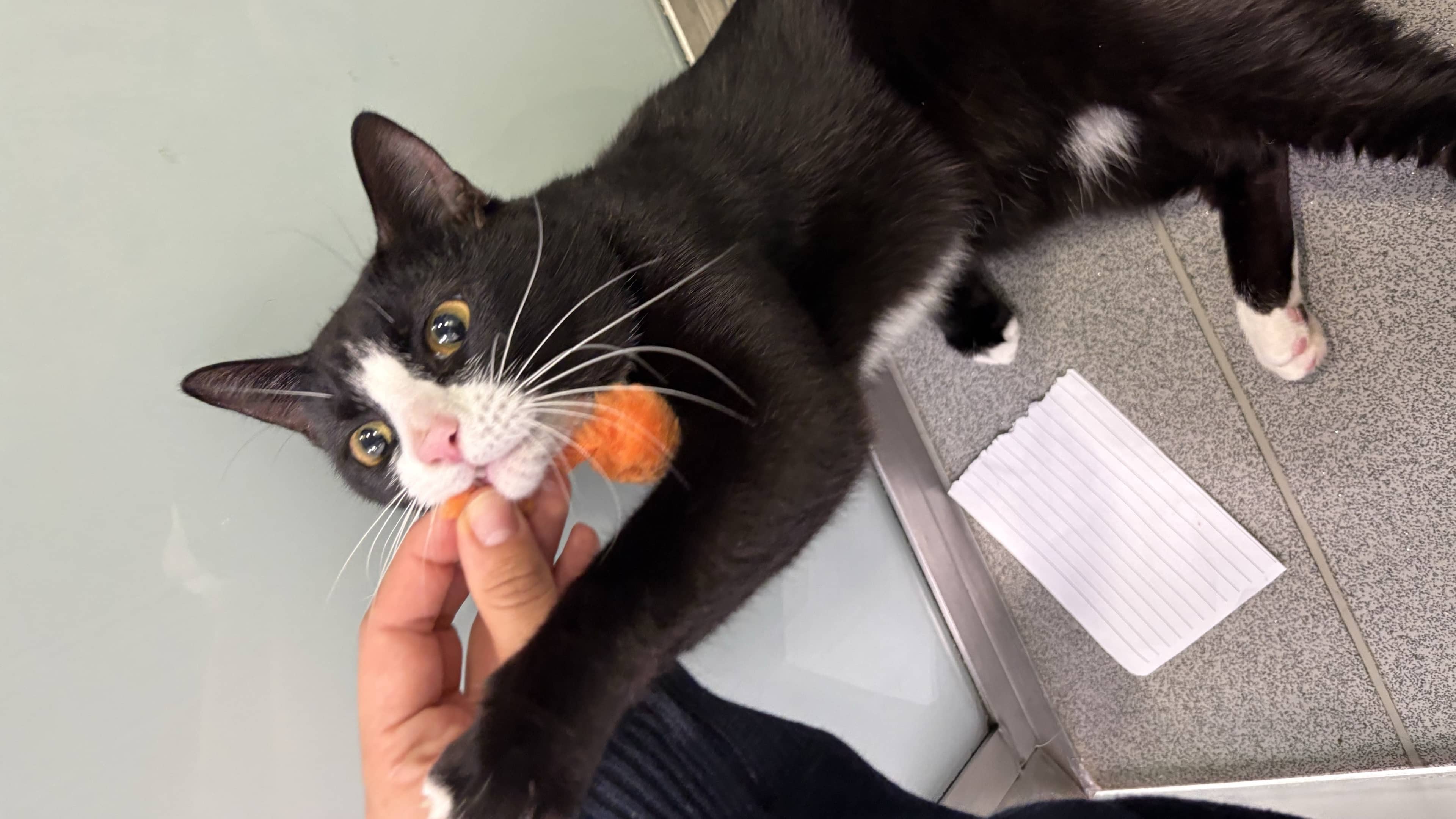
7 years, 6 months • Male • Domestic Shorthair
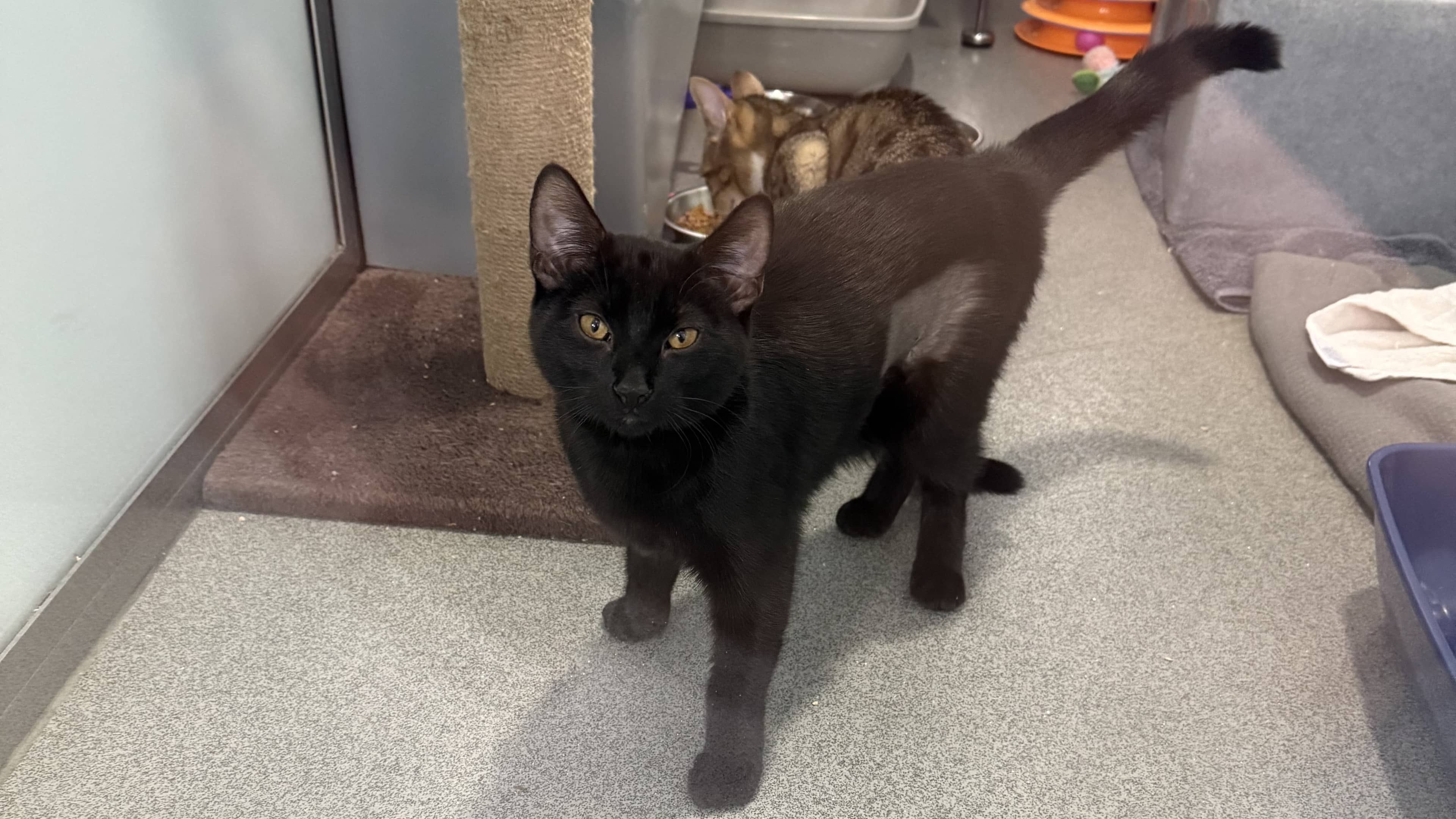
8 years, 7 months • Female • Domestic Shorthair
2 years, 12 months • Male • Domestic Shorthair
4 years, 6 months • Female • Domestic Shorthair
10 years, 1 month • Male • Domestic Shorthair
2 years • Male • Domestic Shorthair
5 months • Female • Domestic Shorthair
7 years, 7 months • Male • Domestic Shorthair
2 years, 12 months • Male • Domestic Shorthair
2 years, 7 months • Male • Domestic Shorthair
Email alerts are coming soon. Until then, new animals appear on this page as soon as rescues list them, so please check back.
A domestic shorthair is an everyday non-pedigree cat with a short coat, often called a moggy. Blue Cross says "the term 'moggy' is slang for a non-pedigree cat. These are the most common cats that you'll see around the UK". PDSA says that while they are not a recognised breed, domestic shorthairs, longhairs and medium hairs "are still the most common type of cat owned in the UK."
PDSA says domestic cats "are of mixed ancestry", so their looks and temperaments vary a great deal. Some are very lively and others much more laid back. That makes the rescue's description of the individual cat the most useful guide you have.
PDSA says that, in general, domestic cats are active, highly intelligent and excellent hunters. How much play and space a particular cat needs varies, so ask the rescue.
PDSA describes the domestic shorthair coat as short and sleek. Coat colours range widely, from tabby and tortoiseshell to solid colours from black to white.
PDSA says that as their genetic base is very wide, "there are no specific health issues identified for domestic cats." Cats Protection makes a similar point in its advice on getting a pedigree cat: moggies "have evolved from years of natural selection and come from a wide gene pool."
Any cat can still get ill, so ask the rescue what vet checks the cat has had and whether any condition is known. Your own vet is the right person to advise on anything you notice later.
Blue Cross says moggies are "easily found in rehoming centres". Cats Protection says the majority of kittens in the UK are born between March and September: "This is why we call this kitten season". It says the number of pregnant cats and unwanted kittens arriving in its care peaks from June to September.
Because every moggy is different, there is no breed rule to go by. Whether a particular rescue cat can live with children, dogs or other cats depends on the cat, so go by the rescue's own assessment, which is often noted on the profile.
Sources (checked 29 September 2026)
Breed descriptions are general. Every rescue animal is an individual, so the rescue's own assessment of the animal comes first.
Tap a question to expand
As of 30 September 2026, 35 domestic shorthair cats are listed for adoption in London on LocalPetFinder, from Battersea Dogs & Cats Home. Each profile links to the rescue, and you apply to adopt with them directly.
Yes: 3 kittens of the 35 listed in London are 12 months or under by their listed age.
A domestic shorthair is a non-pedigree cat with a short coat, often called a moggy. PDSA says domestic cats are of mixed ancestry and are not a recognised breed, but domestic shorthairs, longhairs and medium hairs are still the most common type of cat owned in the UK.
Roughly March to September. Cats Protection says most kittens in the UK are born between March and September, and that the number of pregnant cats and unwanted kittens arriving in its care rises from March to May, peaks from June to September and falls in October and November.
Each rescue sets its own adoption fee. Battersea charges £100 for a cat over six months and £130 for a kitten, Cats Protection says you can expect to pay £80 to £120 on average for an adult cat and £100 to £120 for a kitten, varying between its branches, and Blue Cross fees start from £150 for cats aged 4 months to 7 years. The fee usually covers neutering, microchipping and first vaccinations, and each rescue confirms its own fee.
No. We don't list animals for sale. Every domestic shorthair on this page is with a rescue or rehoming centre, and rescues rehome animals rather than selling them, usually for an adoption fee: for example, Battersea charges £100 for a cat over six months and £130 for a kitten. The fee usually goes towards vet work already done, such as neutering, microchipping and first vaccinations. In England, Lucy's Law has meant since 6 April 2020 that kittens under six months can't be sold by a third party such as a pet shop or dealer: you buy direct from the breeder or adopt from a rehoming centre.
Usually not. UK rescues normally ask for an adoption fee, which pays towards neutering, microchipping and vaccinations. At the large cat charities, fees for one cat are under £200: Battersea charges £100 for a cat over six months and £130 for a kitten, and Cats Protection says £80 to £120 on average for an adult cat. An animal offered "free to good home" is usually a private advert rather than a rescue. In England, cats must be microchipped before they are 20 weeks old, so ask to see the microchip details.
This page lists every domestic shorthair with the rescues we list in London and the places within it. You can also see domestic shorthair cats across England. Email alerts for new listings are coming soon.
For rescues and rehoming centres
Every animal links back to your own adoption page, and you can ask to be removed at any time.