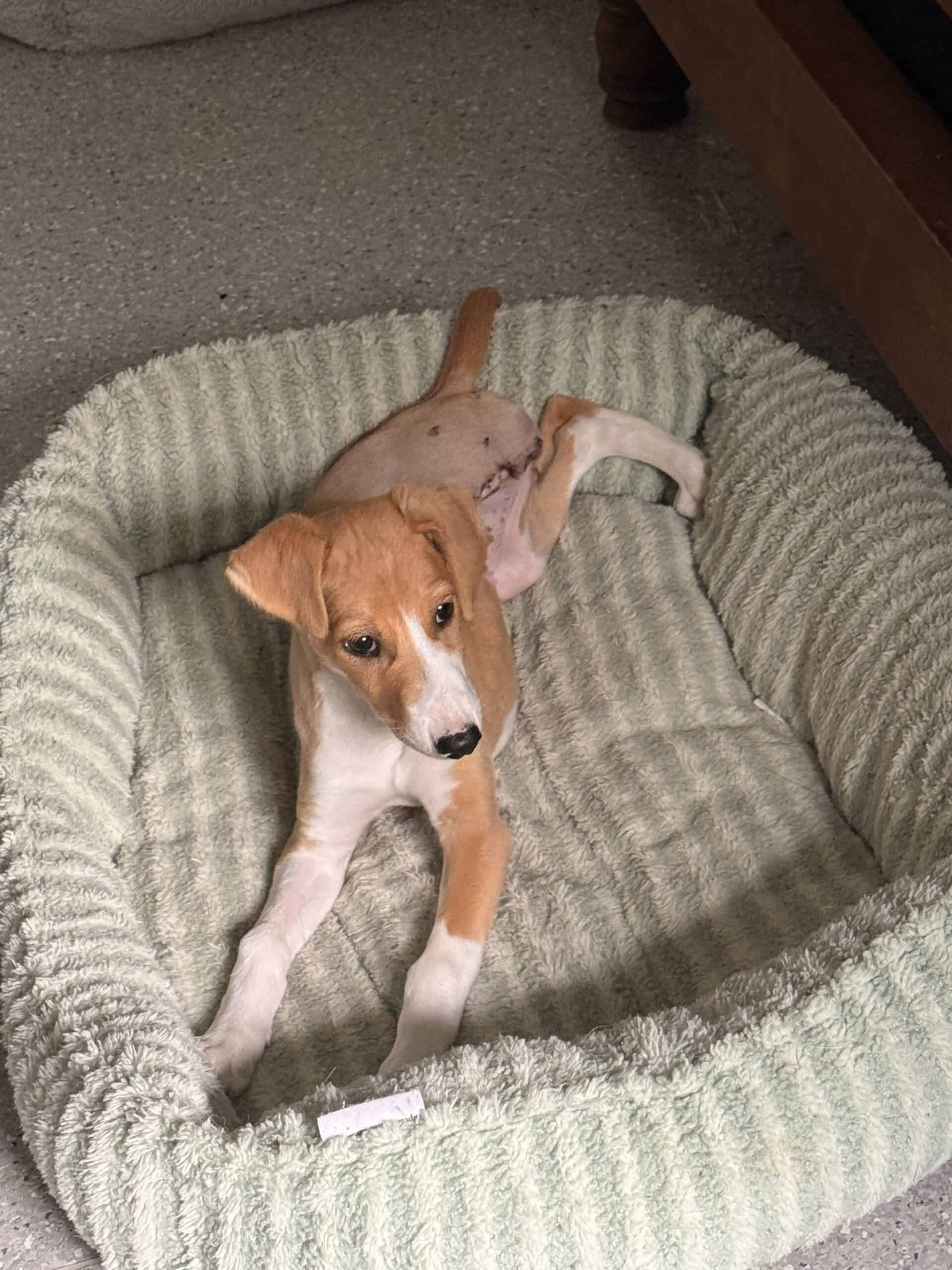


Ella
2 years, 1 month • Female • Lurcher
Medium
Can live with:ChildrenOther dogs
Paws and People· Banbridge
Meet Ella →Lurchers and Lurcher crosses looking for new homes with rescues and rehoming centres across the UK, gathered in one place. Lurchers come in a range of sizes, so check each dog's profile.
168 listed across the UK from 76 rescues
Twelve months old or under, listed by rescues and rehoming centres. Each one links to the rescue to apply.
Showing 168 dogs
Never miss new Lurchers
Be first to know when new Lurchers are listed across the UK. No spam, unsubscribe any time.
2 years, 1 month • Female • Lurcher
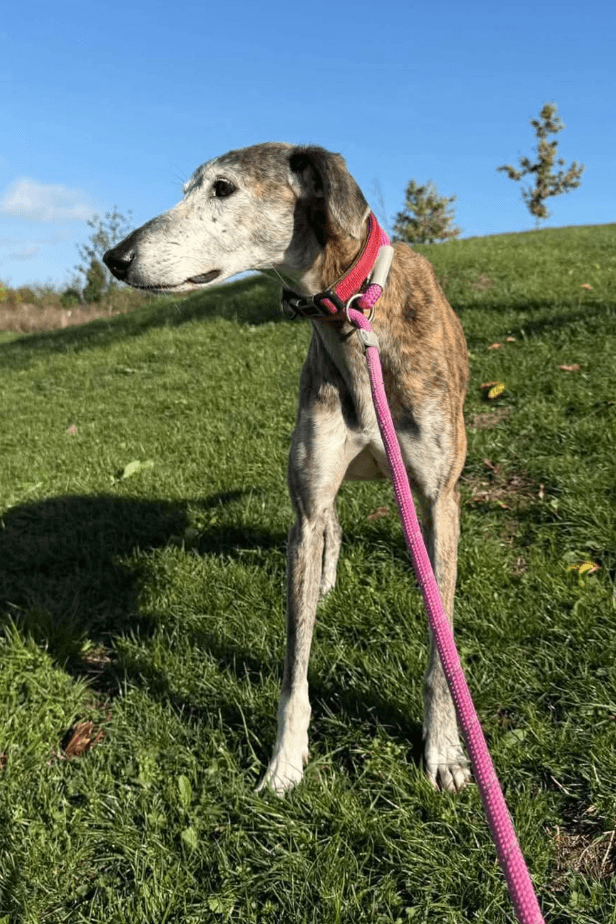
1 year • Female • White Lurcher
3 years • Female • Lurcher Cross
2 years • Male • Lurcher
1 year • Male • Lurcher
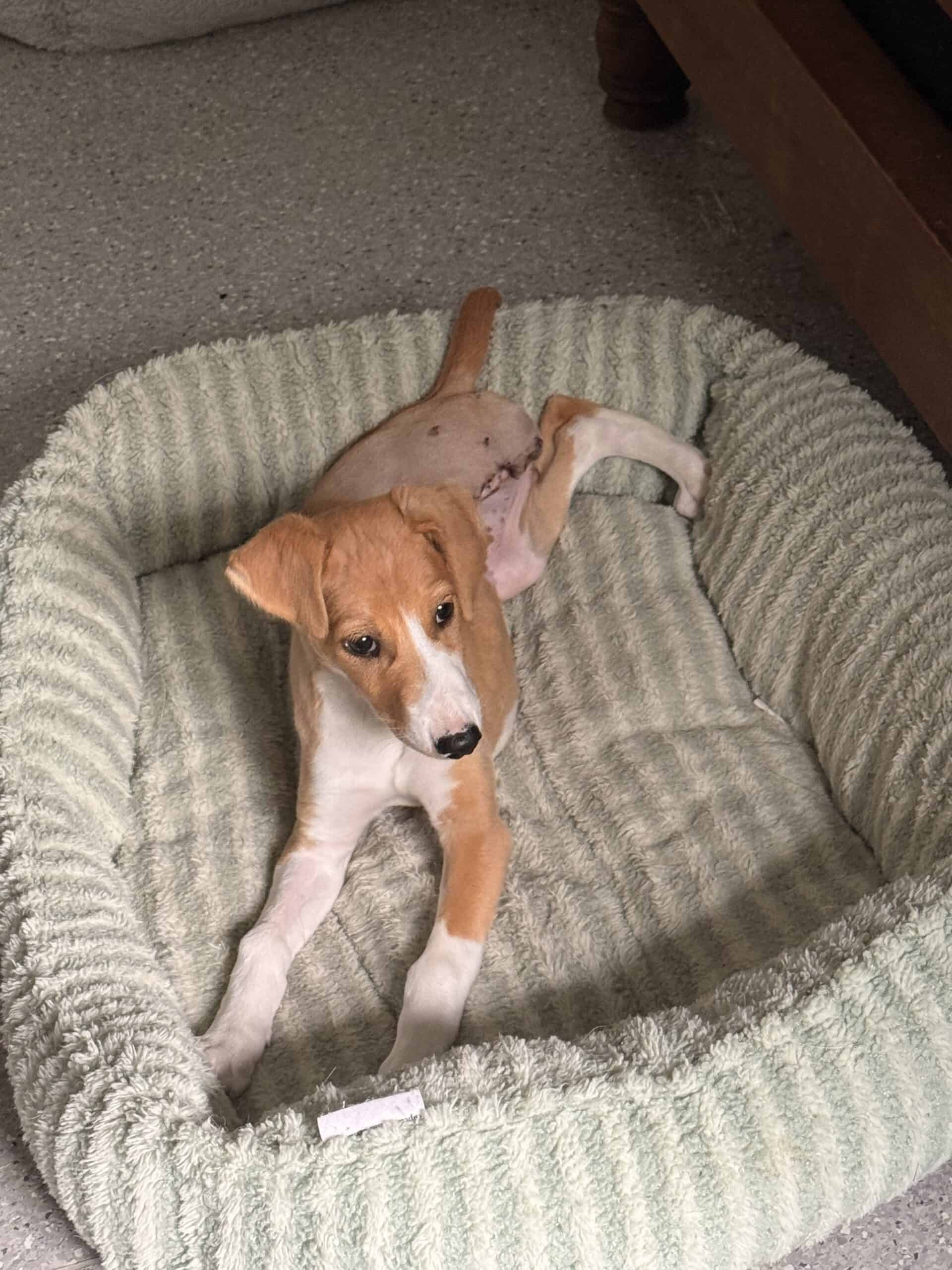
4 months • Female • Lurcher
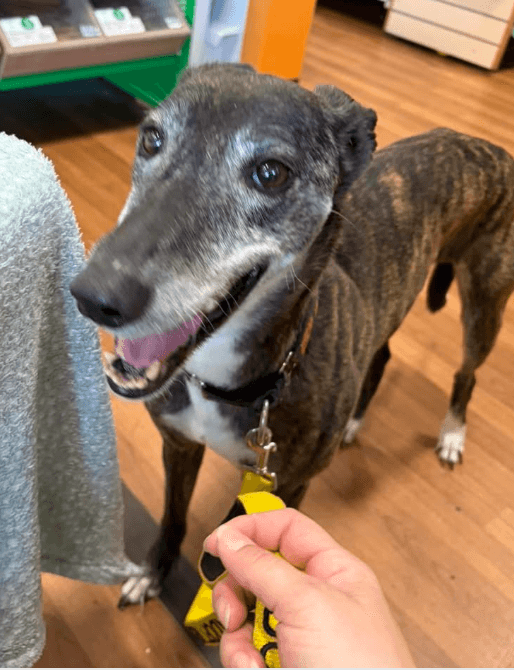
11 years • Female • Lurcher
5 years • Female • Lurcher
List your dog for free. Your dog stays at home until you find the right family, every listing is checked by a person, and you choose who adopts. Not sure yet? Read the rehoming guide first.
List your dog for free →168 lurchers are listed across the UK today, with 76 rescues. By age: 25 puppies, 106 adult dogs and 30 older dogs, plus 7 with no age given. 105 are male and 55 female. The newest was added on 13 November 2026.
Breed labels on rescue listings are often a best guess, and every dog is an individual. Read the profile, then ask the rescue about the dog’s history, what they can live with and the home they need.
| Type | A sighthound cross, not a recognised breed |
|---|---|
| Size | Medium |
| Exercise | Usually moderately active, with short bursts of activity |
| Grooming | Generally a weekly brush |
| Coat | Short or long, depending on the cross |
| Lifespan | Typically 12+ years |
A lurcher is a type, not a breed. Dogs Trust describes it as a sighthound, such as a Greyhound, Whippet or Saluki, crossed with another breed such as a Collie or Terrier. Edinburgh Dog and Cat Home says lurchers "are not actually a recognised breed".
Because the mix varies, lurchers vary a lot in size, coat and character. Battersea says some are calm and easy-going while others are more energetic, and that they are often sensitive dogs who respond well to positive, reward-based training. Edinburgh Dog and Cat Home describes them as gentle, loyal and loving, "and quite stubborn when they want to be", and says they are known for being food motivated, which helps with training.
The profile and the rescue are your best guide to what this dog is like.
Dogs Trust says lurchers are usually moderately active dogs who also enjoy lounging, and tend to enjoy short bursts of activity but could manage longer walks. Edinburgh Dog and Cat Home says they generally need moderate amounts of exercise, and Battersea says many don't need excessive amounts: daily walks, short bursts of running and play, and plenty of time to relax at home. Training and food-based games matter as much as the walking.
The big question is the chase. Battersea says many lurchers have a strong instinct to chase moving animals, and some may only be able to exercise off the lead in secure areas. It suggests budgeting for access to a secure field if you live in a built-up area. Ask the rescue whether this dog has good recall off the lead.
Edinburgh Dog and Cat Home says some sighthounds may have to wear a muzzle outside, depending on how strong their prey drive or reactive behaviour is, though not all need to.
Dogs Trust says how much a lurcher sheds depends on the length of its coat, but either way lurchers are relatively low maintenance and generally only need a weekly brush.
Short-coated lurchers feel the cold. Edinburgh Dog and Cat Home says short-coated sighthounds are thin-skinned and will need a jacket in winter, and PDSA says dogs with fine or thin fur, such as greyhounds and whippets, need a warm coat on cold-weather walks.
Battersea says lurchers are generally considered healthier than many pedigree breeds, but can still develop health problems. It mentions joint problems such as arthritis with age; strains, sprains, cuts and scrapes, because they are built for speed and have slim builds and thin skin; and dental problems, because their long, narrow jaws often leave little room for their teeth.
Edinburgh Dog and Cat Home adds that, as deep-chested dogs, lurchers can be at risk of bloat (gastric torsion), which can be fatal, and that a lurcher may be prone to health issues common to whichever breeds it is crossed with. Ask the rescue what vet checks the dog has had and whether any condition is known, and let your own vet advise after that.
Battersea says it often sees lurchers given up, "usually because people underestimate the complexities of the breed".
As of 14 November 2026, 168 lurchers are listed with rescues in the UK on LocalPetFinder: by their listed age, 25 puppies aged 12 months or under, 106 adults and 30 aged 7 or over. The rest have no age we can read, so check the profile.
35 of them are listed as a cross, as the rescue describes it: Lurcher Cross (14), Labrador x Lurcher (3) and Bull Lurcher Cross (2) and others. Breed labels on rescue listings are often a best guess from looks.
The rescues mark 80 as able to live with children, 1 with cats and 77 with other dogs. Where a profile says nothing, it doesn't mean no: ask the rescue.
Edinburgh Dog and Cat Home says lurchers can have a high prey drive, and that their natural instincts can kick in when they see other animals running, though this isn't an issue for every lurcher. Blue Cross says lurchers are a cross between a greyhound or other sighthound and another breed, often a terrier or herding breed, and often share similar traits to greyhounds.
Battersea says lurchers can make wonderful family companions and often form close bonds with their owners, but families should be ready for a dog whose exercise and behaviour needs vary with its breeding and personality. Whether this dog can live with cats, small pets or children is something the rescue will have assessed, so go by what it says.
Edinburgh Dog and Cat Home says many lurchers and sighthounds manage well in city centre homes, as long as they have access to outdoor spaces and plenty of exercise, though some rescue dogs need private outdoor space because they find public places difficult. Battersea suggests budgeting for a secure field for off-lead running if you live in a built-up area.
For greyhounds, a closely related sighthound, Battersea's walking advice recommends a well-fitted harness and a long line, clipped to the harness, rather than off-lead running in public places, and strongly advises against retractable leads.
Sources (checked 30 September 2026)
Breed descriptions are general. Every rescue animal is an individual, so the rescue's own assessment of the animal comes first.
Tap a question to expand
As of 14 November 2026, 168 lurchers are listed for adoption in the UK on LocalPetFinder, from Maxi's Mates, North Clwyd Animal Rescue, Rescue Remedies, Animal Care Lancaster Morecambe & District, Greyhound Gap, Mrs Murray's Home for Stray Dogs & Cats, Paws and People, Angels 4 Dogs Rescue, Animals In Need Northamptonshire, Ashbourne Animal Welfare, Birmingham Dogs Home, Eden Animal Rescue, Hull Animal Welfare Trust, Almost Home Animal Rescue NI, Carla Lane Animals in Need, Durham Dogs & Cats Home, Manchester & Cheshire Dogs' Home, Staffie & Stray Rescue, Thornberry Animal Sanctuary, Almost Home Dog Rescue, Animal Helpline, Foal Farm Animal Rescue, Gables Dogs & Cats Home, Greenacres Rescue, Jerry Green Dog Rescue, Kent Greyhound Rescue, Last Chance Animal Rescue, Leicester Animal Rescue, Many Tears Animal Rescue, Midlands Dog Rescue, Oxfordshire Animal Sanctuary, Pawprints Dog Rescue, RAIN Rescue, RATS Animal Rescue, Skylor's Animal Rescue, St Francis Dogs Home, Wallace Kennels Dog Rescue, West Wales Poundies Dog Rescue, All Creatures Great and Small, All Dogs Matter, Animal Rescue Centre (ARC) Ottery St Mary, Barnsley Animal Rescue Charity, Bleakholt Animal Sanctuary, Bryson's Animal Shelter, Cardiff Dogs Home, Cheltenham Animal Shelter, Cliffe Kennels & Rescue, Doris Banham Dog Rescue, Dumfries and Galloway Canine Rescue Centre, Edinburgh Dog and Cat Home, FAITH Animal Rescue, Forest Dog Rescue, Freshfields Animal Rescue, Greenleaf Animal Rescue, Heathlands Animal Sanctuary, K9 Crusaders Dog Welfare, Linbee Dog Rehoming, Margaret Green Animal Rescue (Lincoln Farm), Munlochy Animal Aid, National Animal Welfare Trust Cornwall, National Animal Welfare Trust Hertfordshire, Newcastle Dog & Cat Shelter, Norfolk & Suffolk Animal Trust, Northern Greyhound Rescue, Paws A While Shelter, Rushton Dog Rescue, Stokenchurch Dog Rescue, Suffolk Animal Rescue, The Kit Wilson Trust, Three Counties Dog Rescue, Tyrone Husky Rescue, Wellingborough Dog Welfare, Windyway Animal Rescue, Wolfwood, Woodside Animal Welfare Trust and 1 other rescue. Each profile links to the rescue, and you apply to adopt with them directly.
As of 14 November 2026, Maxi's Mates (at Guisborough): 13, North Clwyd Animal Rescue (at Trelogan): 8, Rescue Remedies (at Smallfield): 7, Animal Care Lancaster Morecambe & District (at Lancaster): 6, Greyhound Gap (at Kidsgrove): 5 and Mrs Murray's Home for Stray Dogs & Cats (at Aberdeen): 5, and 70 more. By age, that is 25 puppies, 106 adult dogs and 30 older dogs, plus 7 with no age given. The newest was added on 13 November 2026. Each profile links to the rescue, which handles the adoption.
With the rescue that has the dog. Today the lurchers on this page are with Maxi's Mates, North Clwyd Animal Rescue, Rescue Remedies, Animal Care Lancaster Morecambe & District, Greyhound Gap, Mrs Murray's Home for Stray Dogs & Cats and 70 other rescues. Open a profile and apply to that rescue: each one runs its own application, home check and adoption fee. We don't rehome animals ourselves.
A lurcher is a sighthound, such as a Greyhound, Whippet or Saluki, crossed with another breed such as a Collie or Terrier, as Dogs Trust puts it. It is a type rather than a recognised breed, so lurchers vary in size and coat.
A greyhound is a pedigree breed; a lurcher is a cross. Dogs Trust names the lurcher as one common greyhound crossbreed, a mix of a sighthound like a Greyhound, Saluki or Whippet with a Collie or Terrier, and says lurchers can be long-haired or short-haired. Blue Cross says they often share similar traits to greyhounds.
Usually a moderate amount. Dogs Trust says lurchers tend to enjoy short bursts of activity but could manage longer walks, and Battersea says many are happy with daily walks, short bursts of running and plenty of time to relax. Because lurchers vary, ask the rescue about this dog.
Some can, some can't. Battersea says many lurchers have a strong instinct to chase, and some may only be able to run off the lead in secure areas. Ask the rescue how this dog's recall is, and whether it has been seen around small animals.
Not all of them. Edinburgh Dog and Cat Home says some sighthounds may have to wear a muzzle outside, depending on the severity of their prey drive or reactive behaviour. The rescue will tell you if this dog wears one.
Short-coated ones do. Edinburgh Dog and Cat Home says short-coated sighthounds are thin-skinned and will need a jacket in winter, and PDSA says thin-furred dogs such as greyhounds and whippets need a warm coat on cold walks.
Dogs Trust says typically 12 or more years, and Battersea says 12 to 15. As a cross, a lurcher may be prone to health issues common to the breeds in its mix, so ask the rescue what vet checks this dog has had.
We only list dogs with rescues, so there is nothing to buy here: every lurcher on this page is adopted for the rescue's fee. If you decide to buy, Dogs Trust's breed guides suggest talking to your vet, and say some practices offer pre-purchase consultations covering likely health conditions and rough costs. With an adult rescue lurcher, the rescue can tell you how it is with other animals and off the lead.
It depends on the dog, not the breed. Today the rescues mark 80 of the 168 lurchers listed in the UK as able to live with children. Where a profile says nothing, ask the rescue what age of children the dog could live with.
Each rescue sets its own adoption fee. Battersea charges £230 for a dog over six months and £275 for a puppy under six months, Dogs Trust charges £300 for a puppy or adult dog in England, Wales and Scotland, and Blue Cross fees start from £235 for dogs aged 8 or over and £335 for dogs aged 1 to 7. The fee usually covers neutering, microchipping and first vaccinations, and each rescue confirms its own fee.
No. We don't list animals for sale. Every lurcher on this page is with a rescue or rehoming centre. Rescues rehome animals rather than selling them, usually for an adoption fee: for example, Battersea charges £230 for a dog over six months and £275 for a puppy under six months, and Dogs Trust £300. The fee usually goes towards vet work already done, such as neutering, microchipping and first vaccinations. If you searched "lurcher puppies for sale", the lurchers here are the rescue route: you apply to the rescue and pay its adoption fee, not a sale price.
Usually not. UK rescues normally ask for an adoption fee, which pays towards neutering, microchipping and vaccinations. Many rescue fees are under £500: Battersea charges £230 for a dog over six months, Dogs Trust £300, and Blue Cross from £235 for dogs aged 8 or over. An animal offered "free to a good home" is usually a private advert rather than a rescue. All dogs in the UK must be microchipped by 8 weeks old, and in England, Wales and Scotland a dog can't pass to a new keeper until it is chipped, so ask to see the microchip details.
Yes: 25 puppies of the 168 listed in the UK are 12 months or under by the listed age.
Yes: 30 lurchers of the 168 listed in the UK are aged 7 or over by the listed age. Some rescues charge less for older dogs: Blue Cross fees start from £235 for dogs aged 8 or over.
This page lists every lurcher with the rescues we list across the UK, each with its town. For a city, see lurchers in Aberdeen, Belfast, Birmingham, Bournemouth, Christchurch and Poole, Brecon, Brighton and Hove, Bristol, Cambridge, Canterbury, Cardiff, Carlisle, Dumfries and Galloway, Edinburgh, Exeter, Glasgow, Ipswich, Kendal, Kingston upon Hull, Leeds, Lincoln, Liverpool, London, Manchester, Middlesbrough, Newcastle upon Tyne, North Wales, Northampton, Norwich, Nottingham, Oxford, Perth, Peterborough, Plymouth, Portsmouth, Preston, Sheffield, Shrewsbury, Stoke-on-Trent, Swansea, Taunton, Truro and Worcester. You can also search by postcode with the pet finder on our home page to see what is closest to you.
Need to rehome your lurcher? Read our lurcher rehoming guide →
Not sure which breed suits you? Take our dog breed quiz →