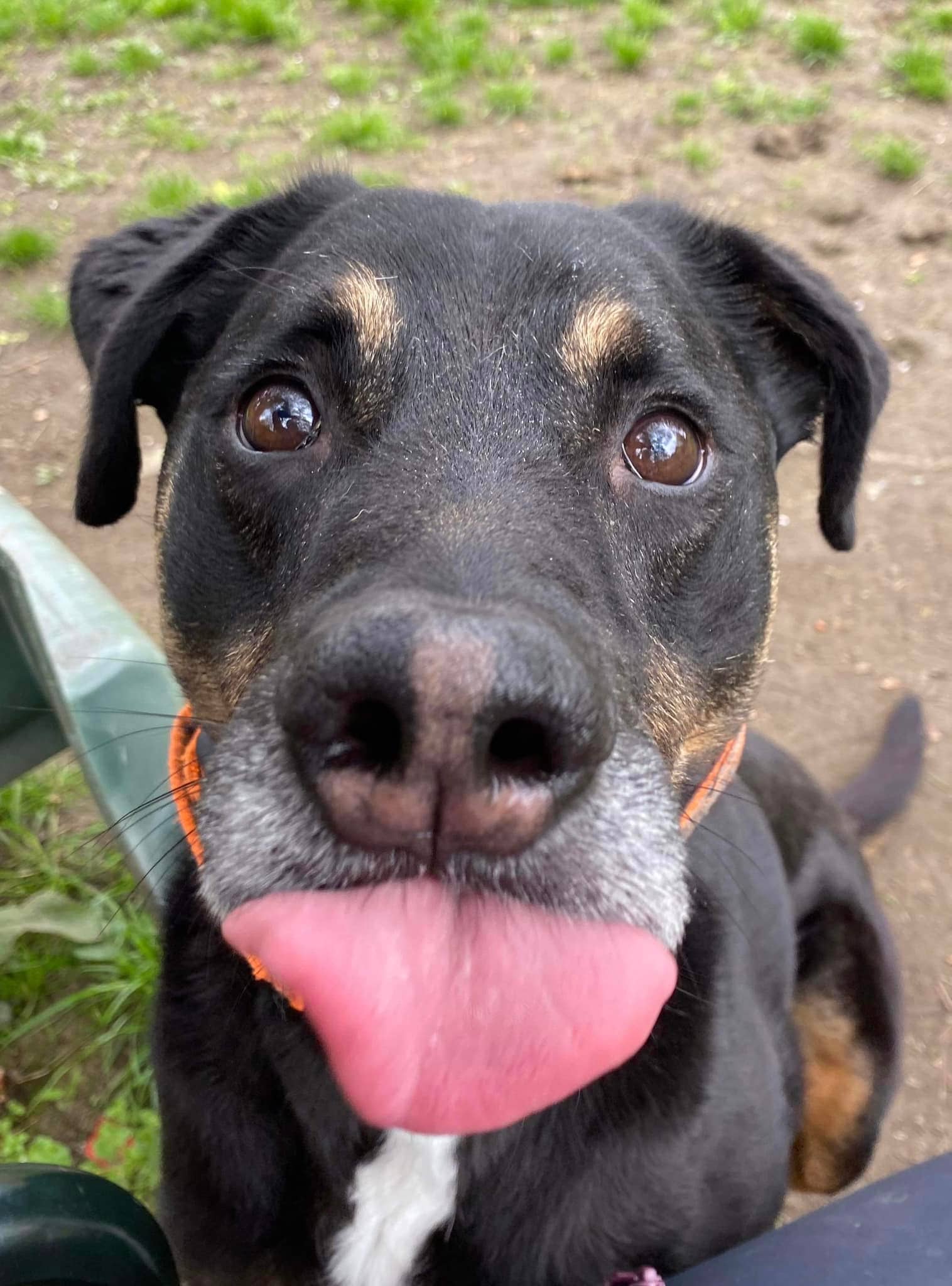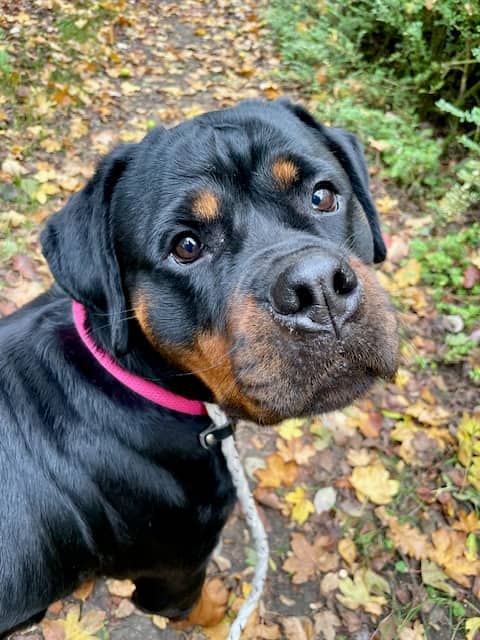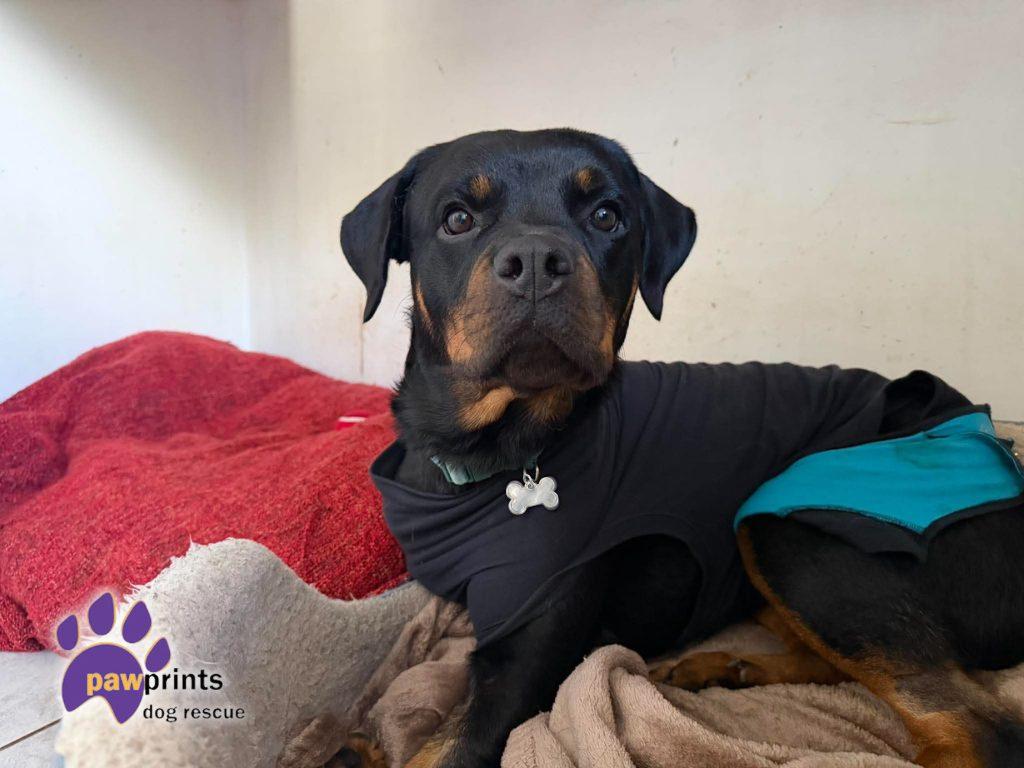
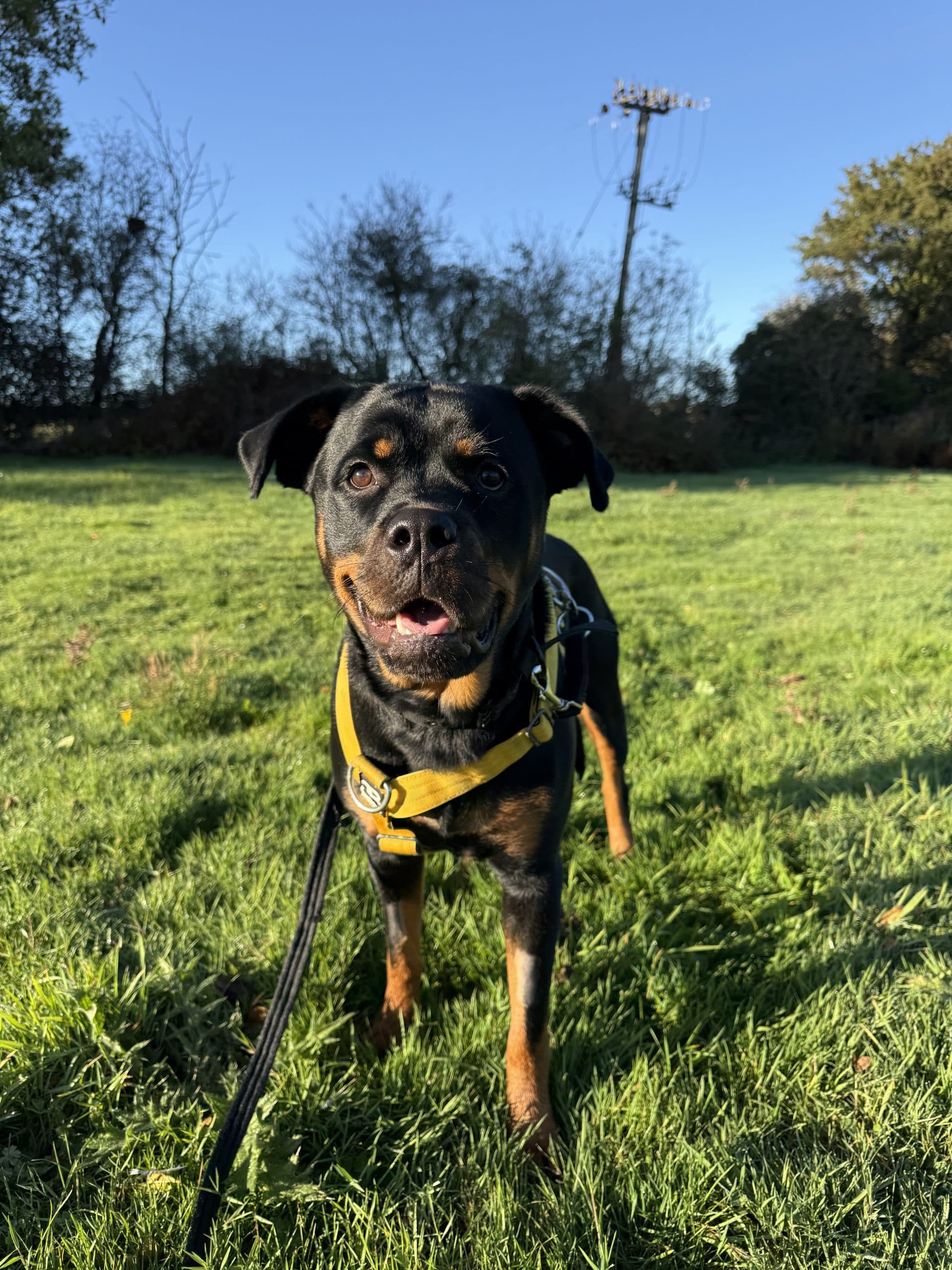
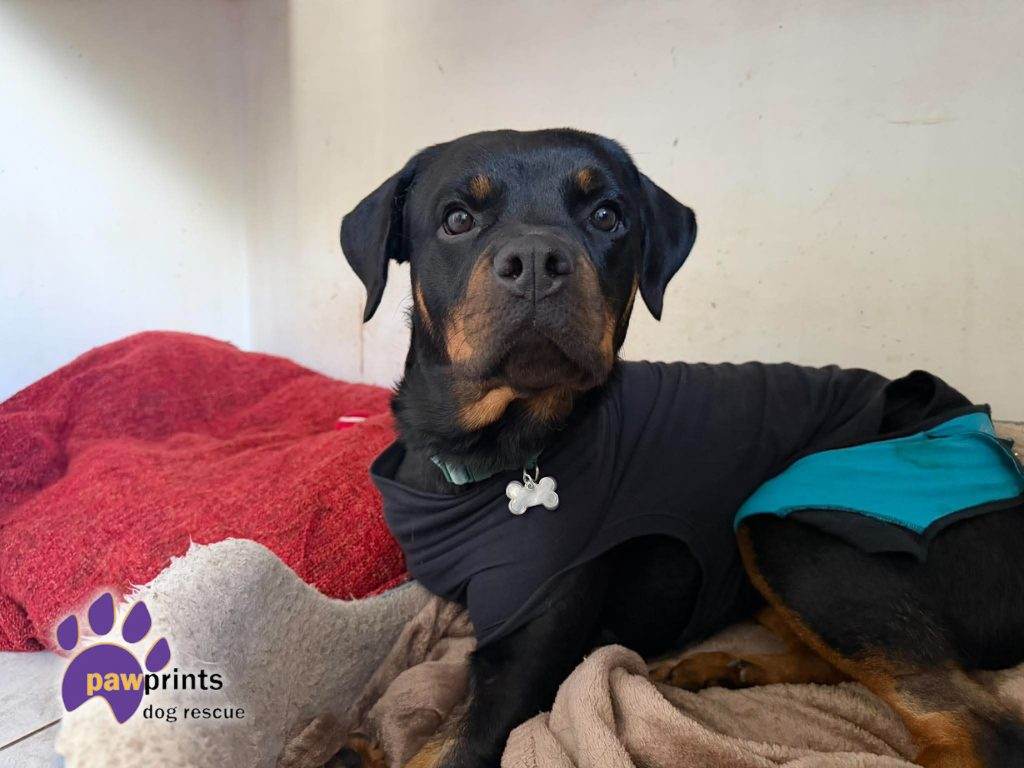
Hope
1 year • Female • Rottweiler
Largehigh energyMissing a limb
Pawprints Dog Rescue· Monks Kirby
Meet Hope →Rottweilers and Rottweiler crosses looking for new homes with rescues and rehoming centres across the UK, gathered in one place. Adult Rottweilers are usually large dogs, though crosses can vary.
22 listed across the UK from 17 rescues
Twelve months old or under, listed by rescues and rehoming centres. Each one links to the rescue to apply.
Showing 22 dogs
Never miss new Rottweilers
Be first to know when new Rottweilers are listed across the UK. No spam, unsubscribe any time.
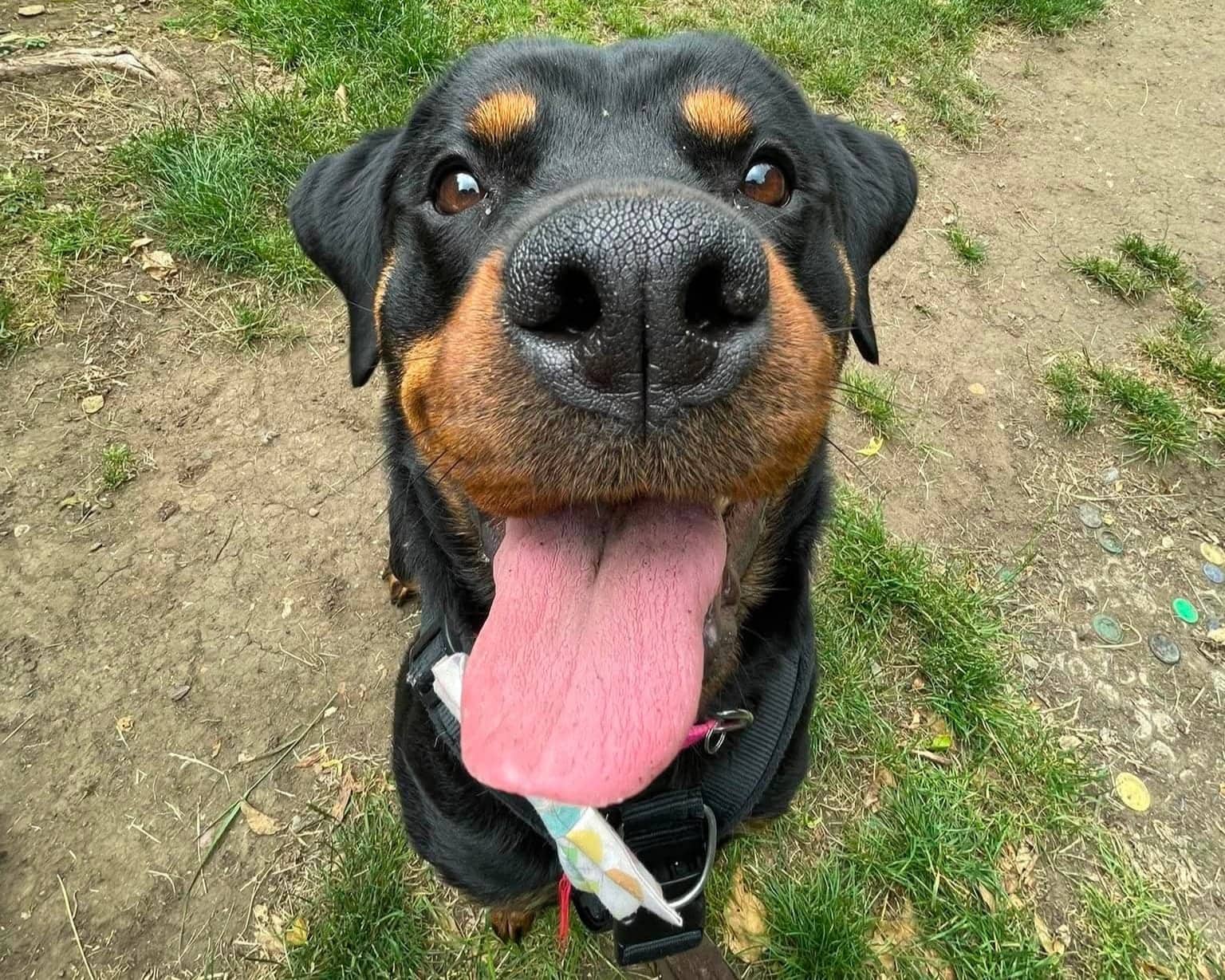
1 year • Female • Rottweiler
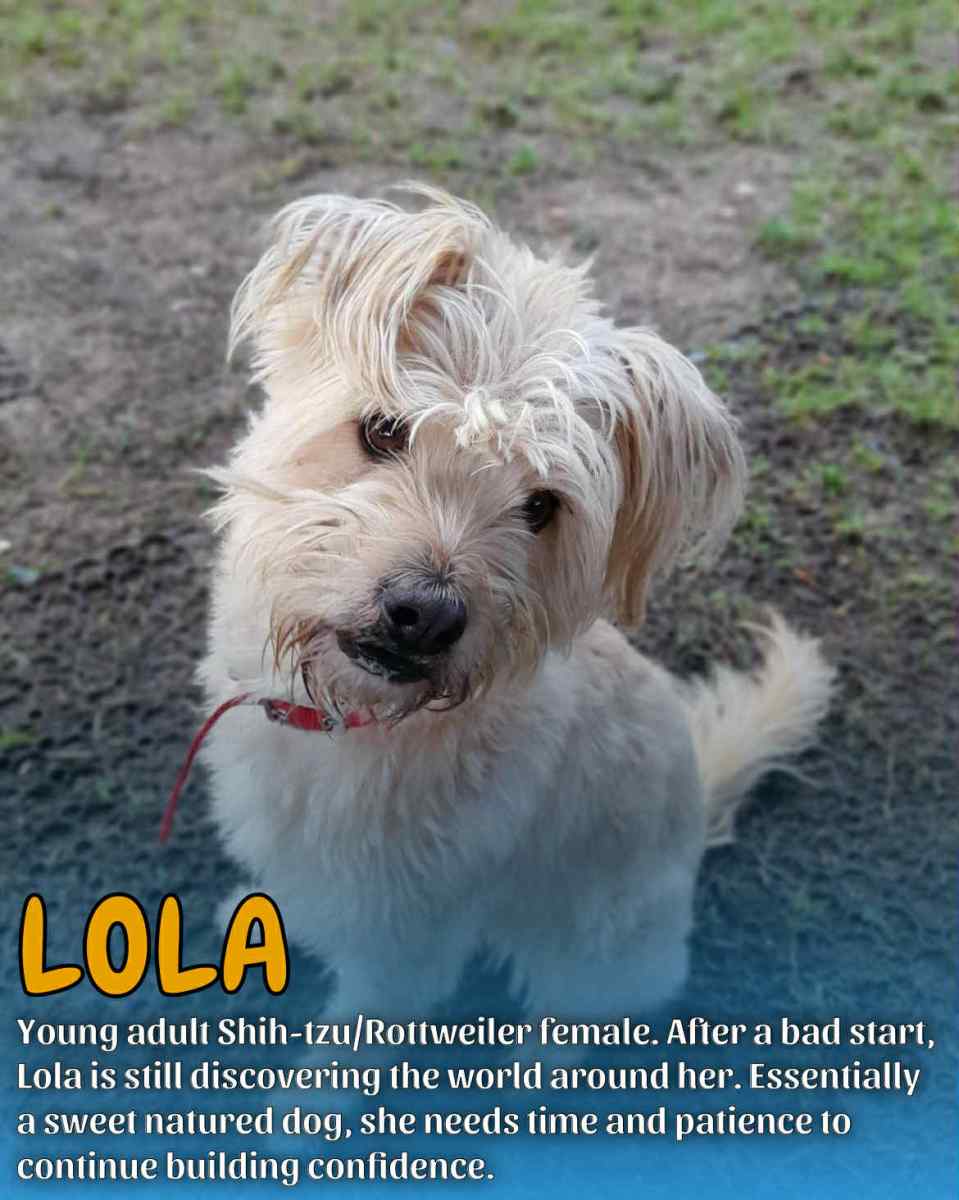
4 years • Male • Rottweiler
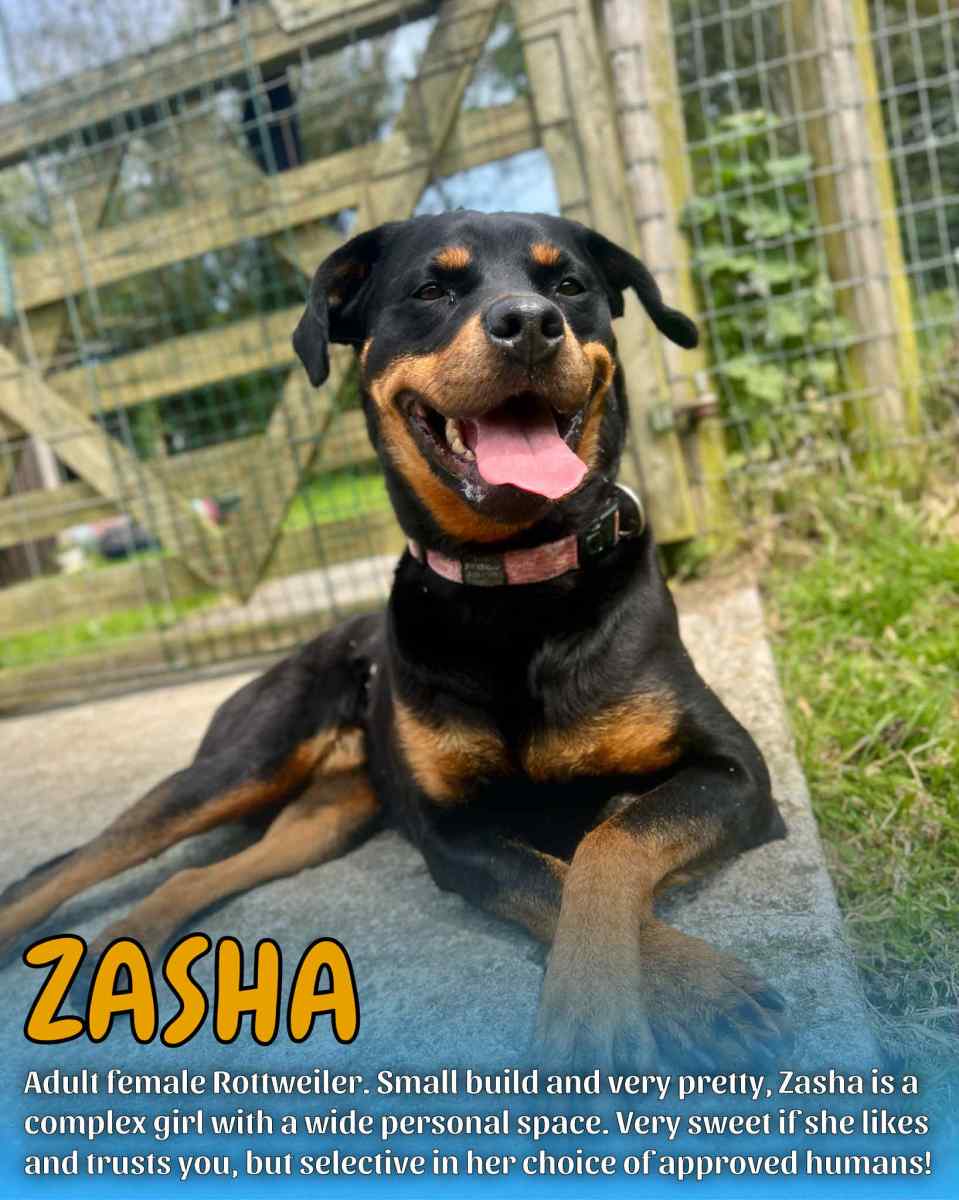
2 years • Female • Rottweiler
2 years, 8 months • Female • Rottweiler
5 years • Female • Rottweiler
4 years • Female • Rottweiler
List your dog for free. Your dog stays at home until you find the right family, every listing is checked by a person, and you choose who adopts. Not sure yet? Read the rehoming guide first.
List your dog for free →22 rottweilers are listed across the UK today, with 17 rescues. By age: 2 puppies, 16 adult dogs and 4 older dogs. 7 are male and 15 female. The newest was added on 7 November 2026.
Breed labels on rescue listings are often a best guess, and every dog is an individual. Read the profile, then ask the rescue about the dog’s history, what they can live with and the home they need.
| Breed group | Working |
|---|---|
| Size | Large |
| Height (breed standard) | Dogs 63 to 69 cm, bitches 58 to 64 cm at the shoulder |
| Exercise | More than 2 hours a day |
| Size of home | Large house with a large garden |
| Grooming | Once a week |
| Coat | Short (sheds) |
| Lifespan | Under 10 years |
The Rottweiler was developed in the German market town of Rottweil as a drovers' dog that could also guard. The Royal Kennel Club describes it as a "strong, intelligent and protective German drover's dog" and says it is "territorial and protective of his owner and his property". It adds that in modern times the breed has been used by the armed forces and the police.
The same page says the breed "has often suffered from bad press", that it "needs responsible and intelligent owners who can harness the Rottweiler's intelligence and activity", and that "a well-trained Rottweiler makes a wonderful family companion". The breed standard describes the ideal temperament as "good natured, not nervous, aggressive or vicious", with natural guarding instincts.
PDSA says Rottweilers thrive with someone who understands the breed and recognises the need for early socialisation and consistent, reward-based training, and that because they are so powerful they need an experienced owner. Dogs Trust adds that every Rottweiler has its own personality, shaped by its own experiences. A rescue Rottweiler is an individual and may be a cross. The rescue knows how this particular dog behaves at home, on the lead and with visitors, so ask them.
The Royal Kennel Club lists the Rottweiler as large and needing more than two hours of exercise a day. It suggests a large house with a large garden, in town or country.
Dogs Trust calls Rottweilers "high-energy dogs who need lots of exercise to keep them physically and mentally healthy", and says the breed could suit you if you love spending active time outdoors. PDSA suggests at least two hours a day, made up of interesting walks, playtime, time in a secure garden and thinking games, and says a Rottweiler with good recall can go off lead in safe places.
The coat is short and needs grooming about once a week, though it does shed. Dogs Trust and PDSA both say Rottweilers shed more in spring and autumn, when you may want to brush more often.
The Royal Kennel Club asks Rottweiler breeders to DNA test for juvenile laryngeal paralysis and polyneuropathy (JLPP) and to have hips and elbows scored for dysplasia. Its best practice list adds a DNA test for leukoencephalomyelopathy (LEMP-2) and eye testing. It lists the breed's lifespan as under 10 years. Its Breed Watch asks show judges to look out for an excessively short muzzle, incorrect hind conformation or poor rear movement, and eyelids turned inwards or outwards.
PDSA lists conditions Rottweilers more commonly develop, including a heart condition called subaortic stenosis, cruciate ligament damage, hip and elbow dysplasia, inherited eye diseases and certain cancers, especially bone cancer and lymphoma.
A rescue dog's parents may not have been health tested, so ask the rescue what vet checks the dog has had and whether any condition is known. Your own vet is the right person to advise on anything you notice later.
As of 14 November 2026, 22 Rottweilers are listed with rescues in the UK on LocalPetFinder: by their listed age, 2 puppies aged 12 months or under, 16 adults and 4 aged 7 or over.
8 of them are listed as a cross, as the rescue describes it: Rottweiler Cross (2), Collie Cross Rottweiler and Doberman x Rottweiler and others. Breed labels on rescue listings are often a best guess from looks.
The rescues mark 3 as able to live with children and 2 with other dogs. Where a profile says nothing, it doesn't mean no: ask the rescue.
The Royal Kennel Club says a well-trained Rottweiler makes a wonderful family companion. PDSA says Rottweilers are incredibly strong and can make great pets for families with older children, but it would not recommend them for homes with younger children and babies, and says never to leave a Rottweiler unattended with smaller pets. Whether a particular rescue Rottweiler can live with children, cats or other dogs depends on the dog, so go by the rescue's own assessment, which is often noted on the profile.
The breed standard gives a height at the shoulder of 63 to 69 cm for dogs and 58 to 64 cm for bitches, and describes a "compact and powerful form". It notes that the standard describes the ideal, so a dog may be larger or smaller.
PDSA says Rottweilers need an experienced owner who understands them and trains them with positive, reward-based methods, and that you will need plenty of time to spend with the dog. It also says Rottweilers have a natural guarding instinct and may become possessive over things like food, so feed them somewhere quiet. Ask the rescue what experience they are looking for in an adopter for this dog.
PDSA also notes that it is illegal to crop a dog's ears in the UK, a practice once common in Rottweilers.
Sources (checked 30 September 2026)
Breed descriptions are general. Every rescue animal is an individual, so the rescue's own assessment of the animal comes first.
Tap a question to expand
As of 14 November 2026, 22 Rottweilers are listed for adoption in the UK on LocalPetFinder, from North Clwyd Animal Rescue, K9 Crusaders Dog Welfare, Little Paws Rescue NI, Rescue Remedies, Birch Hill Dog Rescue, Cheltenham Animal Shelter, Dumfries and Galloway Canine Rescue Centre, Last Chance Animal Rescue, Leicester Animal Rescue, Manchester & Cheshire Dogs' Home, Many Tears Animal Rescue, Oak Tree Animals' Charity, Pawprints Dog Rescue, RAIN Rescue, Stokenchurch Dog Rescue, Teckels Animal Sanctuaries and Warrington Animal Welfare. Each profile links to the rescue, and you apply to adopt with them directly.
As of 14 November 2026, North Clwyd Animal Rescue (at Trelogan): 3, K9 Crusaders Dog Welfare (at Truro): 2, Little Paws Rescue NI (at Craigavon): 2, Rescue Remedies (at Smallfield): 2, Birch Hill Dog Rescue (at Neen Sollars): 1 and Cheltenham Animal Shelter (at Cheltenham): 1, and 11 more. By age, that is 2 puppies, 16 adult dogs and 4 older dogs. The newest was added on 7 November 2026. Each profile links to the rescue, which handles the adoption.
With the rescue that has the dog. Today the Rottweilers on this page are with North Clwyd Animal Rescue, K9 Crusaders Dog Welfare, Little Paws Rescue NI, Rescue Remedies, Birch Hill Dog Rescue, Cheltenham Animal Shelter and 11 other rescues. Open a profile and apply to that rescue: each one runs its own application, home check and adoption fee. We don't rehome animals ourselves.
More than two hours a day, according to The Royal Kennel Club. PDSA says at least two hours, including walks, play, time in a secure garden and thinking games. Ask the rescue about this dog, as age and health make a difference.
The Royal Kennel Club gives the Rottweiler a lifespan of under 10 years, while Dogs Trust says typically 10 or more. For a rescue dog, ask the rescue what vet checks it has had, and ask your own vet about its health.
The charities suggest experience. PDSA says Rottweilers need an experienced owner because they are so powerful, and The Royal Kennel Club says the breed "needs responsible and intelligent owners". Some rescue Rottweilers may suit a less experienced home, so ask the rescue what they are looking for.
The Royal Kennel Club suggests a large house with a large garden for the Rottweiler, and more than two hours of exercise a day. If you live in a flat, talk to the rescue about whether this particular dog could settle there.
No. The banned types in the UK are the Pit Bull Terrier, Japanese Tosa, Dogo Argentino, Fila Brasileiro and XL Bully, according to gov.uk, and the Rottweiler is not one of them. Gov.uk says whether a dog is a banned type depends on what it looks like rather than its breed or name.
Yes. The Royal Kennel Club lists the short coat as shedding and needing grooming once a week, and Dogs Trust says they shed more in spring and autumn.
We only list dogs with rescues, so there is nothing to buy here: every Rottweiler on this page is adopted for the rescue's fee. If you decide to buy, The Royal Kennel Club runs a Find a Puppy service, and Dogs Trust suggests talking to your vet, and says some practices offer pre-purchase consultations covering likely health conditions, rough costs, finding a responsible breeder and testing for inheritable diseases. With an adult rescue Rottweiler, the rescue can tell you about its temperament, training and vet history.
It depends on the dog, not the breed. Today the rescues mark 3 of the 22 Rottweilers listed in the UK as able to live with children. Where a profile says nothing, ask the rescue what age of children the dog could live with.
Each rescue sets its own adoption fee. Battersea charges £230 for a dog over six months and £275 for a puppy under six months, Dogs Trust charges £300 for a puppy or adult dog in England, Wales and Scotland, and Blue Cross fees start from £235 for dogs aged 8 or over and £335 for dogs aged 1 to 7. The fee usually covers neutering, microchipping and first vaccinations, and each rescue confirms its own fee.
No. We don't list animals for sale. Every Rottweiler on this page is with a rescue or rehoming centre. Rescues rehome animals rather than selling them, usually for an adoption fee: for example, Battersea charges £230 for a dog over six months and £275 for a puppy under six months, and Dogs Trust £300. The fee usually goes towards vet work already done, such as neutering, microchipping and first vaccinations. If you searched "rottweiler puppies for sale", the Rottweilers here are the rescue route: you apply to the rescue and pay its adoption fee, not a sale price.
Usually not. UK rescues normally ask for an adoption fee, which pays towards neutering, microchipping and vaccinations. Many rescue fees are under £500: Battersea charges £230 for a dog over six months, Dogs Trust £300, and Blue Cross from £235 for dogs aged 8 or over. An animal offered "free to a good home" is usually a private advert rather than a rescue. All dogs in the UK must be microchipped by 8 weeks old, and in England, Wales and Scotland a dog can't pass to a new keeper until it is chipped, so ask to see the microchip details.
Yes: 2 puppies of the 22 listed in the UK are 12 months or under by the listed age.
Yes: 4 Rottweilers of the 22 listed in the UK are aged 7 or over by the listed age. Some rescues charge less for older dogs: Blue Cross fees start from £235 for dogs aged 8 or over.
This page lists every Rottweiler with the rescues we list across the UK, each with its town. For a city, see Rottweilers in Aberdeen, Belfast, Birmingham, Bournemouth, Christchurch and Poole, Brecon, Brighton and Hove, Bristol, Cambridge, Canterbury, Cardiff, Carlisle, Dumfries and Galloway, Edinburgh, Exeter, Glasgow, Ipswich, Kendal, Kingston upon Hull, Leeds, Lincoln, Liverpool, London, Manchester, Middlesbrough, Newcastle upon Tyne, North Wales, Northampton, Norwich, Nottingham, Oxford, Perth, Peterborough, Plymouth, Portsmouth, Preston, Sheffield, Shrewsbury, Stoke-on-Trent, Swansea, Taunton, Truro and Worcester. You can also search by postcode with the pet finder on our home page to see what is closest to you.
Need to rehome your Rottweiler? Read our Rottweiler rehoming guide →
Not sure which breed suits you? Take our dog breed quiz →