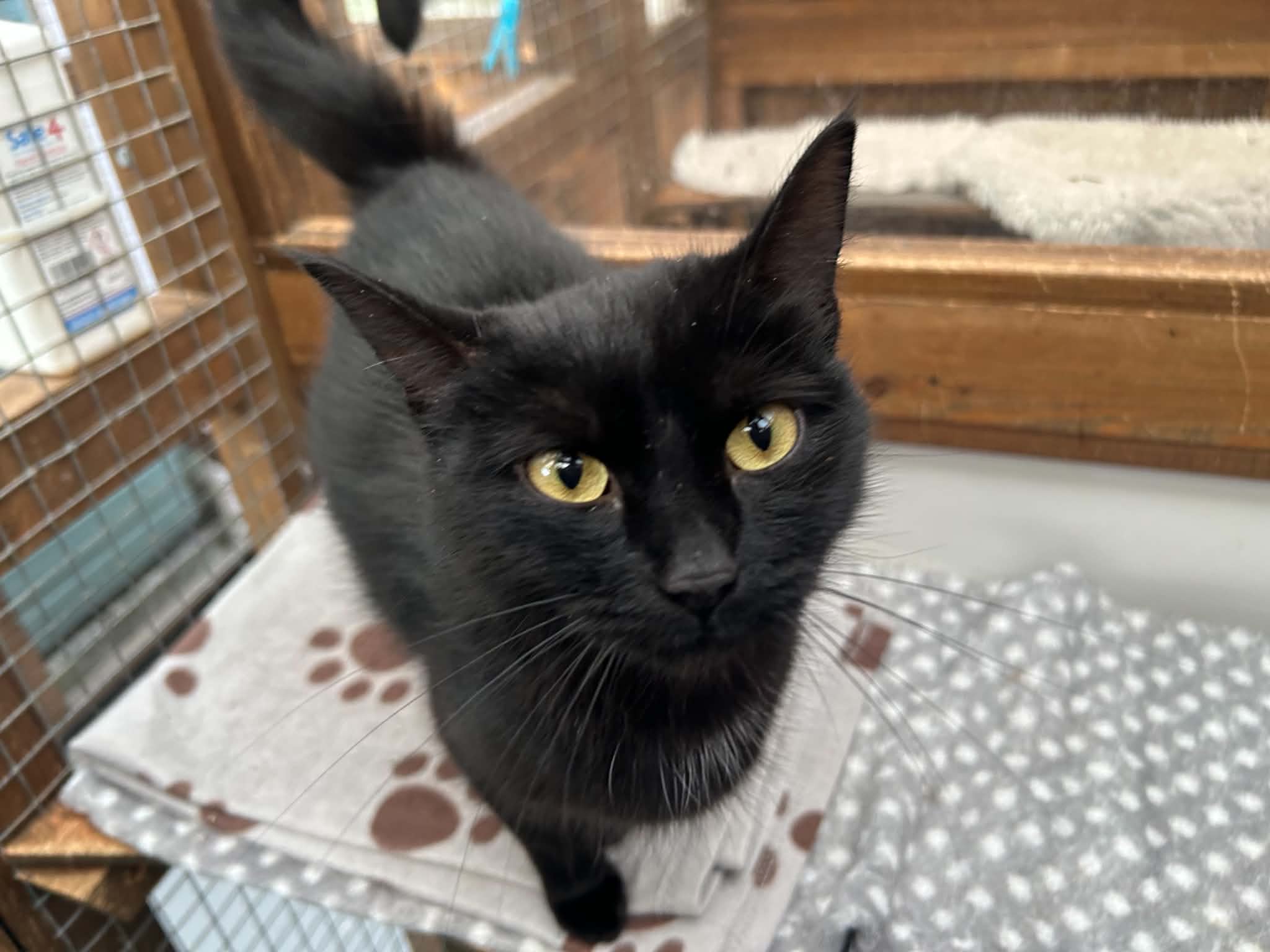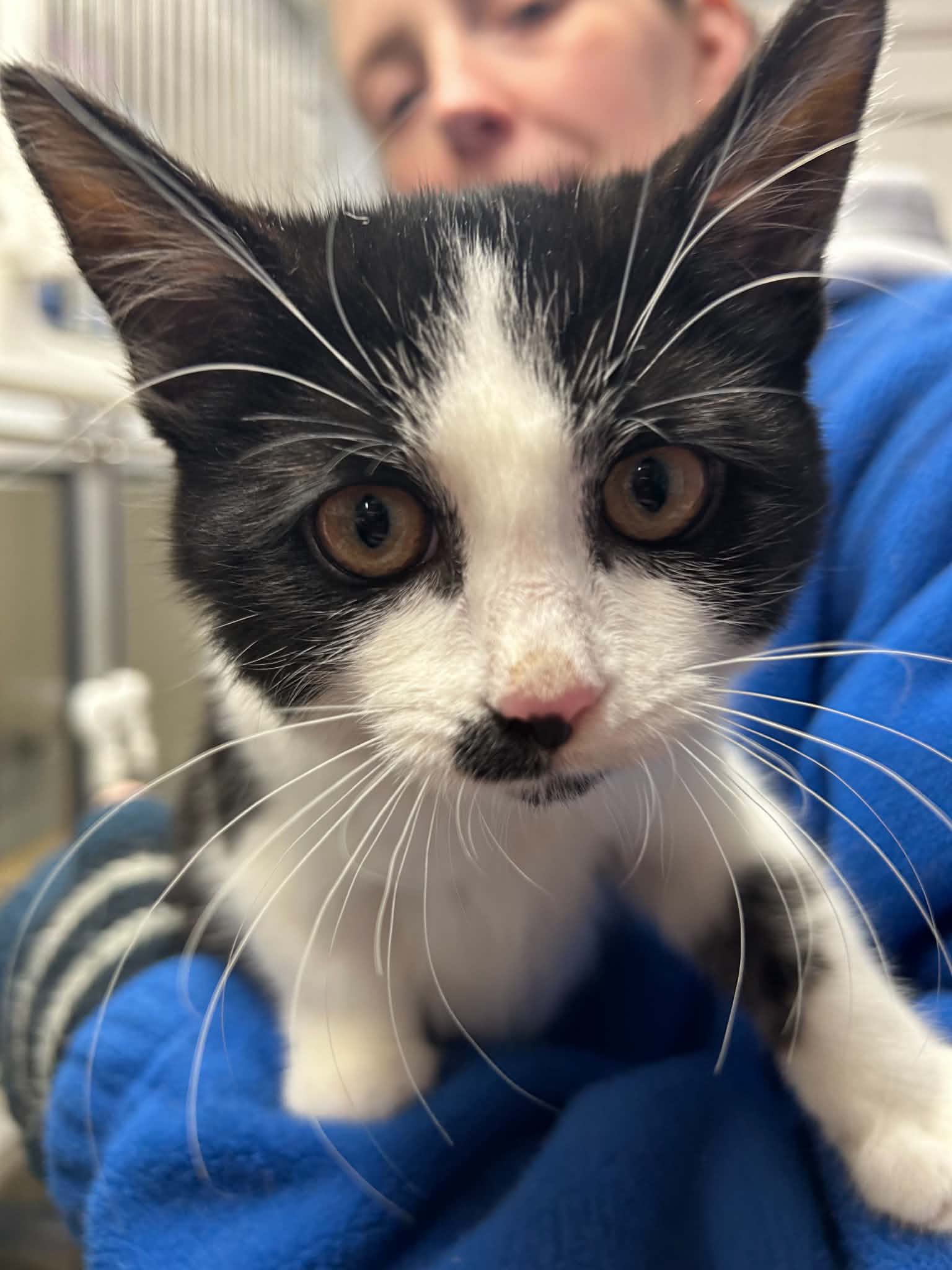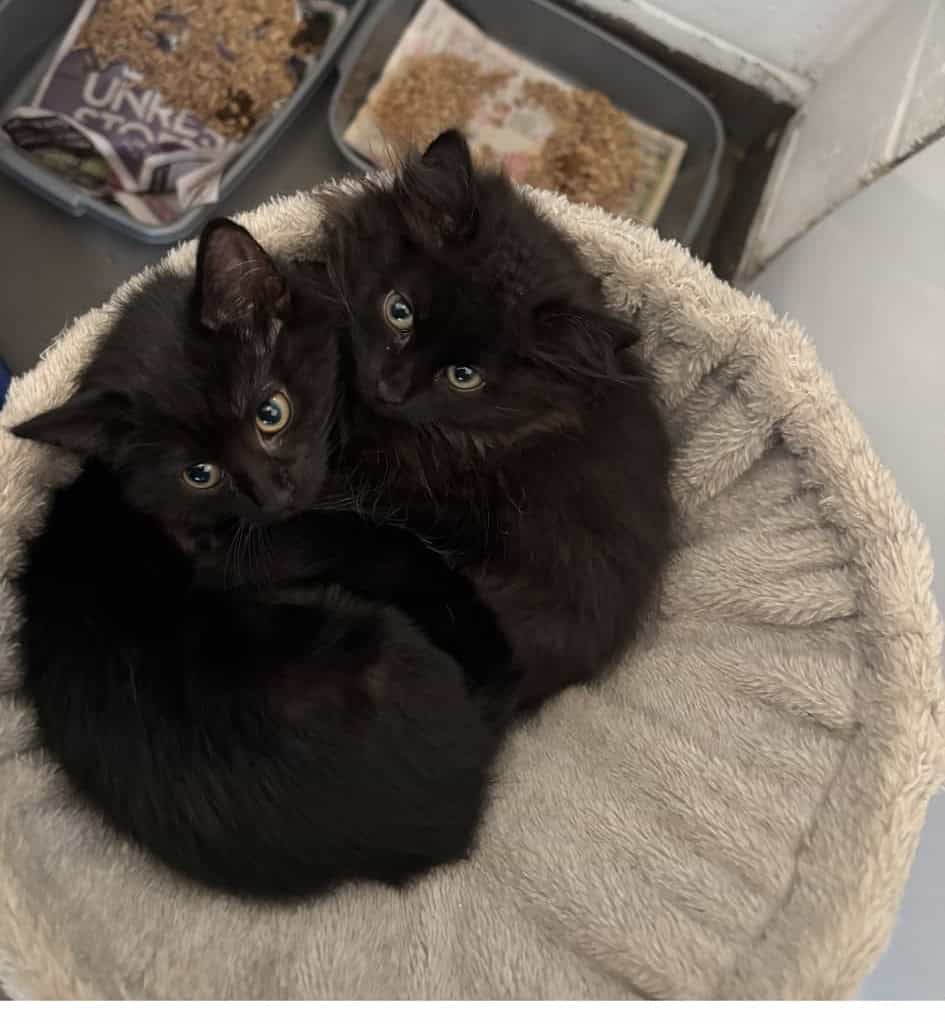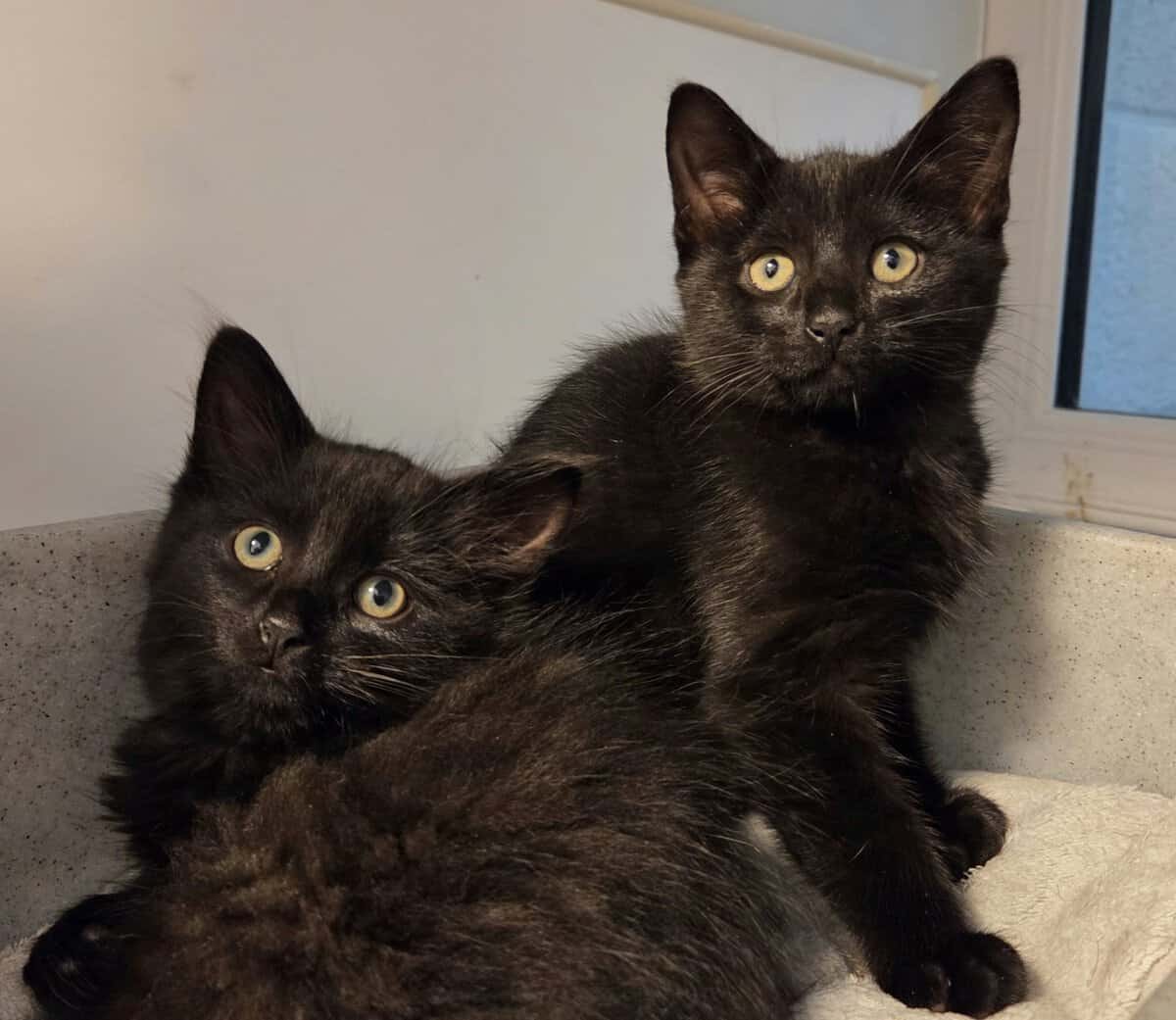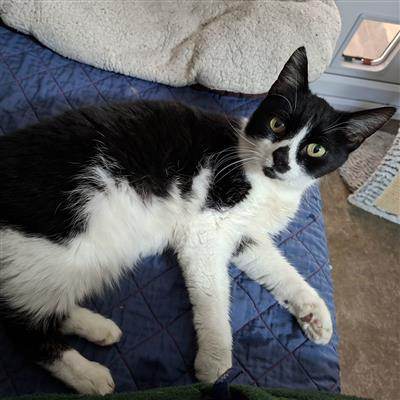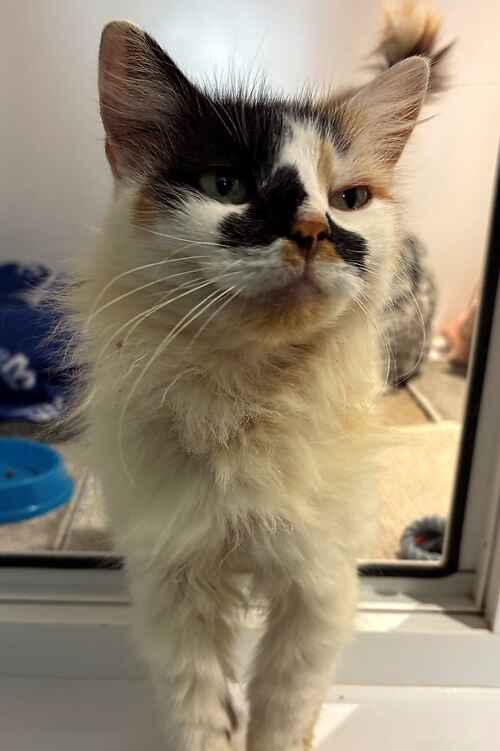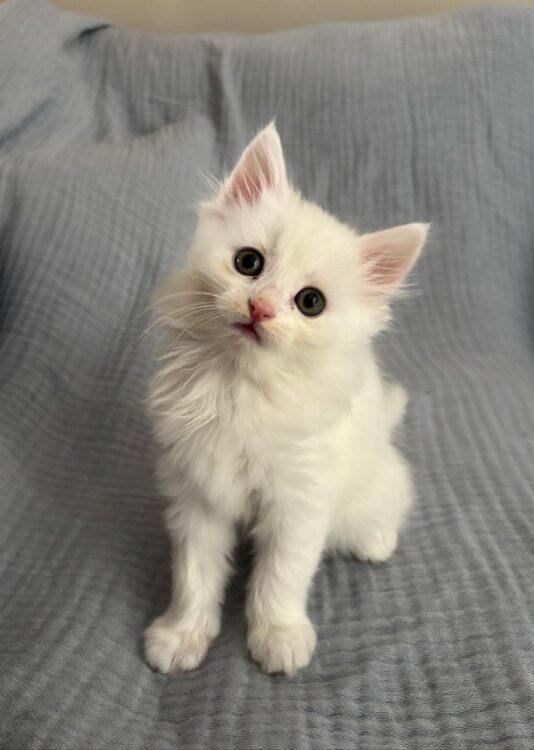
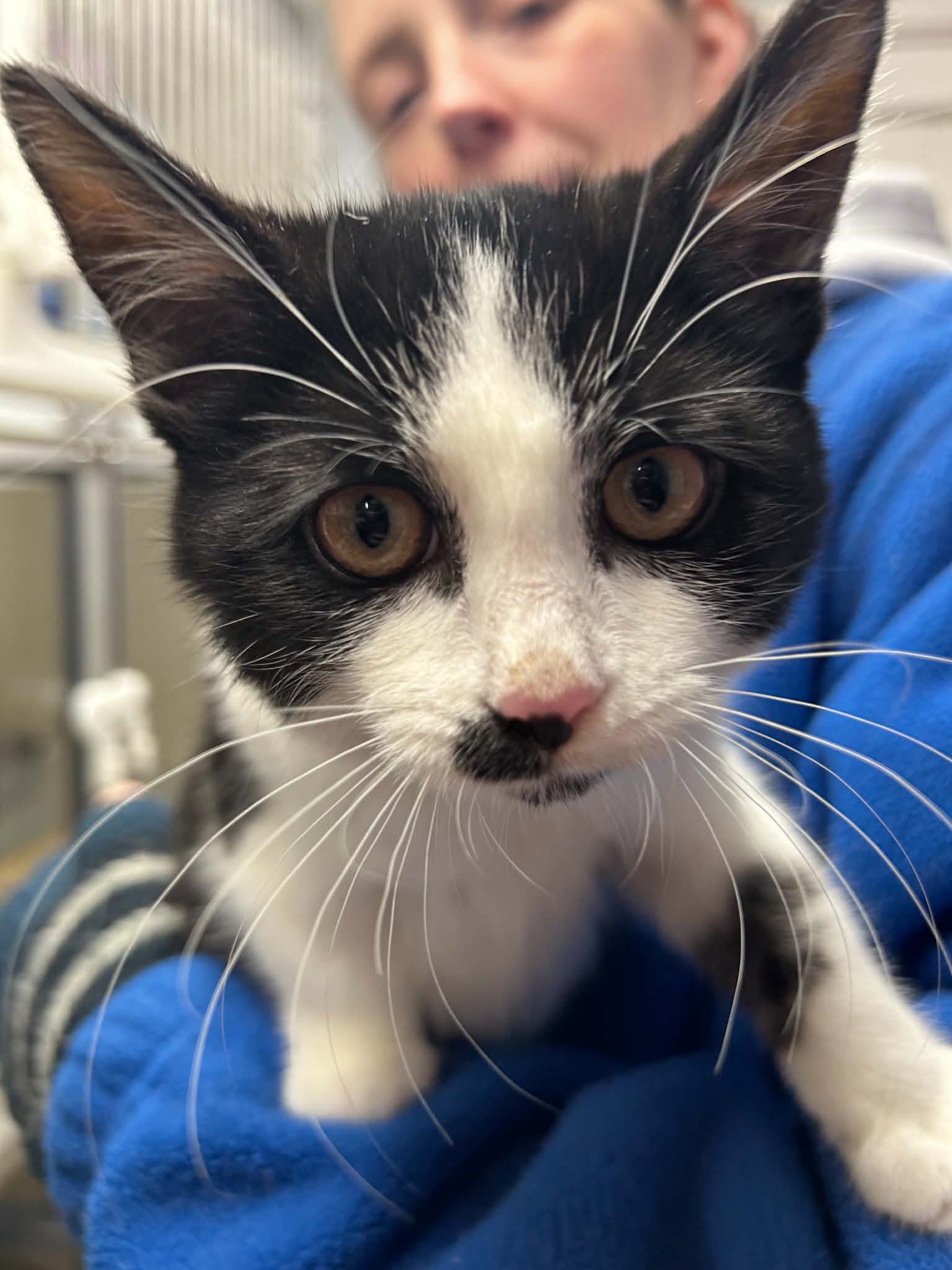
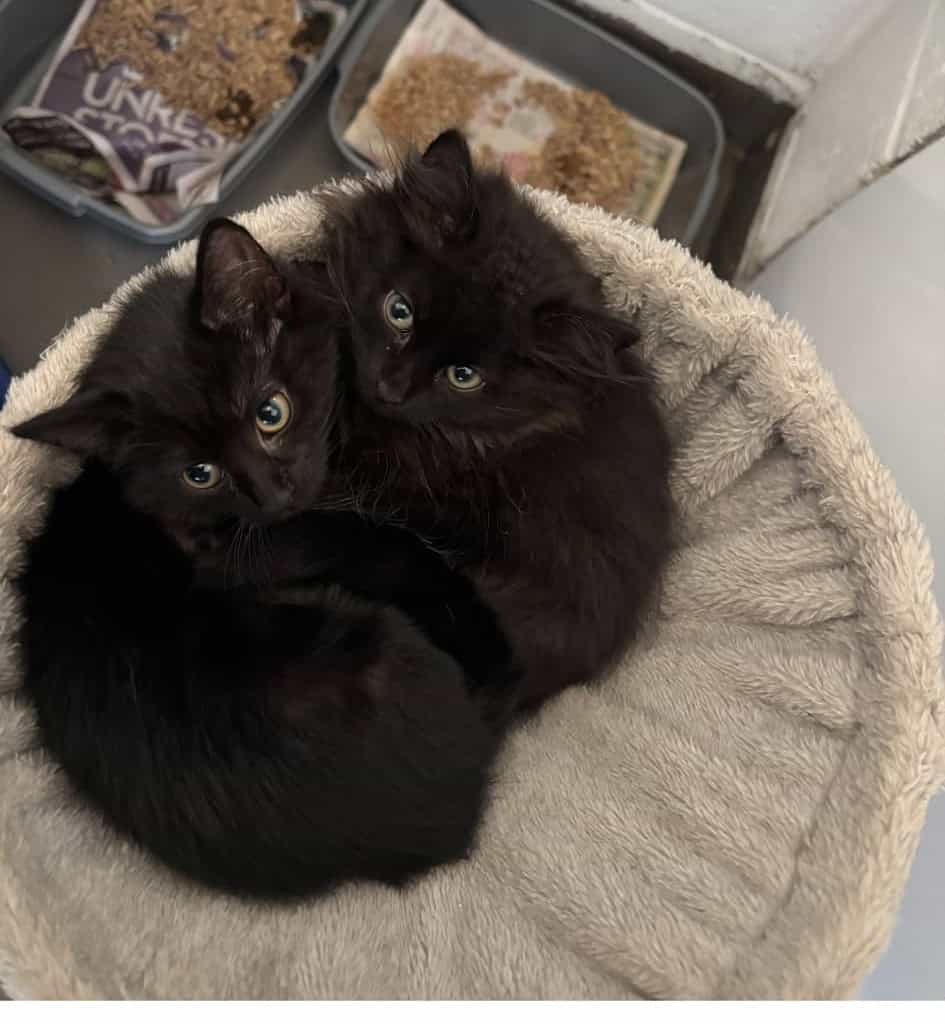

Miso & Soba
9-10 weeks • Female • Domestic Longhair
high energy
Can live with:ChildrenOther cats
Croydon Animal Samaritans· London
Meet Miso & Soba →Domestic Longhairs looking for new homes with rescues and rehoming centres across the UK. These are everyday non-pedigree cats, often called moggies.
69 listed across the UK from 30 rescues
Twelve months old or under, listed by rescues and rehoming centres. Each one links to the rescue to apply.
Showing 69 cats
Never miss new Domestic Longhair cats
Be first to know when new Domestic Longhair cats are listed across the UK. No spam, unsubscribe any time.
9-10 weeks • Female • Domestic Longhair
1 year, 6 months • Female • Domestic Semi-Longhair
3 months • Female • Domestic Semi-Longhair
4 months • Domestic Longhair
12 weeks • Domestic Semi Long Hair
9 weeks • Domestic Semi Long Hair
14 years • Female • Domestic Semi Long Hair
2 years • Female • Domestic Longhair
List your cat for free. Your cat stays at home until you find the right family, every listing is checked by a person, and you choose who adopts. Not sure yet? Read the rehoming guide first.
List your cat for free →69 domestic longhair cats are listed across the UK today, with 30 rescues. By age: 19 kittens, 36 adult cats and 8 older cats, plus 6 with no age given. 24 are male and 36 female. The newest was added on 14 November 2026.
Breed labels on listings are often a best guess from appearance. Read each profile, then ask the rescue about the cat’s history and the home they need.
A domestic longhair is a non-pedigree cat with a long coat. PDSA says that while they are not a recognised breed, domestic shorthairs, longhairs and medium hairs "are still the most common type of cat owned in the UK." This page also includes cats a rescue lists as medium-haired.
PDSA says domestic cats "are of mixed ancestry", so their looks and temperaments vary a great deal between individuals, with very different body shapes and builds depending on the breeds in their family history. Some are very lively and others much more laid back, so the rescue's description of this cat is the best guide.
A long coat does not make a cat a Persian, Maine Coon or other longhaired breed. Cats Protection says moggies "come with a range of coat colours, coat lengths and personalities without the additional needs (or price tag) of a pedigree breed".
PDSA says that, in general, domestic cats are active, highly intelligent and excellent hunters. How much play and space a particular cat needs varies, so ask the rescue.
This is the main difference from a shorthair. PDSA says domestic longhairs "have a much longer coat which requires regular grooming", while domestic medium hairs have a slightly longer, sleek coat.
Cats Protection says long-haired cats need brushing daily to stop their fur becoming tangled and matted, and that a short-haired cat may only need a weekly brush. It suggests brushing at around the same time each day, when the cat is calm, and using the time to check for fleas and lumps. It says a long-haired cat may be fine with a comb.
If you find a mat, Cats Protection says not to brush or cut it out yourself, as knots close to the skin can tear it and scissors are especially dangerous. Take the cat to a vet, who can clip the mats out under sedation.
PDSA says that as the genetic base of domestic cats is very wide, "there are no specific health issues identified for domestic cats."
Coat length still matters in a couple of ways. Cats Protection says long-haired cats such as Persians are more at risk of ringworm, a fungal skin infection, and that a change in how much a cat grooms itself can be a sign of a health problem worth a vet visit. Older cats, or cats with mobility problems, may not be able to groom themselves as well and need more help.
Any cat can get ill, so ask the rescue what vet checks the cat has had, and your own vet is the right person to advise on anything you notice later.
As of 14 November 2026, 69 domestic longhair cats are listed with rescues in the UK on LocalPetFinder: by their listed age, 19 kittens aged 12 months or under, 36 adults and 8 aged 10 or over. The rest have no age we can read, so check the profile.
The rescues mark 14 as able to live with children, 4 with dogs and 23 with other cats. Where a profile says nothing, it doesn't mean no: ask the rescue.
Because every non-pedigree cat is different, there is no breed rule to go by. Whether a particular rescue cat can live with children, dogs or other cats depends on the cat, so go by the rescue's own assessment, which is often noted on the profile.
The GCCF says anyone considering a longhaired cat should ask whether they have the time and patience to groom it regularly, and that people sensitive to cat hair may be better with a shorthair.
Some rescue longhairs arrive matted or wary of being handled. Cats Protection says grooming should be done with as little restraint as possible, a little at a time, building up gradually. If you take on a cat that needs grooming but has had bad experiences of it, it suggests a qualified behaviourist who can help the cat become less fearful.
Cats Protection also says loose hair you brush out can get tangled back into the coat and form mats, so tidy it up after each session. Ask the rescue how this cat feels about being brushed, and whether its coat has been clipped recently.
Sources (checked 30 September 2026)
Breed descriptions are general. Every rescue animal is an individual, so the rescue's own assessment of the animal comes first.
Tap a question to expand
As of 14 November 2026, 69 domestic longhair cats are listed for adoption in the UK on LocalPetFinder, from Care4Cats Rescue, Foal Farm Animal Rescue, Warrington Animal Welfare, Feline Fur Babies North Wales, Freshfields Animal Rescue, Last Chance Animal Rescue, Margaret Green Animal Rescue (Church Knowle), Animal Concern Cumbria, Animals in Distress (Torbay & Westcountry), Bleakholt Animal Sanctuary, Bryson's Animal Shelter, Croydon Animal Samaritans, Gables Dogs & Cats Home, Rescue Remedies, Shropshire Cat Rescue, StraySafe Rescue, Windyway Animal Rescue, Wythall Animal Sanctuary, Yorkshire Cat Rescue, Animal Care Lancaster Morecambe & District, Assisi Animal Sanctuary, Chesterfield Animal Rescue, Eden Animal Rescue, Freddie's Felines, Margaret Green Animal Rescue (Wingletang), National Animal Welfare Trust Hertfordshire, Raystede Centre for Animal Welfare, Rolvenden Cat Rescue, Save A Stray and Teckels Animal Sanctuaries. Each profile links to the rescue, and you apply to adopt with them directly.
As of 14 November 2026, Care4Cats Rescue (at Loftus): 7, Foal Farm Animal Rescue (at London): 6, Warrington Animal Welfare (at Warrington): 5, Feline Fur Babies North Wales (at Prestatyn): 4, Freshfields Animal Rescue (at Ince Blundell): 4 and Last Chance Animal Rescue (at New Romney): 4, and 24 more. By age, that is 19 kittens, 36 adult cats and 8 older cats, plus 6 with no age given. The newest was added on 14 November 2026. Each profile links to the rescue, which handles the adoption.
With the rescue that has the cat. Today the domestic longhair cats on this page are with Care4Cats Rescue, Foal Farm Animal Rescue, Warrington Animal Welfare, Feline Fur Babies North Wales, Freshfields Animal Rescue, Last Chance Animal Rescue and 24 other rescues. Open a profile and apply to that rescue: each one runs its own application, home check and adoption fee. We don't rehome animals ourselves.
Yes, more than short-haired cats. Cats Protection says long-haired cats need brushing daily to prevent tangles and mats, while short-haired cats need about a weekly brush. PDSA says domestic longhairs have a much longer coat which requires regular grooming.
Take the cat to a vet. Cats Protection says not to brush or cut mats out yourself, because knots close to the skin can tear it, and scissors are especially dangerous. A vet can clip the mats under sedation.
Not necessarily. A long coat on its own does not make a cat a pedigree: domestic longhairs are non-pedigree cats of mixed ancestry, and PDSA says their looks vary a great deal. If a rescue knows a cat's breed, check how it is described on the profile.
All cats shed, and long coats tangle more easily. Cats Protection says shedding old hair helps prevent matting, which can particularly be a problem for long-haired cats, and that a daily groom removes loose fur before it falls out.
There are no breed-specific problems to look out for. PDSA says the genetic base of domestic cats is very wide, so there are no specific health issues identified for them, and Cats Protection cites UK research finding that crossbred cats live on average 1.27 years longer than purebred cats.
In England, yes: since 10 June 2024 cats must be microchipped before they are 20 weeks old and registered on a database, or the owner may be fined up to £500. In Scotland, Wales and Northern Ireland, gov.uk says you can choose to microchip your cat. Ask the rescue whether the cat is already chipped.
It depends on the cat, not the breed. Most of the 69 domestic longhair cats listed in the UK today don't say either way, so ask the rescue. Where a profile says nothing, ask the rescue what age of children the cat could live with.
Each rescue sets its own adoption fee. Battersea charges £100 for a cat over six months and £130 for a kitten, Cats Protection says you can expect to pay £80 to £120 on average for an adult cat and £100 to £120 for a kitten, varying between its branches, and Blue Cross fees start from £150 for cats aged 4 months to 7 years. The fee usually covers neutering, microchipping and first vaccinations, and each rescue confirms its own fee.
No. We don't list animals for sale. Every domestic longhair on this page is with a rescue or rehoming centre. Rescues rehome animals rather than selling them, usually for an adoption fee: for example, Battersea charges £100 for a cat over six months and £130 for a kitten. The fee usually goes towards vet work already done, such as neutering, microchipping and first vaccinations. If you searched "domestic longhair kittens for sale", the domestic longhair cats here are the rescue route: you apply to the rescue and pay its adoption fee, not a sale price.
Usually not. UK rescues normally ask for an adoption fee, which pays towards neutering, microchipping and vaccinations. At the large cat charities, fees for one cat are under £200: Battersea charges £100 for a cat over six months and £130 for a kitten, and Cats Protection says £80 to £120 on average for an adult cat. An animal offered "free to a good home" is usually a private advert rather than a rescue.
Yes: 19 kittens of the 69 listed in the UK are 12 months or under by the listed age.
Yes: 8 domestic longhair cats of the 69 listed in the UK are aged 10 or over by the listed age. Some rescues charge less for older cats: Blue Cross fees start from £100 for cats aged 8 or over.
This page lists every domestic longhair with the rescues we list across the UK, each with its town. For a city, see domestic longhair cats in Aberdeen, Belfast, Birmingham, Bournemouth, Christchurch and Poole, Brecon, Brighton and Hove, Bristol, Cambridge, Canterbury, Cardiff, Carlisle, Dumfries and Galloway, Edinburgh, Exeter, Glasgow, Ipswich, Kendal, Kingston upon Hull, Leeds, Lincoln, Liverpool, London, Manchester, Middlesbrough, Newcastle upon Tyne, North Wales, Northampton, Norwich, Nottingham, Oxford, Perth, Peterborough, Plymouth, Portsmouth, Preston, Sheffield, Shrewsbury, Stoke-on-Trent, Swansea, Taunton, Truro and Worcester. You can also search by postcode with the pet finder on our home page to see what is closest to you.
Can’t keep your cat? List them free, safely →