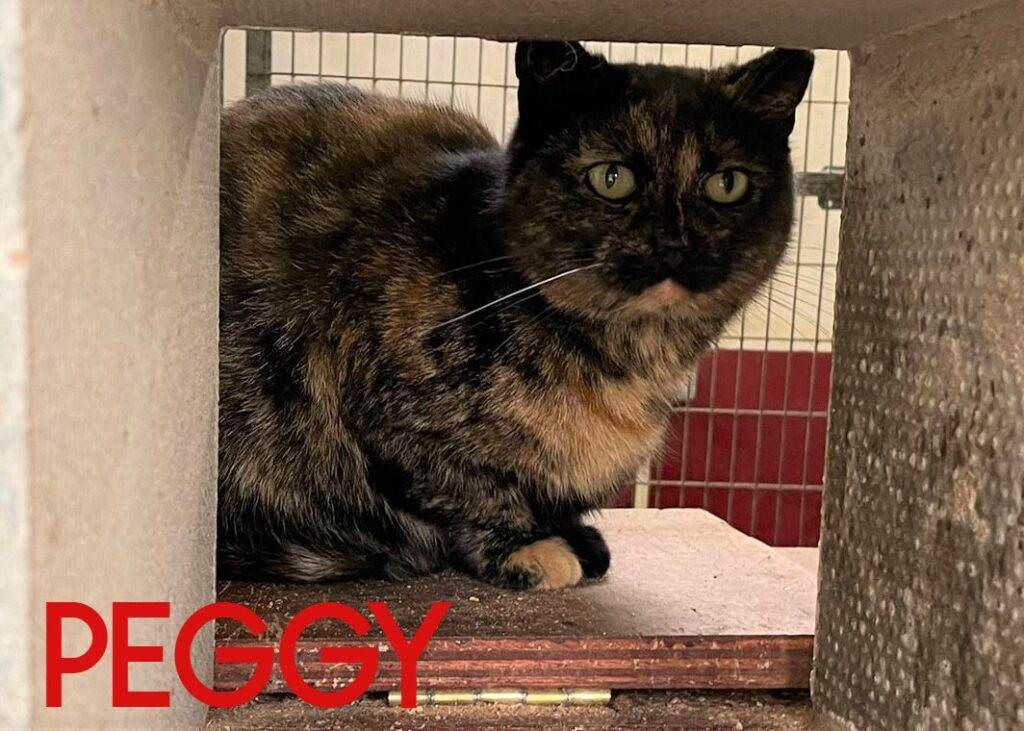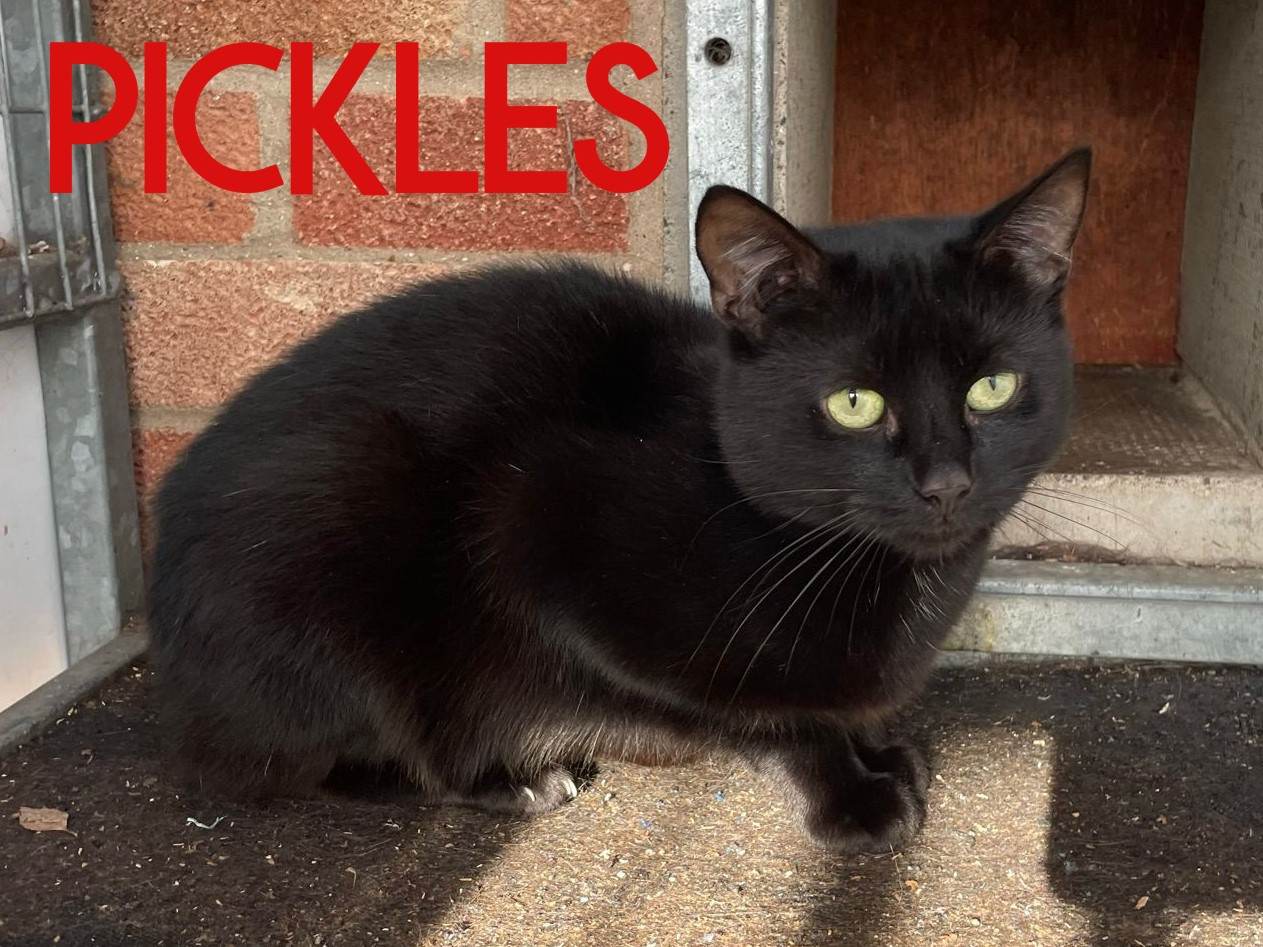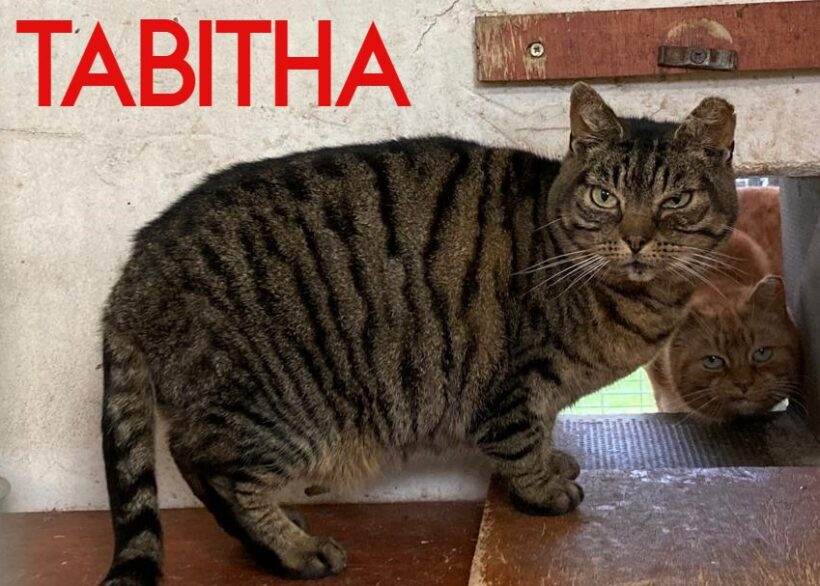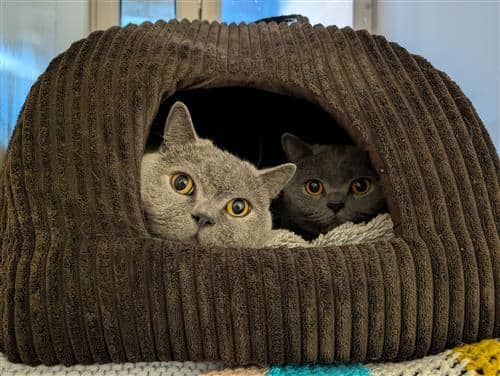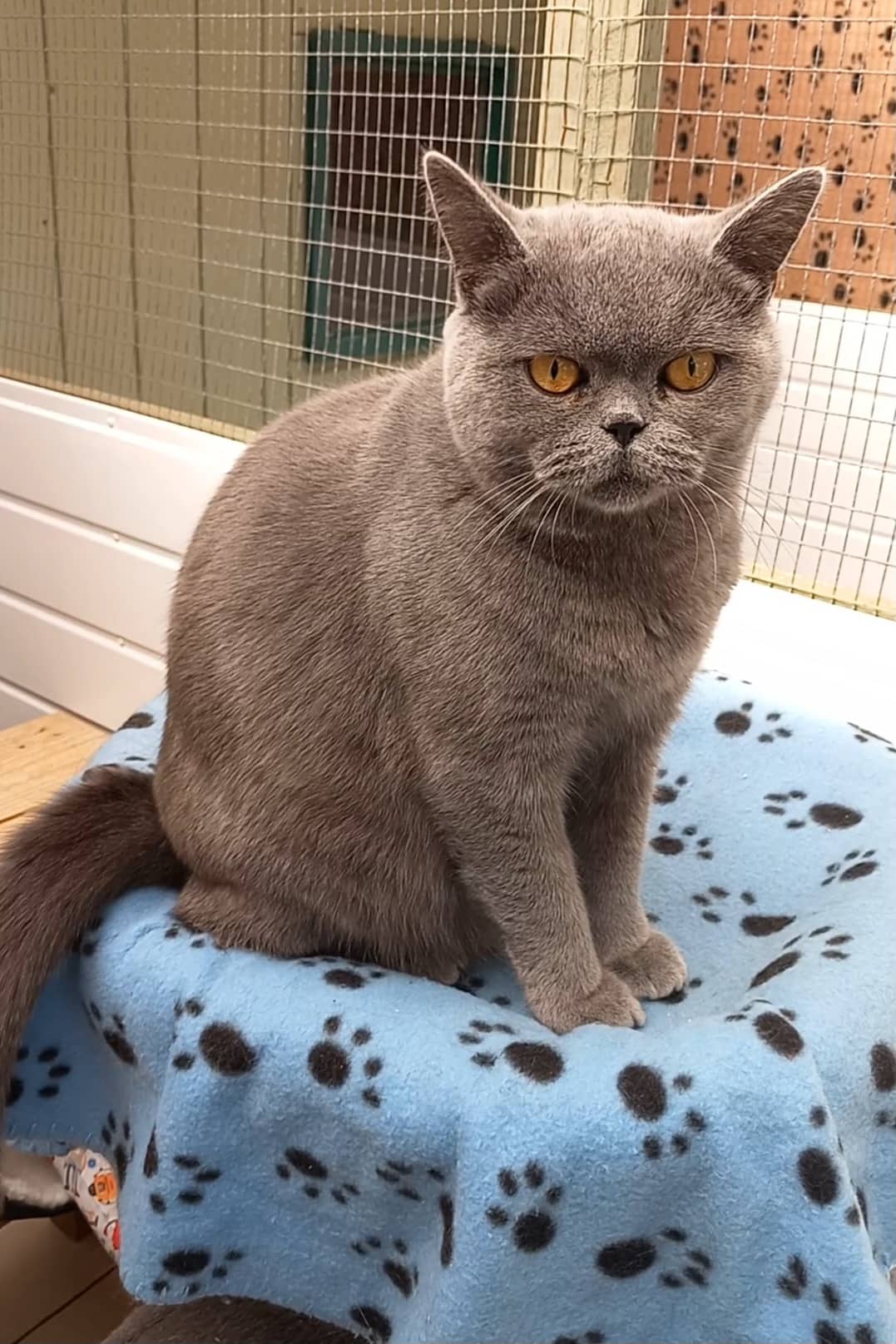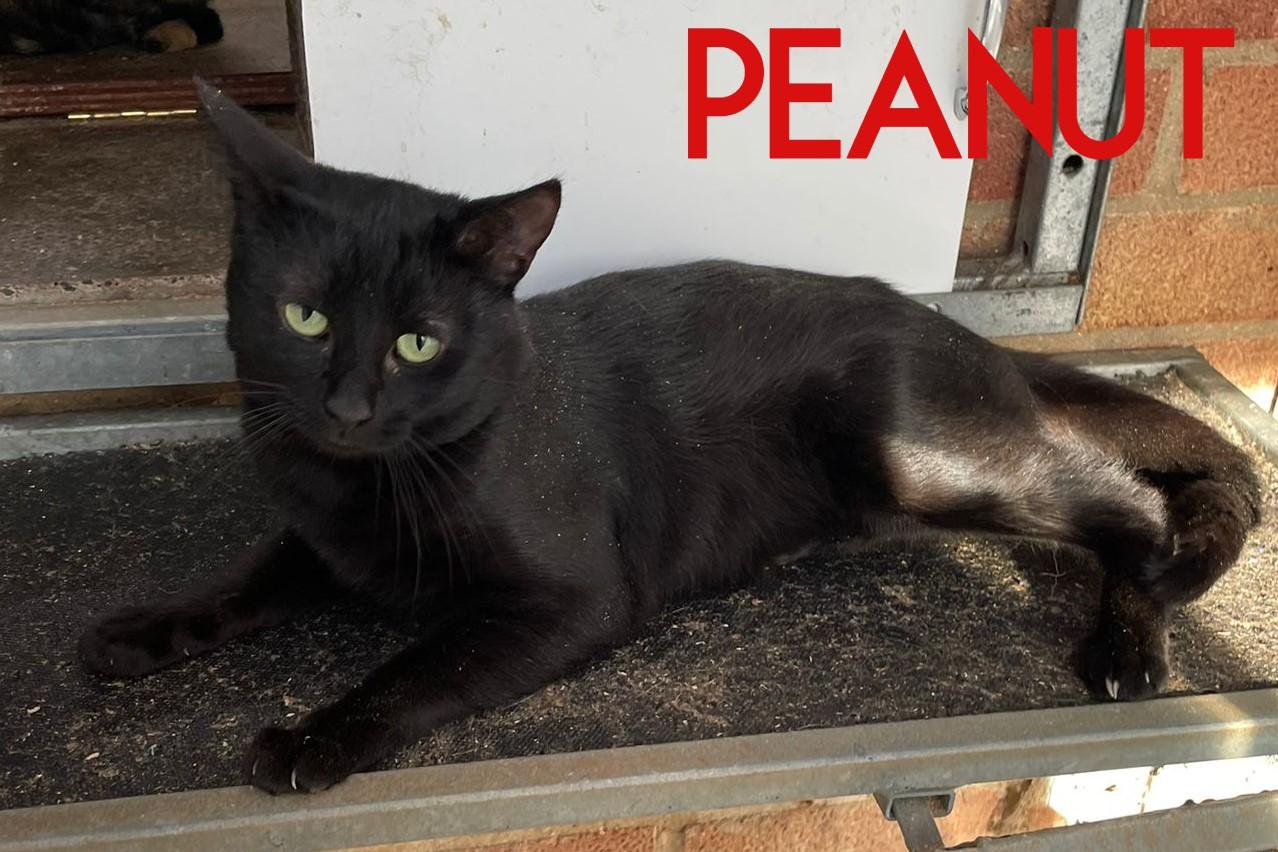
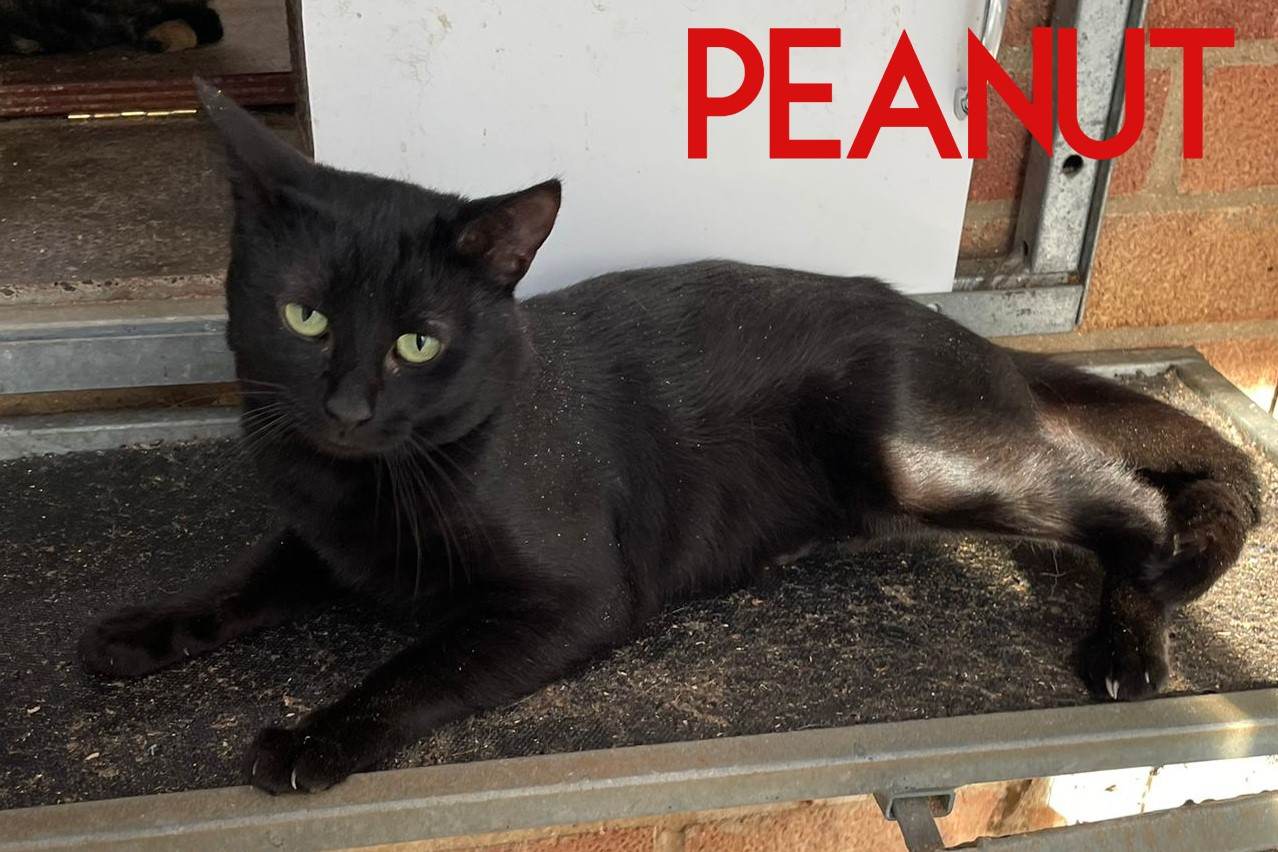
Peanut
1 year • Male • British Shorthair
Three Counties Dog Rescue· Bourne
Meet Peanut →British Shorthairs and British Shorthair crosses looking for new homes with rescues and rehoming centres across the UK.
7 listed across the UK from 4 rescues
Twelve months old or under, listed by rescues and rehoming centres. Each one links to the rescue to apply.
Showing 7 cats
Never miss new British Shorthair cats
Be first to know when new British Shorthair cats are listed across the UK. No spam, unsubscribe any time.
1 year • Male • British Shorthair
1 year • Female • British Shorthair
3 years • Male • British Shorthair
6 years • Female • British Short Hair
3 years • British Shorthair
List your cat for free. Your cat stays at home until you find the right family, every listing is checked by a person, and you choose who adopts. Not sure yet? Read the rehoming guide first.
List your cat for free →7 british shorthair cats are listed across the UK today, with 4 rescues. By age: 2 kittens and 5 adult cats. 3 are male and 3 female. The newest was added on 7 November 2026.
Breed labels on listings are often a best guess from appearance. Read each profile, then ask the rescue about the cat’s history and the home they need.
| GCCF section | British |
|---|---|
| Size | 7 to 17 lb (males 4.1 to 7.7 kg, females 3.2 to 5.4 kg) |
| Coat | Short and dense (the British Longhair is semi-longhaired) |
| Grooming | Shorthair: grooming when moulting. Longhair: daily |
| Lifespan | 14 to 20 years |
| Temperament | Patient, tolerant and a bit lazy |
| Colours | 6 pattern groups, many colours |
| Full maturity | Up to five years |
| Estimated lifetime cost | £15,800 to £20,100 (PDSA, essentials only) |
The Governing Council of the Cat Fancy (GCCF), which registers pedigree cats in the UK, says "half of all kittens registered with the GCCF each year are British Shorthairs, making the British the most popular pedigree cat in the UK." It sums up the breed's temperament as "patient, tolerant and a bit lazy", and calls the British "calm and easygoing". It says the British is not a talkative breed but forms strong bonds with its people.
The GCCF calls the British Blue the "flagship" of the breed, but British Shorthairs come in many colours and patterns. PDSA describes the breed as "fairly relaxed" and "prone to laziness", and says a British Shorthair may not enjoy being picked up but should happily sit on your lap.
A rescue cat is an individual, and a cat listed as a British Shorthair may be a cross. The rescue knows how this cat behaves at home, so ask them.
The GCCF says the British is suitable as an indoor-only cat, but "will need suitable stimulus", and that care is needed to manage any tendency to put on weight, because the breed has a slow metabolism. It also notes the breed likes all four paws on the ground, so an adult may not want to be carried about.
The GCCF says British cats are unlikely to roam far from home, but should be supervised outside because their trusting nature can leave them vulnerable to mishap.
The coat is short and dense; the GCCF says the British has "more fur per square inch than any other breed". It says the coat "will require grooming during the moulting seasons" to remove loose hair, and that an older cat that grooms itself less may need help to stop mats forming. PDSA says a British Shorthair should not need daily brushing outside the moulting season.
The GCCF says PKD (polycystic kidney disease), "once a problem within the breed, is now under control thanks to the common use of available DNA tests" by responsible breeders. It also says "Hypertrophic cardiomyopathy (HCM) can be a problem in the breed", a heart condition for which there is no DNA test yet in the British. PDSA lists the same two conditions.
The GCCF calls the British Shorthair a long-lived cat, with a life expectancy of 14 to 20 years, and says that because of its slow metabolism, owners must be careful not to let its padding turn from muscle to excess fat.
A rescue cat's parents may not have been health tested, so ask the rescue what vet checks the cat has had and whether any condition is known. Your own vet is the right person to advise on anything you notice later.
As of 8 November 2026, 7 British Shorthairs are listed with rescues in the UK on LocalPetFinder: by their listed age, 2 kittens aged 12 months or under and 5 adults.
The rescues mark 1 as able to live with children and 1 with other cats. Where a profile says nothing, it doesn't mean no: ask the rescue.
The GCCF describes the British as a superb family companion that is tolerant of other pets such as dogs and rabbits. PDSA adds that British Shorthairs are "not so happy to share the house with other cats unless they have grown up with them". Whether a particular rescue cat can live with children, dogs or other cats depends on the cat, so go by the rescue's own assessment, which is often noted on the profile.
The GCCF says English Shorthair cats, the forerunner of the British Shorthair, were shown at the very first UK cat show, at the Crystal Palace in London on 13 July 1871. It traces the breed back to the everyday non-pedigree shorthair, and says the artist Harrison Weir, sometimes called the "Father of the Cat Fancy", developed it into a cat of distinct type.
After the Second World War breeders outcrossed to other breeds, including Persians, which brought in the longhair gene. The GCCF recognised the name "British Longhair" on 15 February 2017 and gave it Championship status in November 2021. The GCCF says longhair kittens still appear occasionally in British Shorthair litters.
Sources (checked 30 September 2026)
Breed descriptions are general. Every rescue animal is an individual, so the rescue's own assessment of the animal comes first.
Tap a question to expand
As of 8 November 2026, 7 British Shorthairs are listed for adoption in the UK on LocalPetFinder, from Three Counties Dog Rescue, Raystede Centre for Animal Welfare, StraySafe Rescue and TAG Pet Rescue. Each profile links to the rescue, and you apply to adopt with them directly.
As of 8 November 2026, Three Counties Dog Rescue (at Bourne): 4, Raystede Centre for Animal Welfare (at Ringmer): 1, StraySafe Rescue (at Greater Manchester): 1 and TAG Pet Rescue (at Margate): 1. By age, that is 2 kittens and 5 adult cats. The newest was added on 7 November 2026. Each profile links to the rescue, which handles the adoption.
With the rescue that has the cat. Today the British Shorthairs on this page are with Three Counties Dog Rescue (4), Raystede Centre for Animal Welfare (1), StraySafe Rescue (1) and TAG Pet Rescue (1). Open a profile and apply to that rescue: each one runs its own application, home check and adoption fee. We don't rehome animals ourselves.
Not usually. The GCCF says the short, dense coat needs grooming during the moulting seasons to remove loose hair, and PDSA says it should not need daily brushing outside them. An older cat may need more help to stop mats forming. The British Longhair needs daily grooming.
Yes. The British Blue is the blue-coated British Shorthair, which the GCCF calls the "flagship" of the breed. British Shorthairs also come in many other colours and patterns, including tabby, tortoiseshell, colourpointed and tipped.
Yes, according to the GCCF, which says the British is suitable as an indoor-only cat but needs suitable stimulus and care to stop it putting on weight. International Cat Care says indoor cats are more likely to become overweight and need climbing space and daily play. Ask the rescue how this cat has lived so far.
Often not. The GCCF says the British prefers to have all four paws on the ground and may not wish to be carried about as an adult, and PDSA says they may not enjoy being picked up but should happily sit on your lap.
It depends on the cat. PDSA says British Shorthairs can be tolerant of dogs and rabbits but are not so happy sharing a house with other cats unless they have grown up with them. The rescue's notes on this cat are the best guide.
The GCCF calls the British Shorthair a long-lived cat, with a life expectancy of 14 to 20 years. It also says the breed takes up to five years to reach full physical maturity.
The GCCF says PKD is now under control thanks to DNA testing by responsible breeders, but HCM, a heart condition, can be a problem and has no DNA test in the breed. It also says to watch their weight, as the breed has a slow metabolism. Ask the rescue what vet checks this cat has had.
We only list cats with rescues, so there is nothing to buy here: every British Shorthair on this page is adopted for the rescue's fee. If you decide to buy a kitten, Cats Protection names the British Shorthair as a pedigree to research first, and suggests a breeder registered with a breed association such as the GCCF, which provides certificates of a cat's pedigree and parentage. It warns against sellers who offer to post the certificate after you have paid. With an adult rescue cat, the rescue can tell you about its personality and vet history.
It depends on the cat, not the breed. Most of the 7 British Shorthairs listed in the UK today don't say either way, so ask the rescue. Where a profile says nothing, ask the rescue what age of children the cat could live with.
Each rescue sets its own adoption fee. Battersea charges £100 for a cat over six months and £130 for a kitten, Cats Protection says you can expect to pay £80 to £120 on average for an adult cat and £100 to £120 for a kitten, varying between its branches, and Blue Cross fees start from £150 for cats aged 4 months to 7 years. The fee usually covers neutering, microchipping and first vaccinations, and each rescue confirms its own fee.
No. We don't list animals for sale. Every British Shorthair on this page is with a rescue or rehoming centre. Rescues rehome animals rather than selling them, usually for an adoption fee: for example, Battersea charges £100 for a cat over six months and £130 for a kitten. The fee usually goes towards vet work already done, such as neutering, microchipping and first vaccinations. If you searched "british shorthair kittens for sale", the British Shorthairs here are the rescue route: you apply to the rescue and pay its adoption fee, not a sale price.
Usually not. UK rescues normally ask for an adoption fee, which pays towards neutering, microchipping and vaccinations. At the large cat charities, fees for one cat are under £200: Battersea charges £100 for a cat over six months and £130 for a kitten, and Cats Protection says £80 to £120 on average for an adult cat. An animal offered "free to a good home" is usually a private advert rather than a rescue.
Yes: 2 kittens of the 7 listed in the UK are 12 months or under by their listed age.
Not right now: none of the 7 listed in the UK is aged 10 or over by its listed age. Older British Shorthairs do come into rescue, so check back. Some rescues charge less for older cats: Blue Cross fees start from £100 for cats aged 8 or over.
This page lists every British Shorthair with the rescues we list across the UK, each with its town. For a city, see British Shorthairs in Belfast, Birmingham, Bournemouth, Christchurch and Poole, Brighton and Hove, Bristol, Canterbury, Cardiff, Carlisle, Dumfries and Galloway, Edinburgh, Exeter, Glasgow, Ipswich, Kendal, Kingston upon Hull, Leeds, Lincoln, Liverpool, London, Manchester, Middlesbrough, Newcastle upon Tyne, Northampton, Norwich, Nottingham, Oxford, Peterborough, Plymouth, Portsmouth, Preston, Sheffield, Stoke-on-Trent, Swansea, Truro and Worcester. You can also search by postcode with the pet finder on our home page to see what is closest to you.
Need to rehome your British Shorthair? Read our British Shorthair rehoming guide →