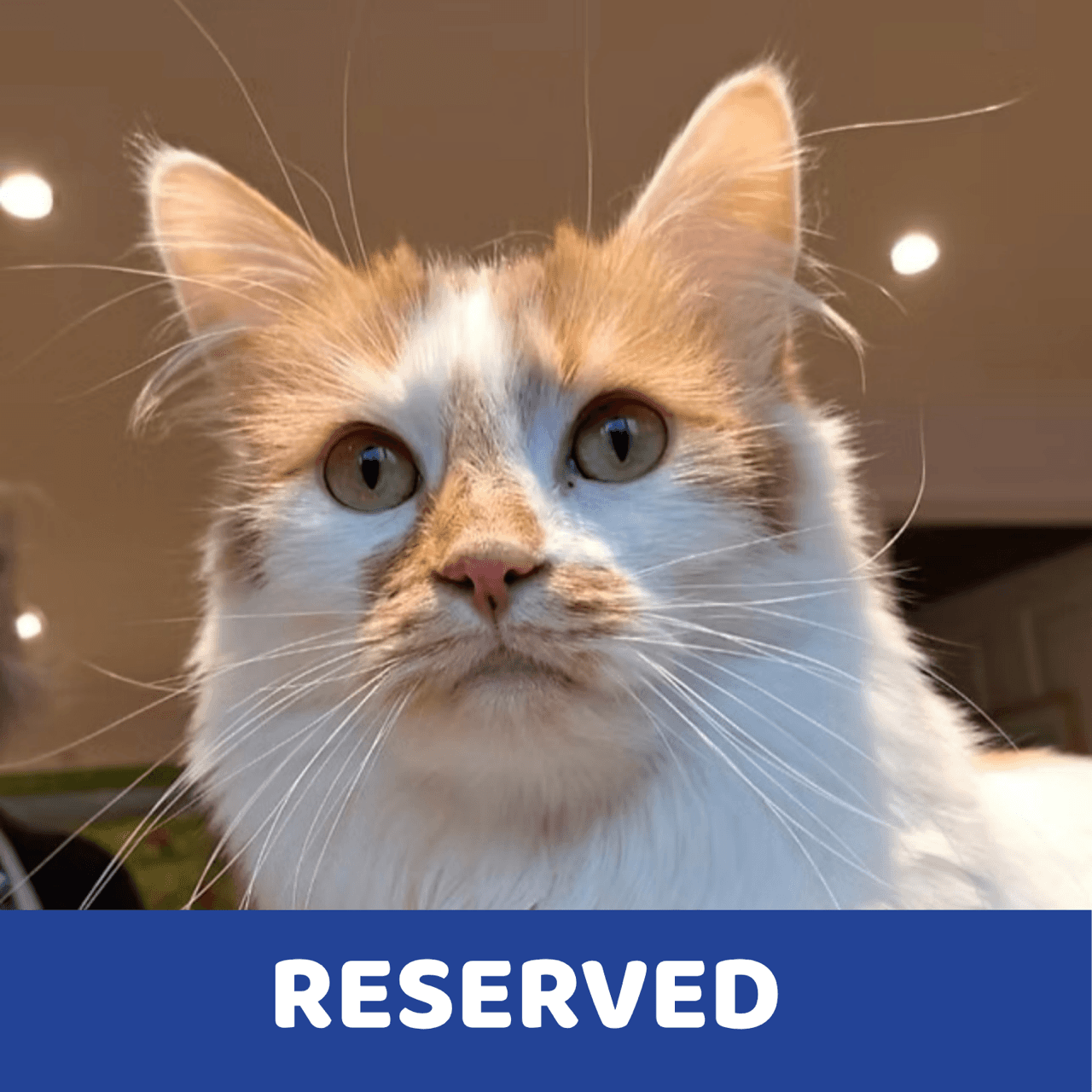
Jude
4 years • Male • Persian X
Can live with:ChildrenOther cats
Last Chance Animal Rescue· New Romney
Meet Jude →Persians and Persian crosses looking for new homes with rescues and rehoming centres across the UK.
3 listed across the UK from 3 rescues
Showing 3 cats
Never miss new Persian cats
Be first to know when new Persian cats are listed across the UK. No spam, unsubscribe any time.
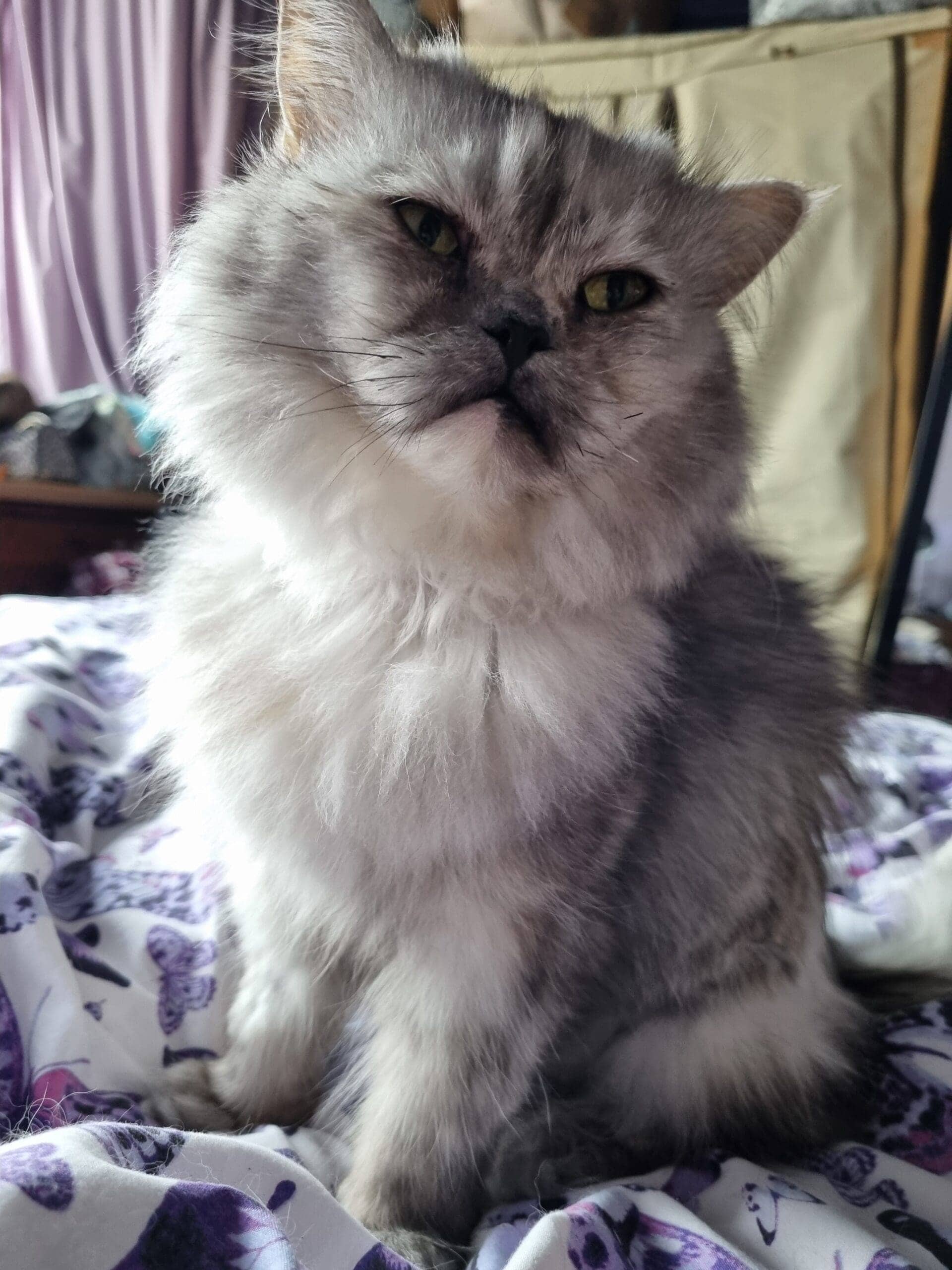
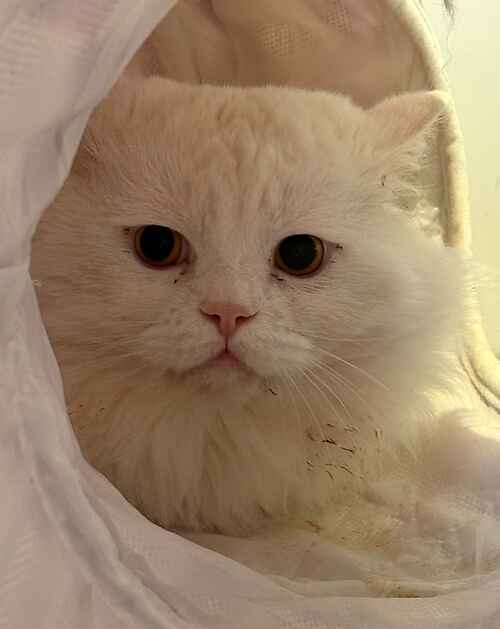
4 years • Male • Persian X
5 years • Male • Ragdoll/Persian Cross
5 years • Female • Persian
List your cat for free. Your cat stays at home until you find the right family, every listing is checked by a person, and you choose who adopts. Not sure yet? Read the rehoming guide first.
List your cat for free →3 persian cats are listed across the UK today, with 3 rescues. 2 are male and 1 female. The newest was added on 5 November 2026.
Breed labels on listings are often a best guess from appearance. Read each profile, then ask the rescue about the cat’s history and the home they need.
| GCCF section | Persian |
|---|---|
| Size | 6 to 12 lb for females; males more than 12 lb |
| Coat | Long, thick and fine |
| Grooming | High maintenance, daily grooming |
| Lifespan | 14 to 16 years |
| Temperament | Sweet and gentle |
| Colours | Many colours in five pattern groups |
| Estimated lifetime cost | £13,600 to £16,900 (PDSA, essentials only) |
The Persian has a long, flowing coat and a short, flat face. The Governing Council of the Cat Fancy (GCCF), which registers pedigree cats in the UK, describes its temperament as "sweet & gentle", and says it is the sixth most popular breed in the UK. It says Persians are creatures of habit that prefer a calm home and gentle handling, have quiet voices, and will not demand your undivided attention.
PDSA says Persians are not usually highly active, may have occasional bursts of energy, and are more likely to be found curled up in a favourite spot than climbing over furniture.
A rescue cat is an individual, and a cat listed as a Persian may be a cross. The rescue knows how this cat behaves at home, so ask them.
The GCCF says Persians like the security of the ground and are unlikely to leap onto high shelves, though they will happily play with a toy or teaser. It describes them as comfortable in their own homes whether you are there or not.
This is the big commitment. The GCCF rates the Persian "high maintenance, daily grooming". It says the coat needs daily combing with a metal comb to stop tangles turning into mats and to remove loose hair that could cause hairballs, and that the eyes should be wiped daily. Five or ten minutes of careful combing a day is its guide, with an occasional bath.
International Cat Care says many Persians cannot keep their coat free of mats on their own, and that the corners of the eyes, the sides of the nose and the area under the tail need regular cleaning.
The GCCF says the flat face "may make individuals prone to breathing difficulties, skin and eye problems." International Cat Care says "brachycephalic obstructive airway syndrome (BOAS) is common in these cats"; BOAS means breathing problems caused by a short face. It adds that a very flat face can cause runny eyes, eye disease, misaligned teeth and skin-fold infections, and that hip dysplasia is seen more commonly in Persians than in many other breeds.
The GCCF says Persians can carry a gene for polycystic kidney disease (PKD), which was found in more than a third of Persian and Exotic Shorthair cats in the 1990s, and has required PKD testing of breeding cats since 1 January 2016. It says progressive retinal atrophy (PRA), an eye disease, is also present in the breed, and has a DNA test. PDSA also lists HCM (a heart condition), skin problems including ringworm, which "can be transmitted to people", and FIP, which it says Persians are more likely to develop than non-pedigree cats.
International Cat Care recommends vet check-ups at least once a year for Persians. A rescue cat's parents may not have been health tested, so ask the rescue what vet checks the cat has had, how it breathes, and whether its eyes or teeth need ongoing care. Your own vet is the right person to advise on anything you notice later.
As of 8 November 2026, 3 Persian cats are listed with rescues in the UK on LocalPetFinder: by their listed age, 3 adults.
2 of them are listed as a cross, as the rescue describes it: Persian x and Ragdoll/Persian Cross. Breed labels on rescue listings are often a best guess from looks.
The rescues mark 1 as able to live with children and 1 with other cats. Where a profile says nothing, it doesn't mean no: ask the rescue.
The GCCF says Persians are happy to be combed and petted by children but are unlikely to join in boisterous games, and that they make excellent family pets. Whether a particular rescue cat can live with children, dogs or other cats depends on the cat, so go by the rescue's own assessment, which is often noted on the profile.
International Cat Care says the Persian is bred to have a relatively flat face (brachycephaly), which "when severe, can lead to multiple health problems": narrow nostrils and a long soft palate that make breathing hard, short tear ducts that cause constant runny eyes and tear staining, and teeth that do not line up. The GCCF says conscientious breeders are aware of this and breed to avoid these problems.
Cats Protection advises giving more thought before buying a pedigree cat with exaggerated features such as a flattened face, which it says can cause pain and suffering and lead to expensive vet bills. If you adopt a Persian, ask the rescue how flat its face is, whether it snores or breathes noisily, and how often its eyes need cleaning.
Sources (checked 30 September 2026)
Breed descriptions are general. Every rescue animal is an individual, so the rescue's own assessment of the animal comes first.
Tap a question to expand
As of 8 November 2026, 3 Persian cats are listed for adoption in the UK on LocalPetFinder, from Freshfields Animal Rescue, Holbrook Animal Rescue and Last Chance Animal Rescue. Each profile links to the rescue, and you apply to adopt with them directly.
As of 8 November 2026, Freshfields Animal Rescue (at Ince Blundell): 1, Holbrook Animal Rescue (at Horsham): 1 and Last Chance Animal Rescue (at New Romney): 1. The newest was added on 5 November 2026. Each profile links to the rescue, which handles the adoption.
With the rescue that has the cat. Today the Persian cats on this page are with Freshfields Animal Rescue (1), Holbrook Animal Rescue (1) and Last Chance Animal Rescue (1). Open a profile and apply to that rescue: each one runs its own application, home check and adoption fee. We don't rehome animals ourselves.
Daily. The GCCF rates Persians high maintenance and says the coat needs daily combing with a metal comb to prevent mats, plus a daily wipe of the eyes. Ask the rescue how this cat's coat has been kept and how it copes with being groomed.
Many do. International Cat Care says brachycephalic obstructive airway syndrome (BOAS), breathing difficulty caused by the flat face, is common in Persians, and PDSA says many get short of breath quickly. Ask the rescue how this cat breathes, at rest and when it plays.
Because of the face shape. International Cat Care says flat-faced cats often have short, deformed tear ducts, so tears cannot drain properly and run down the face, which can cause staining and sores. The GCCF says a Persian's eyes should be wiped daily.
Not very. PDSA says Persians are not usually highly active and may have occasional bursts of energy, and the GCCF says they like the security of the ground but will happily play with a toy.
The GCCF gives a lifespan of 14 to 16 years, and says a Persian usually lives 15 years or more.
Polycystic kidney disease, an inherited condition in which cysts grow in the kidneys and can lead to kidney failure. The GCCF says it was found in more than a third of Persian and Exotic Shorthair cats in the 1990s, and has required breeding Persians to be PKD tested since 1 January 2016. Ask the rescue whether this cat has had any kidney checks.
We only list cats with rescues, so there is nothing to buy here: every Persian on this page is adopted for the rescue's fee. If you decide to buy, Cats Protection advises extra thought before buying a cat with a flattened face, and International Cat Care says to ask the breeder for proof that the parents tested negative for PKD (in the UK, the queen's PKD certificate). International Cat Care also says owners of flat-faced breeds must be able to clean the eyes and face regularly.
It depends on the cat, not the breed. Today the rescues mark 1 of the 3 Persian cats listed in the UK as able to live with children. Where a profile says nothing, ask the rescue what age of children the cat could live with.
Each rescue sets its own adoption fee. Battersea charges £100 for a cat over six months and £130 for a kitten, Cats Protection says you can expect to pay £80 to £120 on average for an adult cat and £100 to £120 for a kitten, varying between its branches, and Blue Cross fees start from £150 for cats aged 4 months to 7 years. The fee usually covers neutering, microchipping and first vaccinations, and each rescue confirms its own fee.
No. We don't list animals for sale. Every Persian on this page is with a rescue or rehoming centre. Rescues rehome animals rather than selling them, usually for an adoption fee: for example, Battersea charges £100 for a cat over six months and £130 for a kitten. The fee usually goes towards vet work already done, such as neutering, microchipping and first vaccinations. If you searched "persian kittens for sale", the Persian cats here are the rescue route: you apply to the rescue and pay its adoption fee, not a sale price.
Usually not. UK rescues normally ask for an adoption fee, which pays towards neutering, microchipping and vaccinations. At the large cat charities, fees for one cat are under £200: Battersea charges £100 for a cat over six months and £130 for a kitten, and Cats Protection says £80 to £120 on average for an adult cat. An animal offered "free to a good home" is usually a private advert rather than a rescue.
Not right now: none of the 3 listed in the UK is under a year old by its listed age. Kittens do get listed, so check back or look at the adults, whose rescues can tell you much more about their character.
Not right now: none of the 3 listed in the UK is aged 10 or over by its listed age. Older Persian cats do come into rescue, so check back. Some rescues charge less for older cats: Blue Cross fees start from £100 for cats aged 8 or over.
This page lists every Persian with the rescues we list across the UK, each with its town. For a city, see Persian cats in Belfast, Birmingham, Bournemouth, Christchurch and Poole, Brighton and Hove, Bristol, Canterbury, Cardiff, Carlisle, Dumfries and Galloway, Edinburgh, Exeter, Glasgow, Ipswich, Kendal, Kingston upon Hull, Leeds, Lincoln, Liverpool, London, Manchester, Middlesbrough, Newcastle upon Tyne, Northampton, Norwich, Nottingham, Oxford, Peterborough, Plymouth, Portsmouth, Preston, Sheffield, Stoke-on-Trent, Swansea, Truro and Worcester. You can also search by postcode with the pet finder on our home page to see what is closest to you.
Need to rehome your Persian? Read our Persian rehoming guide →