
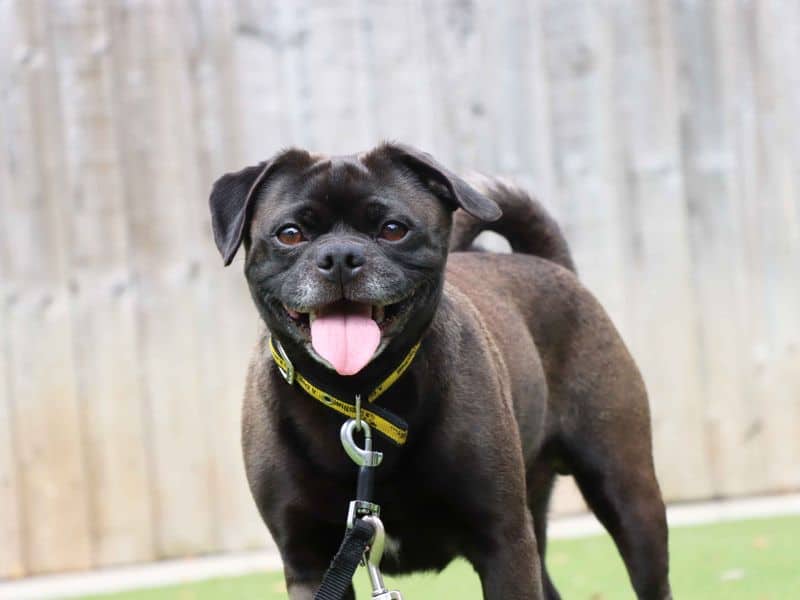
 NEW
NEWBosley
3 years · Male · Pug Cross
Smalllow energy
Can live with: Children
Dogs Trust · Sadberge
Meet Bosley →There are 5 Pugs looking for a new home in England right now, listed by Dogs Trust and Woodgreen Pets Charity. Includes Pug crosses.
By listed age: 3 adults and 2 older dogs. By size, as the rescues list them: 3 small and 2 medium.
Each profile links to the rescue, who will talk you through their adoption process and fee.
5 dogs looking for a home
NEW3 years · Male · Pug Cross
Can live with: Children
Dogs Trust · Sadberge
Meet Bosley →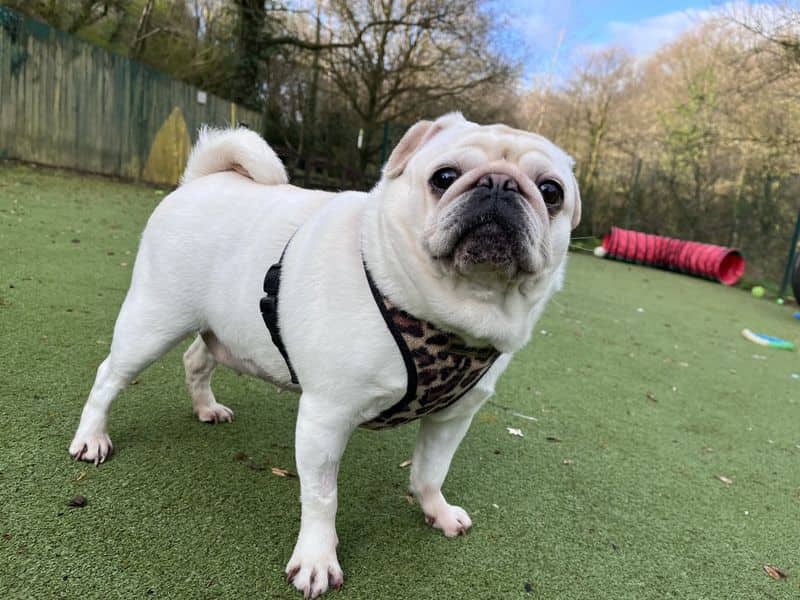 NEW
NEW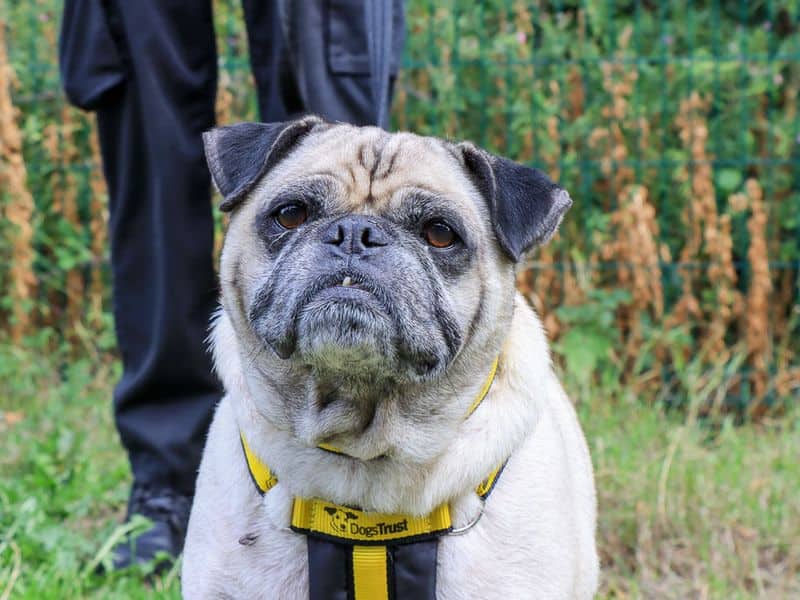 NEW
NEW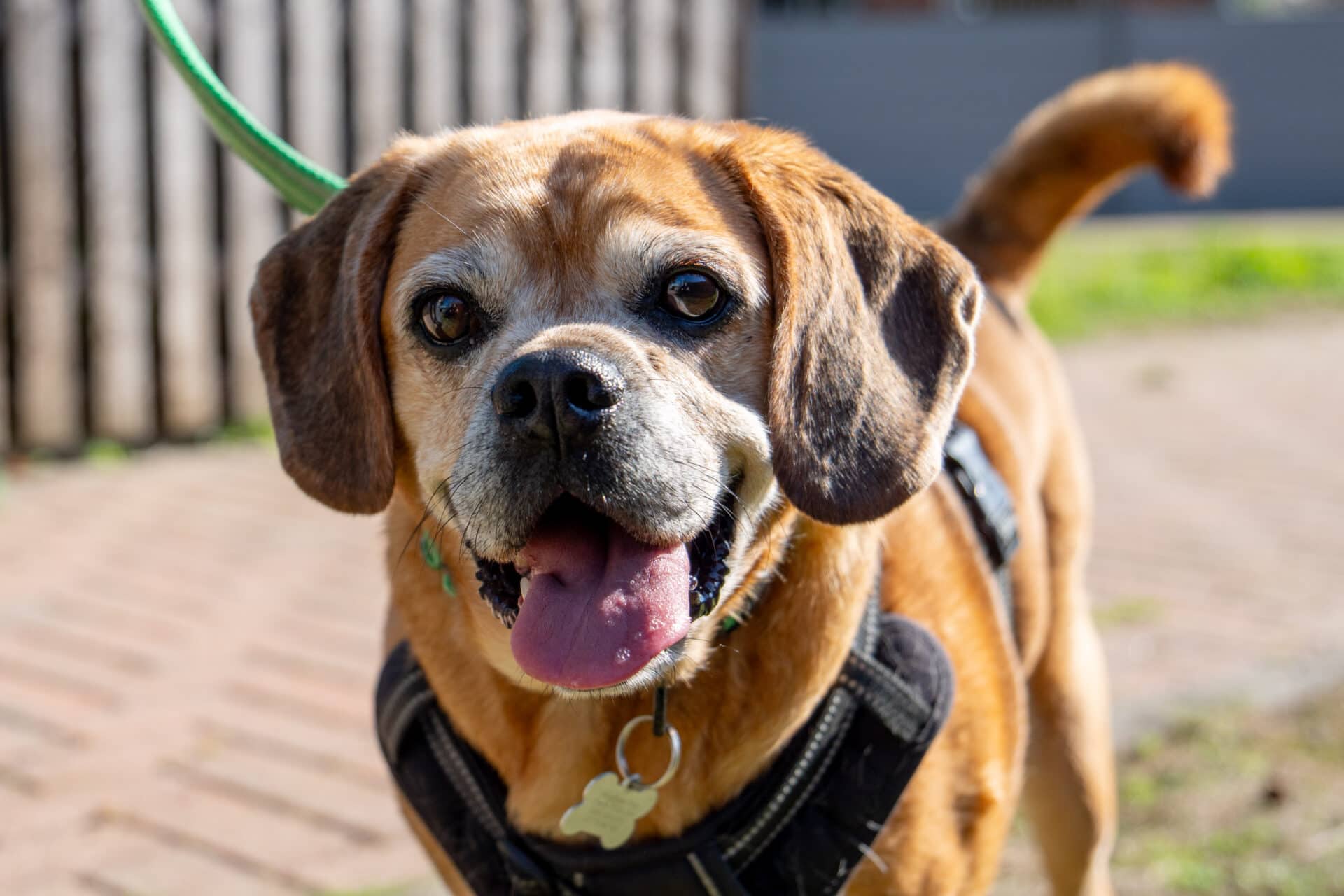 NEW
NEW10 years and 4 months · Female · Puggle
Woodgreen Pets Charity · Godmanchester
Meet Maddie →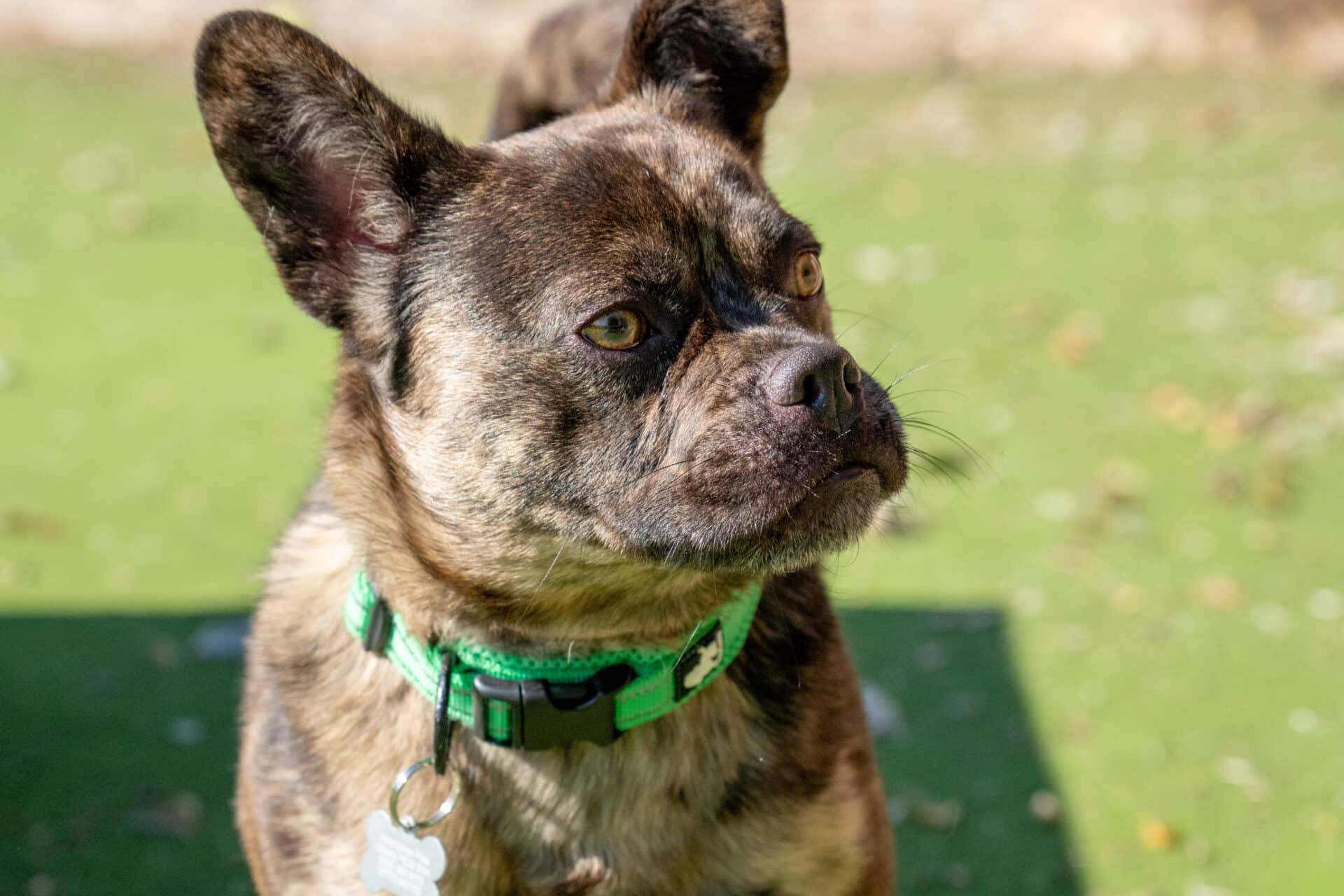 NEW
NEW1 year and 11 months · Male · French Bulldog Cross Pug
Can live with: Children
Woodgreen Pets Charity · Godmanchester
Meet Mischa →Email alerts are coming soon. Until then, new animals appear on this page as soon as rescues list them, so please check back.
| Breed group | Toy |
|---|---|
| Size | Small |
| Exercise | Up to 1 hour a day |
| Grooming | Once a week |
| Coat | Short (sheds) |
| Lifespan | Over 10 years |
The Pug is a companion dog. The Royal Kennel Club describes it as "a lot of dog in a small frame", and says Pugs "are affectionate, sociable dogs that thrive on human company and were bred purely as companions, not for work". It adds that they dislike being left alone for long periods and "can be prone to separation anxiety", so they suit owners who are home for a good part of the day.
That is the breed on paper. A rescue Pug is an individual, may be a cross, and may be older. The rescue will know how this particular dog behaves at home, on the lead and with visitors, so ask them.
The Royal Kennel Club lists the Pug as small and needing up to an hour of exercise a day, with regular short walks and play. It says the breed can live in a flat, with a small or medium garden, in town or country. It also says the Pug's flat face "limits their tolerance for heat, humidity, and strenuous activity", so exercise should be kept gentle in warm weather.
The coat is short and sheds. The Royal Kennel Club says it needs grooming about once a week.
The Royal Kennel Club asks Pug breeders to have their dogs' breathing graded for BOAS (brachycephalic obstructive airway syndrome) and their eyes tested. Its best practice list adds a DNA test for Pug dog encephalitis (PDE) and hip scoring. It notes the breed has a breed club health scheme and can be affected by conformational concerns (problems linked to body shape). It lists the lifespan as over 10 years.
A rescue dog's parents were rarely health tested, so ask the rescue what vet checks the dog has had and whether any condition is known. Your own vet is the right person to advise on anything you notice later.
The Royal Kennel Club says Pugs are typically "good with children when interactions are supervised". Whether a particular rescue Pug can live with children, cats or other dogs still depends on the dog, so go by the rescue's own assessment, which is often noted on the profile.
Sources (checked 29 September 2026)
Breed descriptions are general. Every rescue animal is an individual, so the rescue's own assessment of the animal comes first.
As of 30 September 2026, 5 Pugs are listed for adoption in England on LocalPetFinder, from Dogs Trust and Woodgreen Pets Charity. Each profile links to the rescue, and you apply to adopt with them directly.
Not right now: none of the 5 listed in England is under a year old by its listed age. Puppies do get listed, so check back or look at the adults, whose rescues can tell you much more about their character.
Breathing is a recognised concern in the breed. The Royal Kennel Club asks Pug breeders to have their dogs' breathing graded for BOAS (brachycephalic obstructive airway syndrome), and says the flat face limits a Pug's tolerance for heat and hard exercise. Ask the rescue what vet checks this dog has had.
Not for long. The Royal Kennel Club says Pugs dislike being left alone for long periods and can be prone to separation anxiety. Ask the rescue how this dog copes on its own.
Each rescue sets its own adoption fee. Battersea charges £230 for a dog over six months and £275 for a puppy under six months, Dogs Trust charges £300 for a puppy or adult dog in England, Wales and Scotland, and Blue Cross fees start from £235 for dogs aged 8 or over and £335 for dogs aged 1 to 7. The fee usually covers neutering, microchipping and first vaccinations, and each rescue confirms its own fee.
No. We don't list animals for sale. Every Pug on this page is with a rescue or rehoming centre, and rescues rehome animals for an adoption fee rather than selling them: for example, Battersea charges £230 for an adult dog and Dogs Trust £300. The fee goes towards the vet work already done, such as neutering, microchipping and first vaccinations. In England, Lucy's Law has meant since 6 April 2020 that puppies under six months can't be sold by a third party such as a pet shop or dealer: you buy direct from the breeder or adopt from a rehoming centre.
Usually not. UK rescues normally ask for an adoption fee, which pays towards neutering, microchipping and vaccinations. Many rescue fees are under £500: Battersea charges £230 for a dog over six months, Dogs Trust £300, and Blue Cross from £235 for dogs aged 8 or over. An animal offered "free to good home" is a private advert, not a rescue. All dogs in the UK must be microchipped by 8 weeks old, and in England, Wales and Scotland a dog can't pass to a new keeper until it is chipped, so ask to see the microchip details.
This page lists every Pug with the rescues we list in England and the places within it. Email alerts for new listings are coming soon.
By breed
See all 369 dogs in England → · Pugs across the UK →
Pugs in other cities: Birmingham, Glasgow, Leeds, London, Manchester
For rescues and rehoming centres
Every animal links back to your own adoption page, and you can ask to be removed at any time.